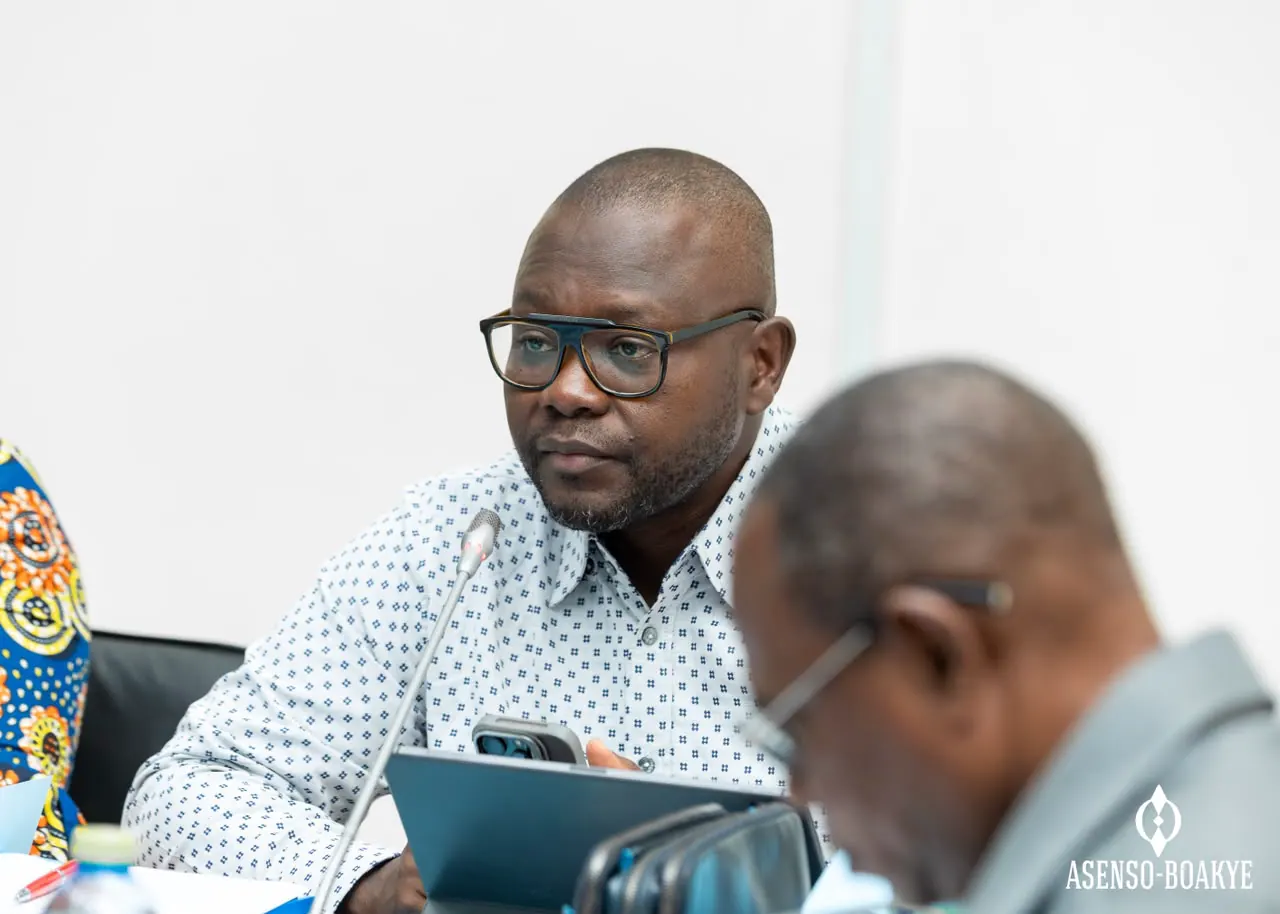
Ghana's Ranking Member of Parliament’s Committee on Local Government and Decentralisation, Francis Asenso-Boakye, has called on Metropolitan, Municipal and District Assemblies to take concrete action to end recurring audit infractions. He made the statement on October 5, 2026, at the opening of public hearings by Parliament’s Local Government, Decentralisation and Religious Affairs Committee. The hearings examined financial infractions in the 2025 Auditor-General’s Report involving the Greater Accra Regional Coordinating Council and various MMDAs.
Asenso-Boakye emphasized that identifying financial breaches year after year without addressing underlying weaknesses is insufficient. He stressed that the effectiveness of Ghana’s public audit system must be measured by implementing audit recommendations, correcting weaknesses, and strengthening internal controls. This approach aims to ensure that public resources are managed responsibly and used for their intended purposes.
The public hearings, chaired by Queenster Pokuah Sawyerr, focused on irregularities arising from the implementation of development projects by the assemblies during the period under review. The Committee examined financial infractions contained in the 2025 Auditor-General’s Report. Asenso-Boakye stated that Parliament’s scrutiny must go beyond identifying infractions to examining why weaknesses persisted and whether recommendations from previous audits had been implemented.
Asenso-Boakye highlighted that the true value of an audit process lies in whether its recommendations lead to improved systems, stronger internal controls, better financial management, and better outcomes for the people. He emphasized that where breaches involve misuse of public funds or disregard for established procedures, appropriate accountability must follow. This approach aims to strengthen local governance systems.
The former Minister of Roads and Highways suggested that Parliament should pursue institutional reforms where recurring challenges are linked to capacity, systemic, or structural weaknesses. He called for frank and constructive engagement between the Committee and officials of the assemblies to identify the causes of recurring irregularities and develop sustainable solutions.
Asenso-Boakye's comments reflect concerns about the annual ritual of identifying the same weaknesses without adequate corrective action. He urged the Committee to push for concrete actions to address these infractions. The two-day hearings provided a platform for stakeholders to discuss the issues and potential solutions.
The ultimate objective, according to Asenso-Boakye, is to strengthen local governance systems, ensuring that public resources are managed responsibly and used for their intended purposes. The Committee's engagement with officials aims to promote accountability and improve financial management in MMDAs.
Key points
- Asenso-Boakye demands concrete action from MMDAs to address recurring audit infractions.
- The effectiveness of Ghana's public audit system must be measured by implementing audit recommendations.
- Parliament should pursue institutional reforms to address capacity, systemic, or structural weaknesses.