The city of Arusha, Tanzania, is set to host the Third Meeting of the Intergovernmental Panel on Climate Change (IPCC) Working Group I from November 2 to 6. This gathering brings together over 300 scientists from 75 countries to discuss pressing climate issues, including El Niño-related rainfall patterns and extreme weather events. The meeting's timing is significant, as El Niño conditions are strengthening, with forecasts predicting average to above-average rainfall in several parts of the world during the current rainy season.
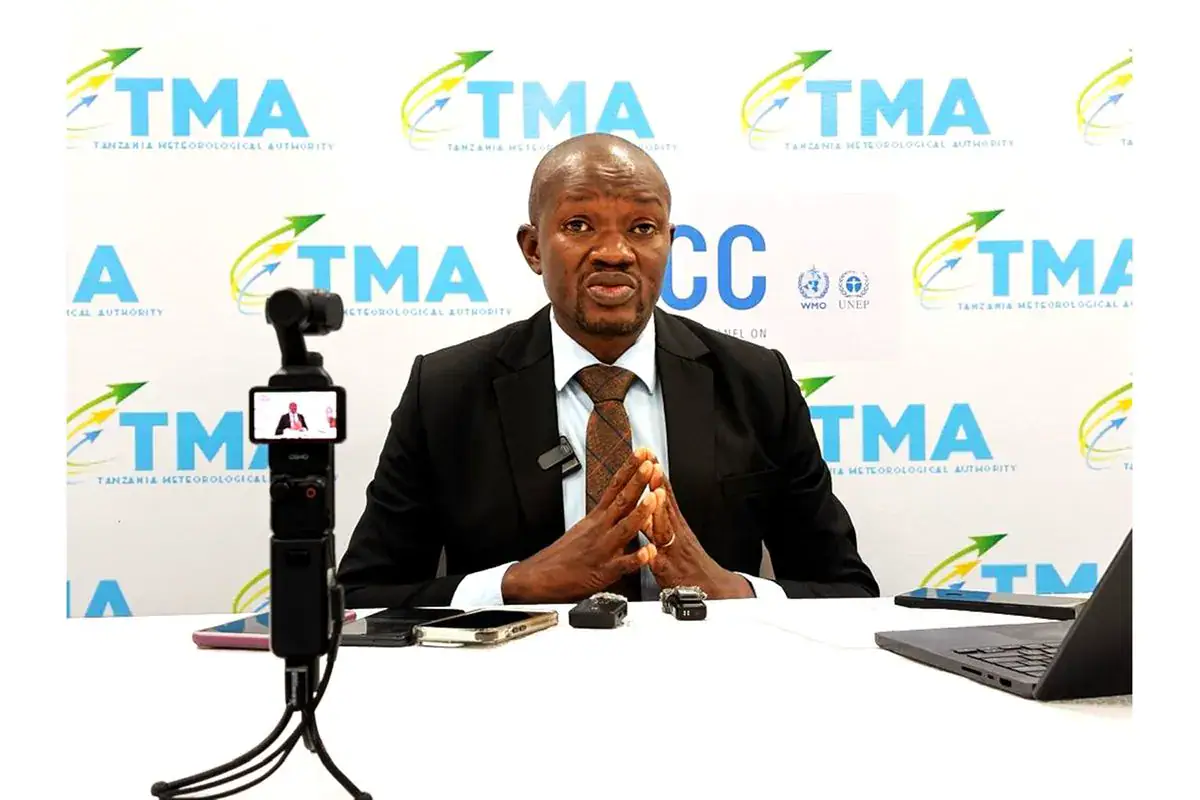
The IPCC meeting is being organized in collaboration with the Tanzania Meteorological Authority (TMA) and will be officially opened by Prime Minister Mwigulu Nchemba. TMA Director-General Ladislaus Changa, who is also an IPCC vice-chair, highlighted the importance of the meeting in assessing climate change evidence, including rising temperatures, changing rainfall patterns, and the increasing occurrence of extreme weather events. The discussions will contribute to the preparation of the IPCC's Seventh Assessment Report (AR7), providing scientific evidence to help governments develop climate policies and strategies.
The meeting's focus on climate change assessment will involve evaluating how climate systems are changing, the extent of global temperature increases, and whether extreme weather events are becoming more frequent and intense. This process is part of the IPCC's broader mandate to provide governments with scientific information on climate change and its implications for various economic and social sectors. The meeting will also offer Tanzanian and African scientists an opportunity to engage with international experts, exchange knowledge, and strengthen their participation in scientific research on climate change.
For Tanzania, hosting this global meeting presents a chance to address specific climate-related concerns. The country is expected to experience varying weather conditions, with El Niño potentially bringing above-average rainfall. This has raised concerns among residents, who hope the meeting will produce findings that improve the reliability of weather forecasts, enabling them to better plan for changing weather conditions. Local resident Judith Kimaro expressed optimism that the meeting's outcomes will have a positive impact on the community.
The IPCC's Seventh Assessment Report (AR7) is expected to play a crucial role in shaping global climate policies. By bringing together leading scientists, the meeting in Arusha aims to provide a comprehensive assessment of climate change, highlighting its causes, impacts, and potential solutions. The report's findings will be instrumental in informing governments and stakeholders about the urgent need for climate action and the importance of implementing effective strategies to mitigate and adapt to climate change.
The meeting in Arusha is a significant event in the global climate calendar, demonstrating the international community's commitment to addressing climate change. With over 300 scientists from diverse backgrounds, the meeting promises to be a platform for knowledge sharing, collaboration, and innovation. As the world grapples with the challenges posed by climate change, the outcomes of this meeting are expected to contribute to a better understanding of the issue and the development of effective solutions.
As the meeting commences, stakeholders are looking forward to the exchange of ideas and expertise among scientists. The event's success will depend on the active participation of all attendees, who will work together to advance the global understanding of climate change. The meeting's legacy is expected to extend beyond Arusha, influencing climate policies and actions globally.
Key points
- Over 300 climate scientists from 75 countries are gathering in Arusha to discuss El Niño-related rainfall patterns and extreme weather events.
- The meeting will contribute to the preparation of the IPCC's Seventh Assessment Report (AR7), providing scientific evidence to help governments develop climate policies and strategies.
- The event offers Tanzanian and African scientists an opportunity to engage with international experts, exchange knowledge, and strengthen their participation in scientific research on climate change.