An artistic collaboration between Makerere University in Uganda and the University of Bergen in Norway is exploring the concept of common ground in everyday life and how art can be used to find solutions to local challenges. The workshop, titled Common Ground: Multidisciplinary Artistic Practice in Public Space, brought together students and lecturers from both institutions to share experiences and creative practices. The program focused on indigenous knowledge, with participants drawing from their local communities to respond to challenges such as environmental conservation, climate change, and identity.
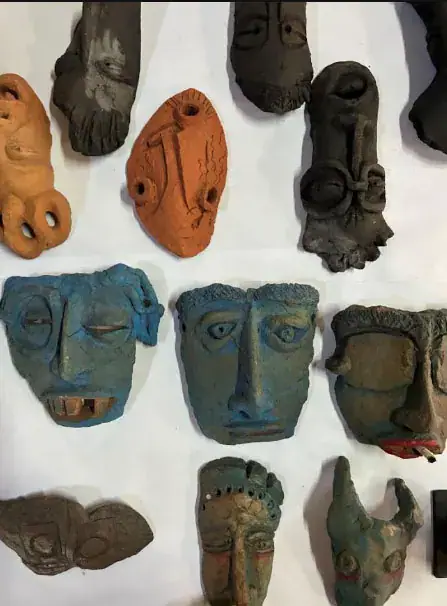
The collaboration identified ceramics and sculpture art as common grounds, rooted in each community's cultural landscape, to address shared challenges. An exchange program was designed for students and teachers to travel to each other's institutions, gaining first-hand experience of the cultural landscape and creating on-site sculptural works. For example, students from Makerere Art School participated in the 2023 Ice Music Festival in Norway, producing ice sculptures that reflected the festival's identity and introduced them to Norwegian culture.
The workshop's approach emphasized practical output over final grades, aligning with Uganda's competence-based curriculum. This hands-on learning experience sparked creativity in students, with one postgraduate student, Joshua Semagganda, noting that his time in Bergen shifted his approach to art. He was eager to apply the knowledge gained and challenge himself outside the lecturer's room.
Prof. Phillip Kwesiga, project coordinator and facilitator, echoed Semagganda's sentiments, emphasizing that learning is a series of experiences gathered from different places. Kwesiga believes that individuals who have experienced life outside their local community are different from those who have not. The workshop's success can be attributed to the commitment and passion for learning through the exchange of ideas and experiences between the two communities.
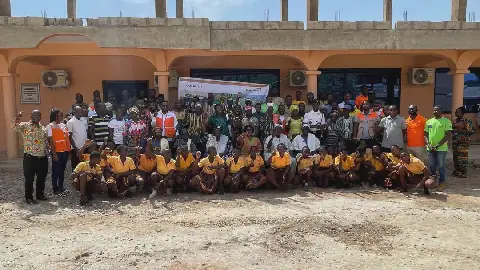
The four-year program, which started in 2022, concluded with a workshop at the Makerere Art Gallery, featuring facilitators from both institutions and some participants. The project's success is also attributed to the collective responsibility each varsity has toward their immediate communities' challenges. The appreciation of common ground between the two countries, despite geographical differences, linked them together to collaboratively work on finding solutions to climate change challenges.
The Common Ground project symbolized what is possible when two communities meet to solve common challenges. Through such encounters, ideas are born, and participants return to their local communities eager to transform them into better places using available resources. As artists exist to solve problems in their immediate communities, this project demonstrated the power of collaboration and exchange in driving positive change.
The project was funded by the Norwegian Directorate for Higher Education and Skills through NORPART. The collaboration between Makerere University and the University of Bergen serves as a testament to the impact of artistic exchange and cooperation in addressing local challenges and promoting mutual understanding between communities.
Key points
- The project demonstrated the power of artistic collaboration in driving positive change and promoting mutual understanding between communities.
Reporting sources
- Common Ground at Makerere and Bergen University · The Independent magazine