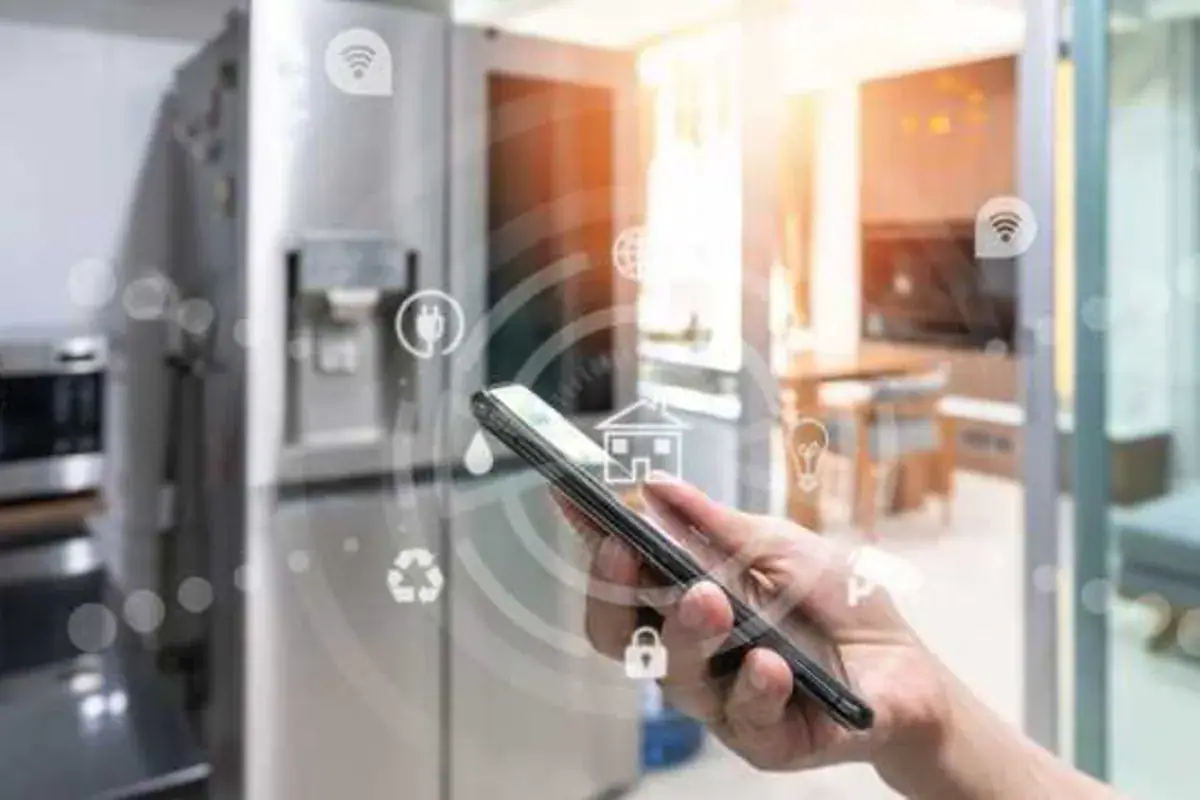
The home appliance industry in Kenya is undergoing a significant transformation with the integration of Artificial Intelligence (AI) and data analytics. Manufacturers are turning conventional machines into devices that learn from users, adapt to changing conditions, and optimize performance over time. This shift aims to make products more responsive to household routines, promising consumers better energy efficiency, improved convenience, and personalized experiences.
Global technology giant LG is at the forefront of this innovation, using deep-learning technology in its washing machines to autonomously learn complex patterns and representations from large amounts of raw data. This technology enables machines to select washing motions based on fabric type and soil level, effectively cleaning clothes while protecting delicate materials. Similarly, AI-enabled dryers adjust drying time and temperature according to the weight, fabric type, and moisture levels of each load.
LG's refrigerator technology can analyze door-opening patterns over three weeks to establish when a household uses the appliance most frequently. It then adjusts the compressor's operation according to those patterns, aiming to maintain food freshness while reducing unnecessary energy consumption. Chaerim Ji, senior public relations manager for LG's Home Appliance Solution business, emphasized that AI is a human-centric technology that helps understand homes better and cater to each customer's lifestyle.
Rival Samsung is also pursuing a similar approach with AI-powered food recognition in refrigerators, developed using Google's Gemini technology. This system combines AI vision with cloud-based intelligence to identify fresh produce and packaged goods in the fridge. It analyzes usage patterns and notifies users when frequently consumed items may need replenishing, making grocery planning easier and potentially reducing food waste.
Other manufacturers, such as GE Appliances, owned by China's Haier, are building connected appliance ecosystems. These ecosystems connect smart appliances with services, including Google Assistant and Google Cloud. Through smartphone apps, users can monitor appliances, adjust settings, and receive alerts, while manufacturers can deliver software upgrades that introduce new functions after a product has been purchased.
Kenya's demand for household appliances has been supported by an expanding middle class and the availability of products through physical retailers and online platforms. The market has attracted global brands, including LG, Samsung, and Germany's Bosch, alongside local players such as Von. Research firm Research Nester estimated Kenya's home appliances market at $184.48 million in 2018 and projected it to reach $363.92 million by the end of 2027.
However, analysts say AI-powered appliances raise questions about privacy and dependence on connected services. Appliances that rely on cloud processing or mobile applications may require stable internet connectivity for some functions, while the collection of household usage patterns creates scrutiny about how such data is stored, used, and protected. Buyers must also contend with security risks, as witnessed in October 2026, when hackers sabotaged refrigeration systems at hundreds of French supermarkets.
Key points
- AI technology is transforming home appliances in Kenya, enabling them to learn from users and optimize performance.
- The integration of AI and data analytics aims to make products more responsive to household routines, promising consumers better energy efficiency and improved convenience.
- However, analysts raise concerns about privacy, dependence on connected services, and security risks associated with AI-powered appliances.