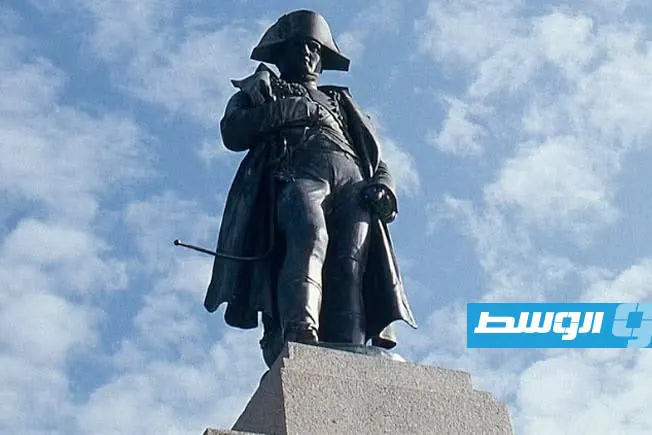
A team of researchers has made a significant breakthrough in cryptography, thanks to the advanced capabilities of the artificial intelligence model GPT-6 Astra developed by OpenAI. The AI model successfully decoded a military message from 1809, issued by Napoleon Bonaparte, which had remained unsolved for over two centuries. This achievement marks a major milestone in the field of cryptography and historical research.
The encrypted message was sent from the headquarters of Eugène de Beauharnais to French General Auguste de Marmont. Carter Church, a cybersecurity engineer from SentinelOne, utilized the GPT-6 Astra model to analyze the encoded document. The AI model took approximately six hours to process the image, recognize the hand-drawn symbols, and crack the entire code. This remarkable feat showcases the potential of AI in solving complex historical puzzles.
The decoded message revealed detailed strategic information about the locations of Bavarian, Polish, and French troops, as well as the reinforcement of the "Army of Italy" with 80,000 soldiers and the Russian advance towards Austria on the eve of war. These historical data and troop numbers enabled researchers to redate the document to late March 1809. The breakthrough provides valuable insights into Napoleon's military strategies and the historical context of the time.
The successful decoding of the message was verified by Satoshi Tomokiyo, a specialist in historical cryptography. Church published the full record of his research, cipher tables, and code scripts for public access. This transparency allows other researchers to review and build upon the findings, potentially leading to further discoveries in the field of historical cryptography.
The use of AI in historical research has opened up new avenues for investigation and discovery. The GPT-6 Astra model's ability to analyze and decode complex historical documents demonstrates its potential as a valuable tool for researchers. As AI technology continues to evolve, it is likely to play an increasingly important role in uncovering the secrets of the past.
Napoleon's military campaigns and strategies have been extensively studied by historians, but the decoding of this 200-year-old message provides a unique perspective on the events leading up to the war. The information revealed by the AI model offers a fascinating glimpse into the military planning and decision-making processes of the time.
The intersection of technology and history has led to this remarkable breakthrough, highlighting the potential for innovative solutions in the field of historical research. As researchers continue to explore the applications of AI in cryptography and historical analysis, it is likely that further discoveries will be made, shedding new light on the past and providing a deeper understanding of historical events.
Key points
- AI model GPT-6 Astra cracks 200-year-old military code from Napoleon's era, providing strategic information about troop locations and movements.