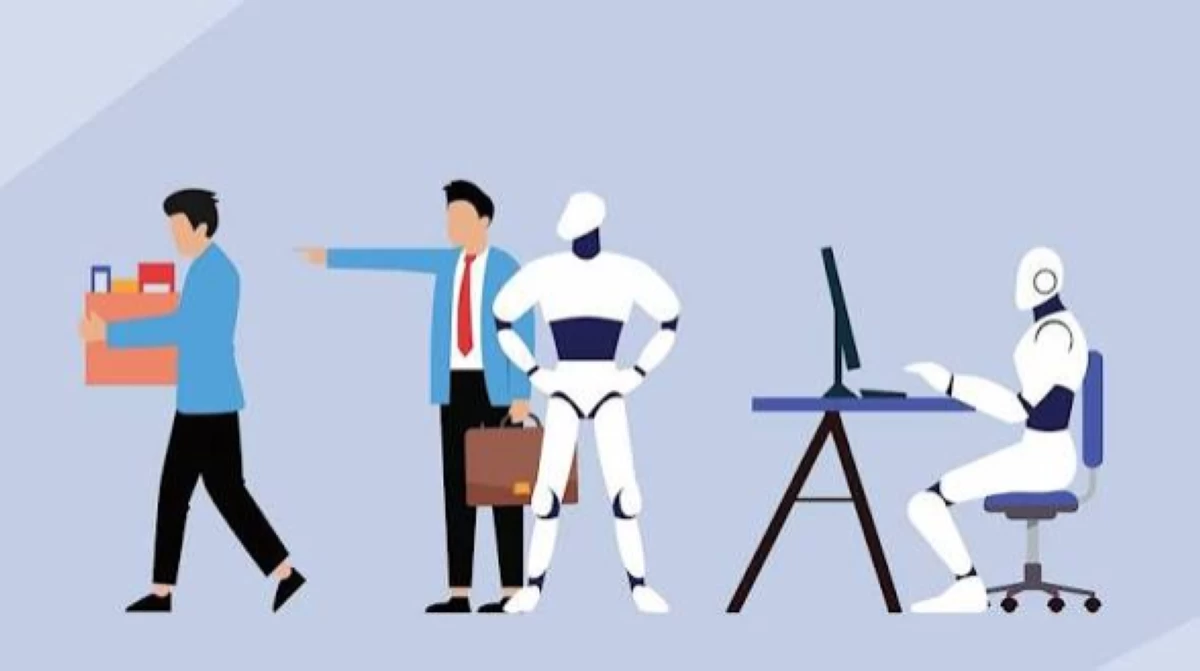
A recent international economic study has found that companies adopting artificial intelligence (AI) technologies have recorded higher employment rates compared to those that do not use these technologies. However, the increase in job opportunities has primarily benefited experienced professionals and leadership roles, while entry-level positions have declined. The study, conducted by researchers from Stanford University and King's College London, analyzed data from 41 countries.
According to the study, companies that use AI have seen a 6.7% increase in leadership roles over a five-year period, while entry-level hiring has decreased by 3% during the same timeframe. The proportion of entry-level employees among all workers in these companies has dropped by 1.9 percentage points. This trend has been observed in several countries, with a more significant impact in wealthier economies that are more reliant on technology.
The researchers based their findings on an analysis of nearly 1.25 billion job advertisements and 154 million employment records from January 2021 to March 2026. The study concluded that AI may reduce the demand for entry-level labor in certain jobs while increasing the need for experienced professionals and leadership in fields most affected by these technologies.
The data also showed that companies adopting AI have increased their share of jobs related to computer science and mathematics by 0.8 percentage points, coinciding with a greater emphasis on hiring experienced professionals. Stanford University's Digital Economy Lab noted a decline in employment among young people aged 22-25 in jobs most impacted by AI compared to those less affected.
These findings come amid growing concerns about the impact of AI on the job market, particularly for young people and entry-level positions that serve as a gateway to the workforce. The debate continues about the extent to which AI will influence employment numbers and job nature in the coming years. Egypt and other countries are likely to be affected by these trends.
The study's results are based on a comprehensive analysis of job market data, providing insights into the shifting landscape of employment. As AI technologies continue to evolve, it is essential to monitor their impact on the job market and develop strategies to support workers who may be displaced or require new skills.
The intersection of technology and employment is becoming increasingly important, with AI being a key driver of change. Understanding the effects of AI on the job market will be crucial for policymakers, business leaders, and workers to navigate the challenges and opportunities presented by these emerging technologies.
Key points
- Companies using AI have seen a 6.7% rise in leadership roles over five years.
- Entry-level hiring has decreased by 3% during the same timeframe.
- AI may reduce demand for entry-level labor while increasing need for experienced professionals.