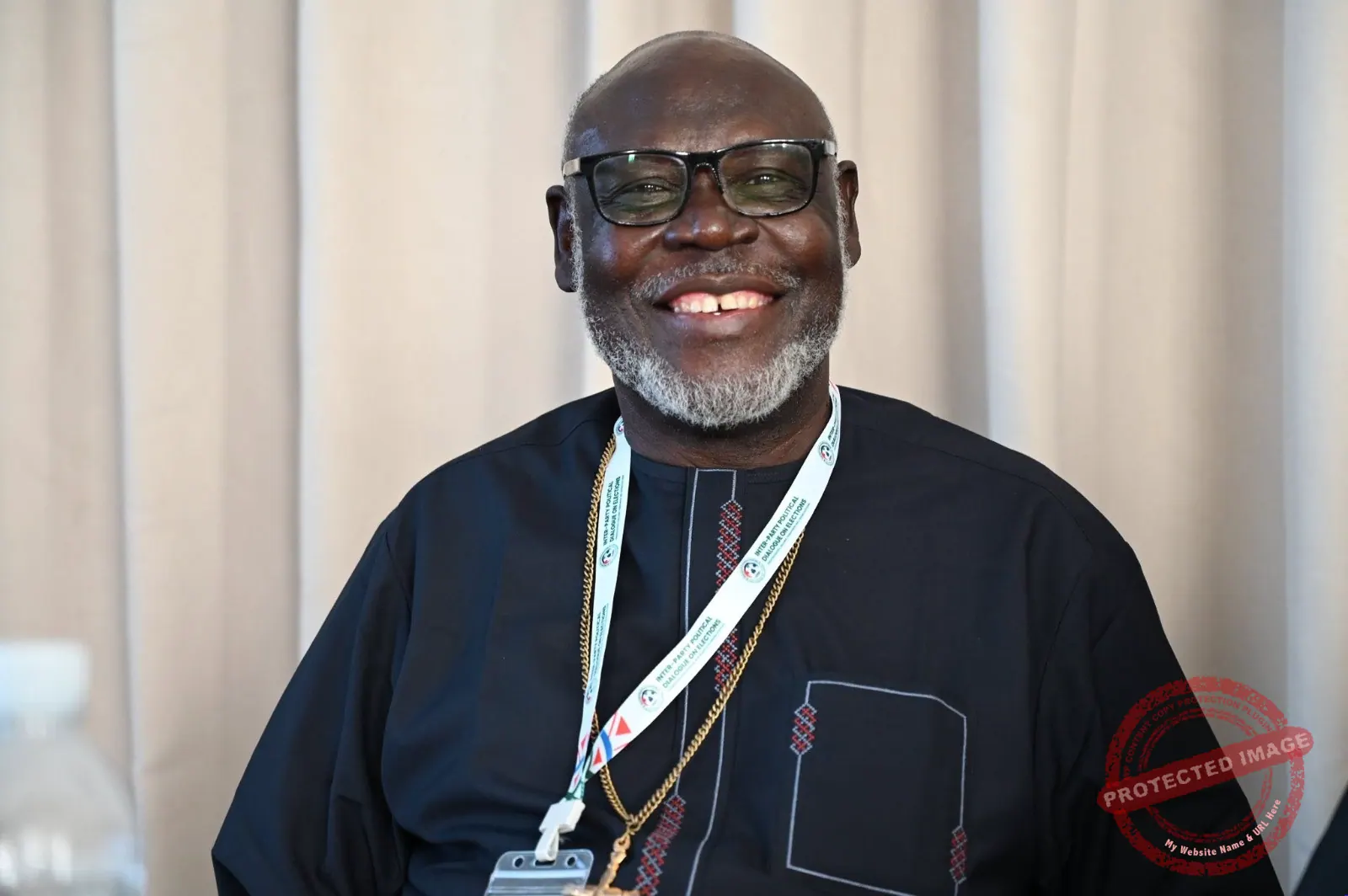
South Sudan's chief mediator for the ongoing Inter-Party-Political Dialogue in Juba, Archbishop Elias Taban Parangi, has pledged to help political parties reach a peaceful political settlement ahead of the country's upcoming elections. The dialogue, which started recently, aims to provide a platform for political parties to address outstanding issues and work toward a peaceful and inclusive political process. Archbishop Parangi's comments came during the third session of the dialogue, where he emphasized the need for a peaceful resolution.
Archbishop Parangi criticized external mediators for what he described as dictating agreements to South Sudan, saying such approaches had contributed to the failure of previous peace arrangements. He stated that the fighting in South Sudan has been caused by mediators who imposed agreements that were impossible to implement. According to Parangi, this approach has led to mistrust and skepticism among the parties involved.
The Archbishop emphasized the need for impartiality in the mediation process, saying mediators should not favour any side. He stressed that when you are a mediator, you are a friend to all and a supporter of none. This approach, he believes, will ensure that all political parties have an opportunity to participate in the country's political process and that the mediation process is fair and transparent.
The two-week Inter-Party-Political Dialogue has brought together political parties to discuss the upcoming elections, the political environment, the economy, security, and other national issues. The dialogue provides a platform for parties to address concerns and work toward a peaceful and inclusive political process. Archbishop Parangi's comments have set the tone for the dialogue, which is expected to be a crucial step toward achieving peace and stability in South Sudan.
Archbishop Parangi expressed his optimism that the current mediation process will lead to a peaceful end. He said that by the grace of God, they will achieve a peaceful solution, peaceful elections, and create enough space for everybody and all parties. His comments have raised hopes that the dialogue will lead to a breakthrough in the country's peace process.
The Inter-Party-Political Dialogue is a critical step toward achieving peace and stability in South Sudan. The country's upcoming elections are seen as a crucial test of its democratic credentials. The dialogue provides an opportunity for political parties to address outstanding issues and work toward a peaceful and inclusive political process. The outcome of the dialogue will be closely watched by local and international observers.
The mediation process, led by Archbishop Parangi, is expected to play a crucial role in shaping the country's future. His commitment to neutrality and impartiality has been welcomed by political parties and stakeholders. The success of the dialogue will depend on the ability of the parties to work together and find common ground.
Key points
- Archbishop Elias Taban Parangi criticizes external mediators for dictating agreements in South Sudan's peace process.
- The Archbishop vows to remain neutral in the Inter-Party-Political Dialogue.
- The dialogue aims to provide a platform for political parties to address outstanding issues ahead of South Sudan's upcoming elections.