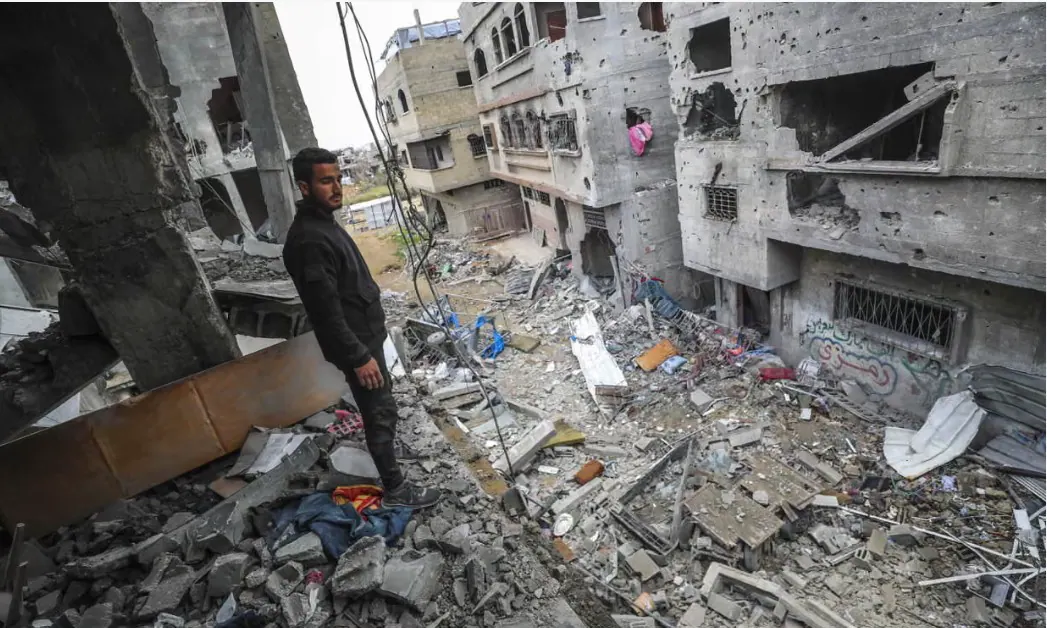
The Arab world is witnessing significant shifts in politics and society, with various events unfolding in recent years. Analysts point to changes in Palestinian awareness, citing a growing sense of frustration and disillusionment among the Palestinian people. According to Dr. Ibrahim Nairat, a key factor is the erosion of expectations among a whole generation of Palestinians, leading to a reevaluation of their relationship with the future.
The events of October 7, 2023, have had far-reaching consequences, sparking intense debate and division within the Arab street. The incident, attributed to Hamas, has been viewed differently by various factions, with some hailing it as a step towards liberation and others condemning it as a destructive and terrorist act. This polarization has led to a surge in inflammatory rhetoric and social media attacks, making constructive discussion increasingly difficult.
The Palestinian people have borne the brunt of the conflict, facing significant human, economic, and social costs. Despite the passionate rhetoric of various factions, Palestinians have been left to shoulder the heaviest burden, with their future and statehood remaining uncertain. Analysts argue that a lasting solution must prioritize Palestinian needs and aspirations.
Meanwhile, in Britain, the country is reassessing its decision to leave the European Union, commonly known as Brexit. Over a decade since the referendum, Britain is now contemplating rejoining the EU, with some politicians advocating for a return to the fold. The move has sparked questions about the wisdom of the initial decision and the potential implications for the country's future.
The economic consequences of Brexit have been significant, with Britain facing substantial losses. The country's departure from the EU has disrupted trade and investment, contributing to economic uncertainty. As Britain considers its next steps, it must weigh the potential benefits and drawbacks of rejoining the EU.
In Yemen, a new development has emerged in the form of "Operation Dawn of Yemen," launched by President Rashad Al-Alimi. The initiative aims to restore state institutions, liberate the capital Sana'a, and bring an end to the Houthi rebellion. The move comes after years of conflict and failed attempts at negotiation, with the Houthis receiving support from Iran.
The Yemeni conflict has become increasingly complex, with various factions vying for power and influence. The Houthi rebellion has not only destabilized Yemen but also posed a threat to regional and global security. The success of Operation Dawn of Yemen will depend on the ability of the Yemeni government and its allies to present a united front against the Houthis.
Key points
- Changes in Palestinian awareness and frustration are driving significant shifts in the Arab world.
- The events of October 7, 2023, have sparked intense debate and division within the Arab street.
- Yemen's Operation Dawn aims to restore state institutions and bring an end to the Houthi rebellion.