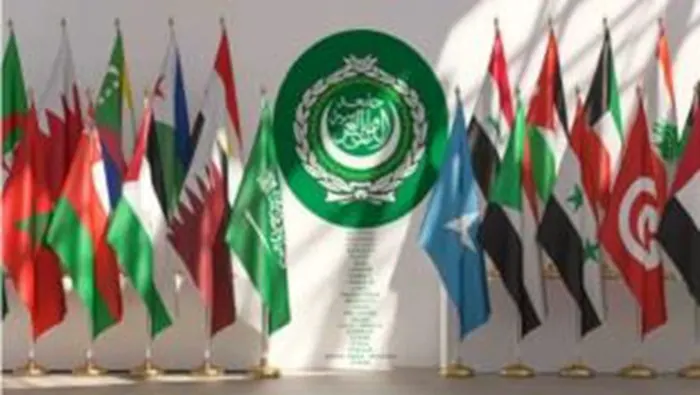
The Arab League is working to increase intra-Arab trade to 25% of total Arab foreign trade by 2030, up from around 14% in recent years. According to Ahmed Nizar Jamel, Director of Arab Economic Integration at the Arab League, the organization is focused on integrating the private sector into the Arab free trade zone. This effort aims to boost economic growth and trade among Arab countries.
Tunisia is hosting a series of workshops from September 21-25, 2026, to promote the benefits of the Arab free trade zone. The workshops, organized in cooperation with the Ministry of Trade and Export Development and the Arab League, aim to inform economic actors and exporting institutions about the advantages of the free trade zone. This includes differential benefits, rules of origin, and trade and customs procedures.
The workshops also seek to address challenges facing Tunisian exports to Arab markets and explore ways to overcome them. The events are part of the "Supporting the Development of the Arab Economic Integration System" project, funded by the "Aid for Trade" program and the International Islamic Trade Finance Corporation. The project aims to enhance the competitiveness of Tunisian institutions, particularly small and medium-sized enterprises.
The workshops include dialogue sessions between the public and private sectors, with participation from public structures, chambers of commerce and industry, and national institutions concerned with export. The goal is to enhance the private sector's use of the Arab free trade zone and support the integration of Tunisian institutions into Arab trade exchanges.
The Arab League's efforts to boost intra-Arab trade are part of a broader strategy to promote economic integration among Arab countries. The organization is working on a project to establish a framework for integrating the private sector into the Arab free trade zone. The project has been submitted to member states for review and feedback.
Jamal Al-Ilaya, Director General of the General Directorate for Economic and Commercial Cooperation at the Ministry of Trade and Export Development, stated that the workshops aim to promote the Arab free trade zone agreement and its benefits. The agreement provides for the complete exemption from customs duties and taxes since January 2005, subject to meeting the required conditions, particularly adopted rules of origin.
The Ministry of Trade and Export Development, the Center for Export Promotion, and chambers of commerce and industry are working to promote these rules, enabling the private sector to benefit from the advantages provided by the rules of origin in the context of Arab production integration, particularly through direct export. The workshops are expected to lead to recommendations for improving Tunisian institutions' use of the free trade zone and enhancing trade between Tunisia and Arab countries.
Key points
- The Arab League aims to increase intra-Arab trade to 25% by 2030.
- Tunisia hosts workshops to promote Arab free trade zone benefits.
- The workshops aim to address challenges facing Tunisian exports to Arab markets.