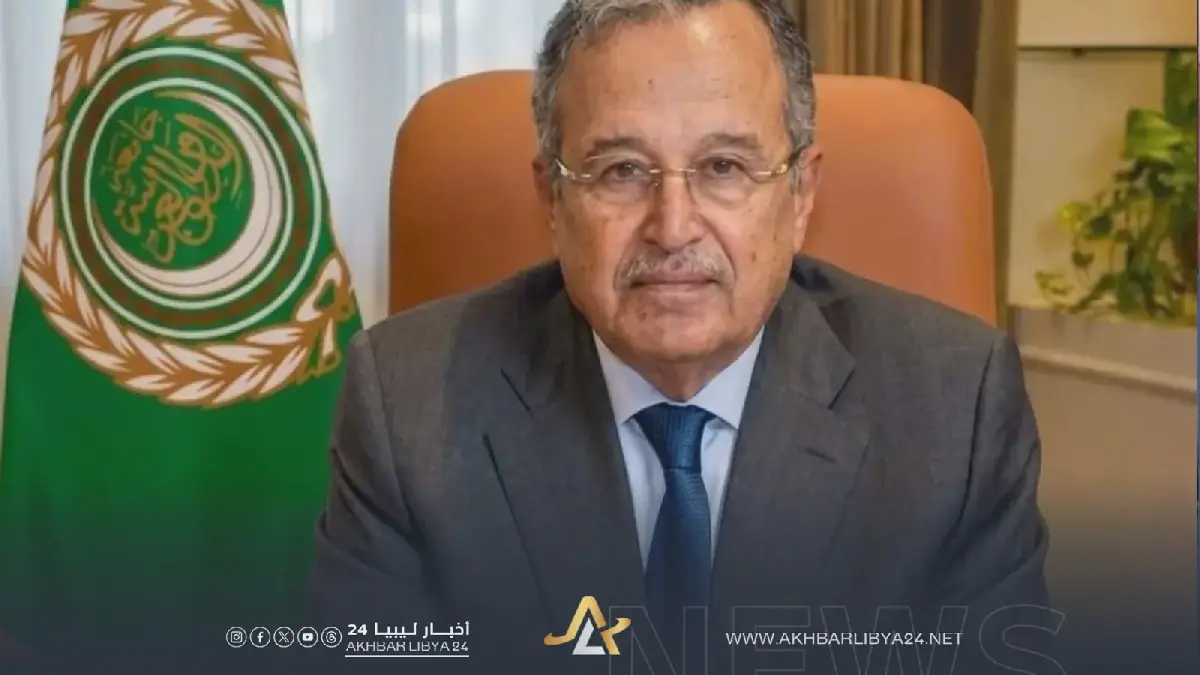
In a recent interview with Al Algeria International, Arab League Secretary-General Nabil Fahmy admitted that the organization's efforts to resolve the Libyan crisis have not yielded desired results. Fahmy expressed dissatisfaction with the current state of political initiatives aimed at ending the division, citing ongoing internal conflicts and multiple foreign interventions in Libya's affairs. This acknowledgment highlights the complexity of the crisis, despite numerous regional and international initiatives over the years.
Fahmy's statement underscores the significant challenges facing both regional and international efforts to end the crisis. Libya has experienced prolonged political and institutional divisions, with disagreements over the transitional phase, distribution of powers, and the future of key institutions. These divisions are further complicated by the involvement of external actors, each with their own interests, making a comprehensive and sustainable solution more difficult to achieve.
The Arab League has been involved in monitoring the Libyan crisis and has repeatedly called for rapprochement between conflicting parties and support for a political solution. Fahmy's admission of dissatisfaction with the outcomes of Arab efforts reveals a persistent gap between proposed initiatives and the actual political situation on the ground. This situation raises questions about the effectiveness of the Arab League's role in managing the crisis and its ability to influence a resolution.
Fahmy identified two primary factors hindering settlement efforts: internal Libyan divisions and foreign interventions. The internal divisions are marked by conflicting positions and interests among Libyan political parties and institutions. Foreign interventions have added to the complexity of the situation, affecting the prospects for national consensus. This analysis aligns with the current situation in Libya, where various international and regional initiatives have been proposed, but a lasting solution remains elusive.
The "4+4" agreement, a recent initiative aimed at overcoming the political deadlock, has sparked debate about the ownership of the Libyan solution. The Arab League has emphasized the need for Libyan-led and owned political processes, ensuring that any agreements are based on national consensus and acceptable to all relevant Libyan stakeholders. This approach is seen as crucial for the legitimacy and sustainability of any future political arrangement.
Fahmy's acknowledgment of the Arab League's failure to resolve the crisis raises questions about the organization's future role in Libya and its capacity to contribute to rapprochement among parties. This situation also highlights the ongoing challenges, despite years of political initiatives and agreements aimed at reunifying institutions, ending divisions, and paving the way for elections. The road to a political settlement appears complex, with Libyan consensus being a critical condition for a lasting solution.
The Libyan crisis continues to face significant hurdles, with internal divisions and external interventions complicating efforts toward a resolution. As the situation stands, a sustainable political settlement seems distant, with the international community and regional organizations like the Arab League facing challenges in facilitating a lasting agreement. The path forward appears to hinge on achieving a genuine Libyan consensus and minimizing external influences.
Key points
- The Arab League's failure to resolve the Libyan crisis highlights the complexity of the situation and the challenges in achieving a lasting political settlement.
- Internal divisions and foreign interventions are major obstacles to resolving the Libyan crisis.
- A Libyan-led and owned political process is seen as essential for achieving a legitimate and sustainable solution.