On Wednesday, Arab investors led the demand for Egyptian government debt instruments, injecting 9.681 billion Egyptian pounds, equivalent to $186 million, into the market. Conversely, foreign investors sold government debt instruments worth 13.574 billion pounds, approximately $261 million. Domestic investors also showed interest, buying 3.892 billion pounds' worth of government debt. This dynamic is part of the so-called "hot money" phenomenon, where investors rapidly move in and out of emerging markets to capitalize on high-interest rates.
The "hot money" refers to substantial foreign investments that flow into emerging markets like Egypt to take advantage of high returns on government debt instruments, such as treasury bills and bonds. These investments are termed "hot" due to their swift entry and exit from the market, as investors aim to profit from interest rate differentials and exchange rate fluctuations. This investment strategy allows for quick gains but can also lead to rapid capital outflows.
In the previous session, Arab investors had also been the primary drivers of demand for government debt instruments in the secondary market, further highlighting their significant role in Egypt's financial markets. The influx of "hot money" can provide a temporary boost to the economy but also poses risks due to its volatile nature.
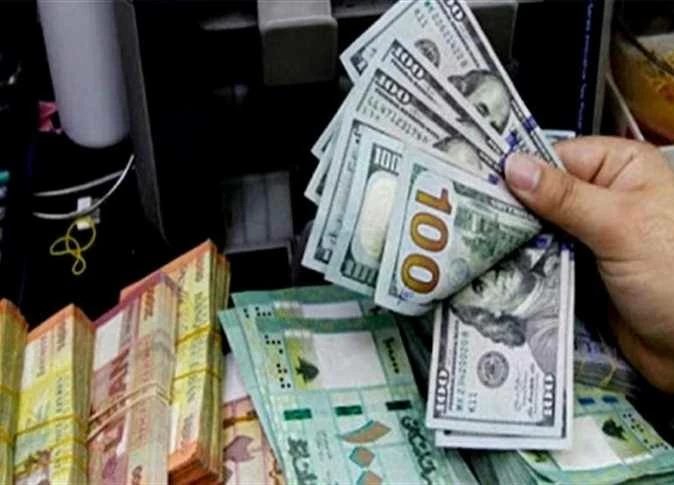
The Egyptian pound has been experiencing fluctuations against the US dollar. On Thursday, the dollar's price decreased in several banks, with the decline ranging between 5 and 19 piasters compared to the previous day's closing rates. In the two major state-owned banks, the National Bank of Egypt and Banque Misr, the dollar's buying and selling prices dropped by 13 piasters, reaching 51.94 pounds for buying and 52.04 pounds for selling.
Other banks also witnessed a decline in the dollar's value. For instance, in the Abu Dhabi Islamic Bank, the dollar's price fell by 5 piasters, reaching 52.10 pounds for buying and 52.20 pounds for selling. These fluctuations reflect the ongoing dynamics in Egypt's foreign exchange market.
The movement of "hot money" in and out of Egypt's financial markets can have significant implications for the country's economic stability. While it can provide much-needed foreign currency, its volatile nature can also pose challenges for policymakers aiming to maintain economic stability.
Egypt's economic authorities have been working to attract foreign investment and stabilize the currency. The government's efforts to create a more favorable investment climate and the introduction of new financial instruments are part of these initiatives. The interaction between "hot money" flows and economic policy will continue to be a critical area of focus for Egypt's economic development.
Key points
- Arab investors bought 9.681 billion pounds of Egyptian government debt instruments on Wednesday.
- Foreign investors sold 13.574 billion pounds of Egyptian government debt instruments on Wednesday.
- The dollar's price decreased in several Egyptian banks on Thursday, with declines ranging between 5 and 19 piasters.