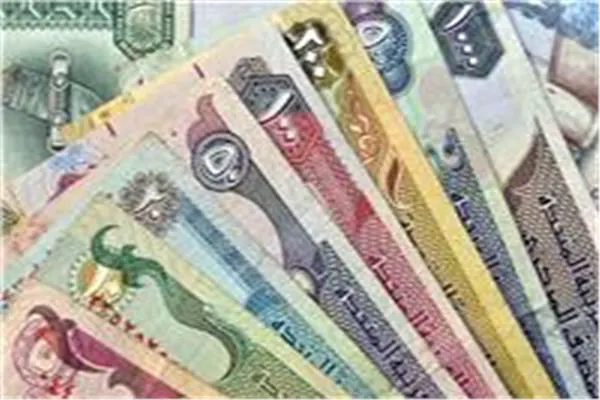
On Wednesday, September 23, 2026, Arab currency prices experienced a decline in early trading sessions in Egypt. According to reports from the local market, most Arab currencies saw a drop in value compared to the Egyptian pound. This development was observed across various banks operating in the Egyptian market. The fluctuations in currency values are closely monitored by financial analysts and individuals involved in foreign exchange transactions.
The prices of specific Arab currencies were reported as follows: the Saudi riyal was trading at 13.70 pounds for buying and 13.75 pounds for selling in Egyptian banks. Meanwhile, the Kuwaiti dinar was recorded at 162.98 pounds for buying and 168.14 pounds for selling. Additionally, the United Arab Emirates dirham was valued at 14.02 pounds for buying and 14.04 pounds for selling. These rates reflect the early trading sessions of the day.
In the Egyptian Central Bank, the Saudi riyal was quoted at 13.72 pounds for buying and 13.78 pounds for selling. The Kuwaiti dinar was priced at 167.63 pounds for buying and 168.13 pounds for selling. Furthermore, the UAE dirham was valued at 14.03 pounds for buying and 14.06 pounds for selling. These official rates often serve as a benchmark for commercial banks and other financial institutions.
Some banks and currency exchange companies operate during holidays and official vacations, providing services in airports, hotels, clubs, and shopping malls, particularly in select areas of Cairo and tourist cities. This ensures that customers have access to foreign currency services even on days when regular bank branches are closed.
The decline in Arab currency values against the Egyptian pound may be attributed to various market and economic factors. These include shifts in global oil prices, changes in international trade balances, and domestic economic conditions. Market participants closely watch these developments to make informed decisions about their foreign exchange transactions.
The performance of Arab currencies in Egypt is of interest to various segments, including businesses engaged in international trade, tourists, and individuals receiving remittances from abroad. The fluctuations in currency values can impact the cost of imports, travel, and remittances, making it essential for stakeholders to stay updated on market trends.
As the day progresses, currency markets may experience further fluctuations in response to new economic data, geopolitical events, or changes in global market sentiment. Market participants will continue to monitor these developments to adjust their strategies and make informed decisions about their foreign exchange activities.
Key points
- The Saudi riyal, Kuwaiti dinar, and UAE dirham declined in value against the Egyptian pound in early trading on September 23, 2026.
- The Egyptian Central Bank quoted official rates for these currencies, which serve as a benchmark for commercial banks.
- Some banks and currency exchange companies operate during holidays and official vacations, providing essential services to customers.