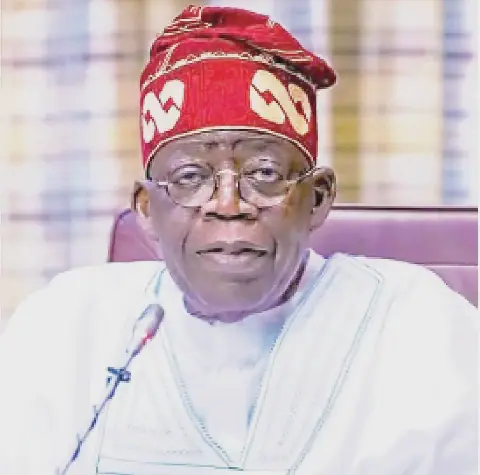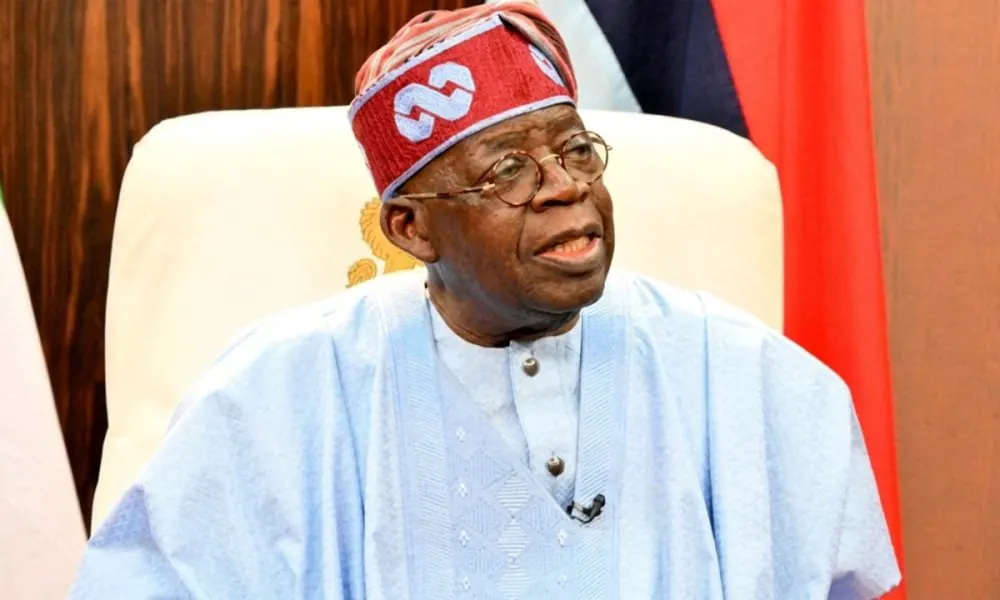
The Allied Peoples Movement (APM) has expressed concerns over the growing debt burden on Nigeria, accusing the President Bola Tinubu-led administration of lacking a clear plan to repay the country's debts. In a statement by its National Publicity Secretary, Abubakar Yusuf, the party urged the World Bank and other international lenders to stop extending fresh loans to the Federal Government. This call comes as the Federal Government is in discussions with the World Bank over three proposed financing facilities totalling $1.5 billion.
The proposed $1.5 billion World Bank credit is made up of three $500 million facilities targeting climate resilience, social protection and early childhood development. The APM questioned the government's ability to service additional debt, arguing that the administration had not presented a clear strategy for repaying the loans accumulated under its watch. The party's concerns are based on the current economic situation in Nigeria, where citizens are facing rising costs of basic necessities.
Since the Tinubu administration came into office in 2023, Nigerians have continued to face rising costs of food, electricity, transportation, healthcare and other basic necessities, while millions are also struggling with food insecurity. The removal of the petrol subsidy has been accompanied by pressure on the naira, reduced purchasing power and difficulties for businesses and other productive sectors. The APM argued that the government's continued borrowing despite increased government revenue following the removal of the petrol subsidy is alarming.
The party condemned the attempt by President Tinubu to further mortgage the future of millions of Nigerians with a fresh $1.5bn credit from the World Bank. The APM's National Publicity Secretary, Abubakar Yusuf, emphasized that Nigeria needed greater transparency, fiscal discipline and investment in productive sectors rather than continued reliance on borrowing. The party's statement reflects concerns about the long-term implications of Nigeria's debt burden.
The APM called on the World Bank, International Monetary Fund (IMF) and other international lenders, including China and the United States, to withhold further credit from the Federal Government of Nigeria. The party believes that continued borrowing could place a heavier burden on Nigerians, who are already struggling with economic challenges. The APM's concerns are shared by many Nigerians who are worried about the country's debt profile.
The current debt burden on Nigeria has significant implications for the country's economic development and the well-being of its citizens. The APM's statement highlights the need for the government to prioritize fiscal responsibility and transparency in its economic management. The party's call for a clear plan to repay Nigeria's debts is a timely reminder of the importance of prudent economic management.
The Tinubu administration's efforts to secure fresh loans from international lenders have raised concerns about the country's ability to service its debts. The APM's concerns are a reminder that Nigeria's economic challenges require a comprehensive and sustainable solution. The government's ability to address these challenges will be crucial in determining the country's economic prospects.
Key points
- The Allied Peoples Movement (APM) has accused the President Bola Tinubu-led administration of lacking a clear plan to repay Nigeria's growing debt.
- The party urged the World Bank and other international lenders to stop extending fresh loans to the Federal Government.
- The APM called for greater transparency, fiscal discipline and investment in productive sectors rather than continued reliance on borrowing.