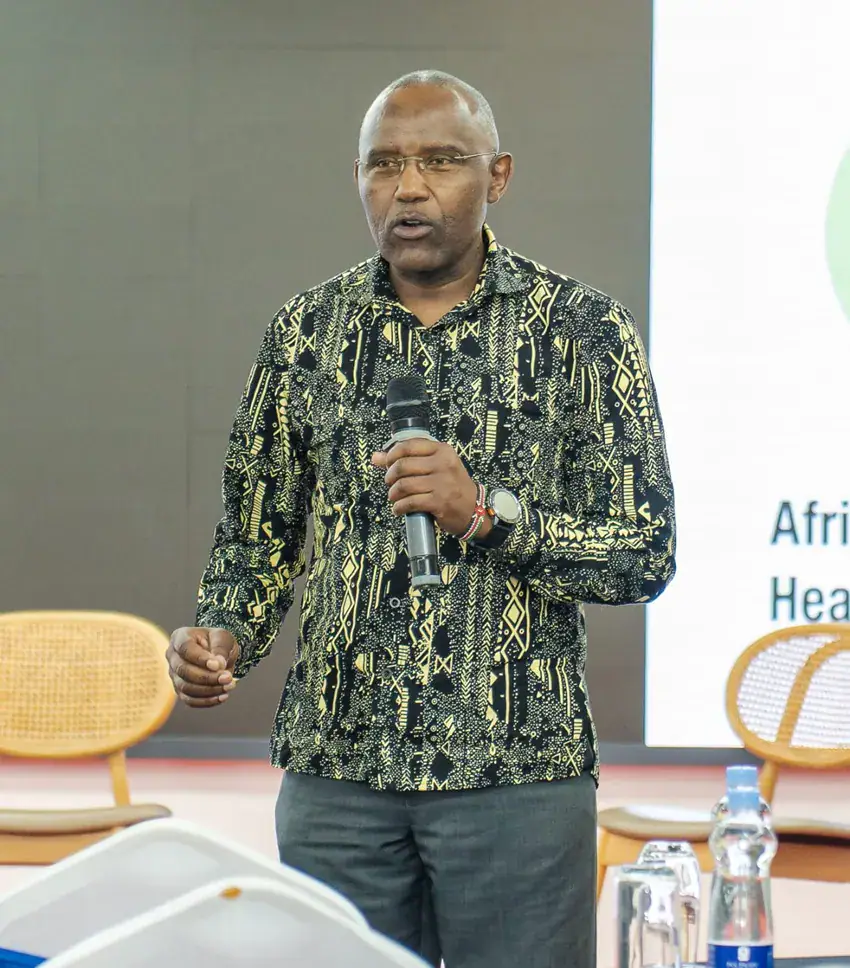
A recent study by the African Population and Health Research Center (APHRC) has identified significant gaps in Kenya's foundational learning, particularly in public primary schools. The study, conducted in 200 schools across 11 counties, found that overcrowded classrooms, teacher shortages, and inadequate learning materials are major obstacles to achieving literacy and numeracy. These challenges are affecting the quality of education, with many learners struggling to acquire basic skills.
The study highlighted the need for stronger teacher mentorship, improved classroom infrastructure, and increased investment in learning resources. According to Moses Ngware, an APHRC researcher, foundational literacy and numeracy remain major concerns in Kenya. The study found that six in ten Grade 3 learners cannot read a Grade 3-level English story with comprehension, while eight in ten cannot solve a basic Grade 3-level numeracy problem. These statistics underscore the need for urgent action to address the challenges.
Teachers in Kenya's public primary schools face significant challenges, including large class sizes and inadequate resources. Elizabeth Lokai Lokwe, a Grade Two teacher in Turkana County, shared her experiences of teaching under trees due to a lack of classrooms and struggling to integrate technology into her lessons. With 68 learners in her class, Lokwe finds it difficult to use digital devices, as not all pupils can see the screen. Teacher shortages further exacerbate the problem, with Lokwe expected to teach multiple grades and subjects.
The APHRC study also highlighted the importance of teacher mentorship in improving learning outcomes. The research found that teachers who received regular coaching demonstrated better teaching practices and stronger learner engagement. However, inadequate transport makes it difficult for Curriculum Support Officers (CSOs) to visit schools consistently, with some responsible for up to 15 schools. This has resulted in inconsistent mentorship and support for teachers.
Education officers, such as Davis Gitonga, a Curriculum Support Officer in Kigumo Sub-County, face similar challenges. Gitonga cited inadequate transport, office facilities, and teaching resources as major obstacles to providing regular mentorship and support to teachers. He emphasized the need for the Ministry of Education and the Teachers Service Commission (TSC) to provide adequate resources to enable regular school visits and effective teacher mentorship.
The APHRC study also revealed significant differences in learner-teacher ratios across counties. The average ratio was 36 learners per teacher, with Nairobi recording 65 compared with 17 in Makueni. Ngware noted that large classes make it difficult for teachers to provide individual attention, particularly during reading practice and skills development. He called for increased investment in foundational learning and stronger classroom-based mentorship involving education officers and school heads.
To address the challenges, Ngware recommended investing in facilitating CSOs to move from one school to another, mentor teachers, and coach them. He also suggested identifying and replicating effective teaching approaches from overcrowded classrooms where learners are achieving good reading outcomes. The study's findings emphasize the need for a concerted effort to improve foundational learning in Kenya's public primary schools.
Key points
- The APHRC study highlights the need for stronger teacher mentorship, improved classroom infrastructure, and increased investment in learning resources to address the challenges in Kenya's foundational learning.
Reporting sources
- APHRC study flags gaps in Kenya’s foundational learning · Kenya Broadcasting Corporation