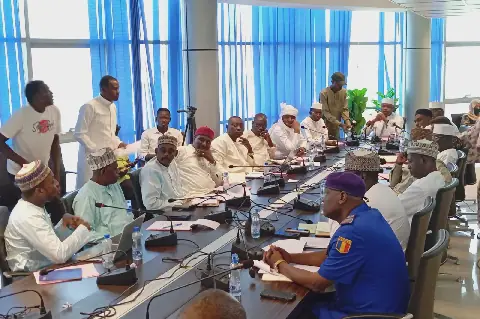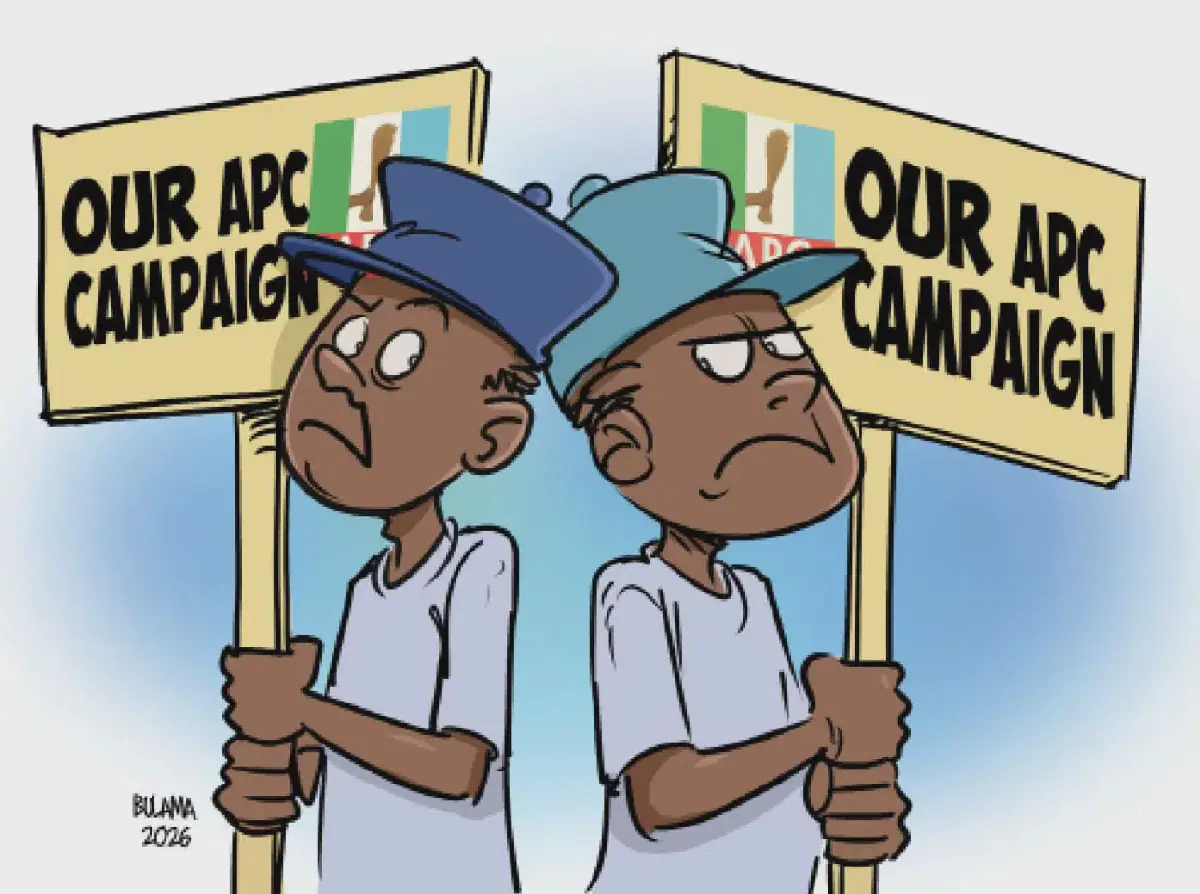
The All Progressives Congress (APC) has officially launched its presidential campaign, but internal conflicts and leadership disputes are hindering its effectiveness in various states. In several states, party leaders are working in isolated camps, often without collaborating with other leaders. This has resulted in a lack of synergy in many states, potentially jeopardizing the party's chances in the 2027 elections. The APC's national campaign is being impacted by these internal divisions.
In states like Plateau, Taraba, Adamawa, and Kano, tensions persist between the camps of defecting governors and those already part of the party. For instance, in Anambra and Osun, where governors from other parties have joined the APC presidential campaign council, existing party structures have expressed discomfort with the arrangement. This has created an uneven playing field for the party's campaign efforts. The APC is struggling to present a united front.
In Katsina State, the party's campaign has been affected by the rivalry between Governor Dikko Umaru Radda and Special Adviser to President Bola Ahmed Tinubu on Political and Other Matters, Alhaji Ibrahim Kabir Masari. Masari has not attended any major campaign activities led by Governor Radda, instead engaging in separate political consultations and building support for the Tinubu-Radda ticket through various stakeholders. This has raised concerns about the party's ability to work together.
Masari's recent engagements include a meeting with 1,121 Islamic clerics in Katsina, where he appealed for their support for President Tinubu. He has also inaugurated two political support organizations and received the leadership of the Joint Islamic First Aid Organisation. These efforts suggest that Masari is working to build a separate support base within the party. The implications of this rift on the party's campaign are yet to be seen.
In Benue State, the camps of Governor Hyacinth Alia and Senator George Akume are mobilizing separately for President Tinubu's reelection. Despite reconciliation efforts, the two leaders' political differences remain unresolved, with each side working independently. This internal division presents a challenge for the APC as it seeks to consolidate its grip on power ahead of the 2027 general elections. The party's ability to work together is crucial to its success.
The APC's internal conflicts are not limited to Benue and Katsina states. In other states, such as Ondo and Zamfara, rivalries between governors and other powerful party figures are hindering the party's campaign efforts. The party's national leadership will need to address these issues to present a united front ahead of the 2027 elections. The stakes are high, and the party's future depends on its ability to work together.
Political analysts believe that the true extent of the APC's internal divisions will only become clear after the presidential election. Until then, the party's campaign efforts will likely be impacted by these underlying tensions. The APC's ability to overcome its internal conflicts and present a united front will be crucial to its success in the 2027 general elections. The party's leadership will need to take decisive action to address these issues.
Key points
- The APC's internal conflicts are hindering its presidential campaign ahead of the 2027 general elections.
- Leadership disputes and personality clashes are contributing to the party's internal divisions.
- The party's national leadership will need to address these issues to present a united front ahead of the 2027 elections.