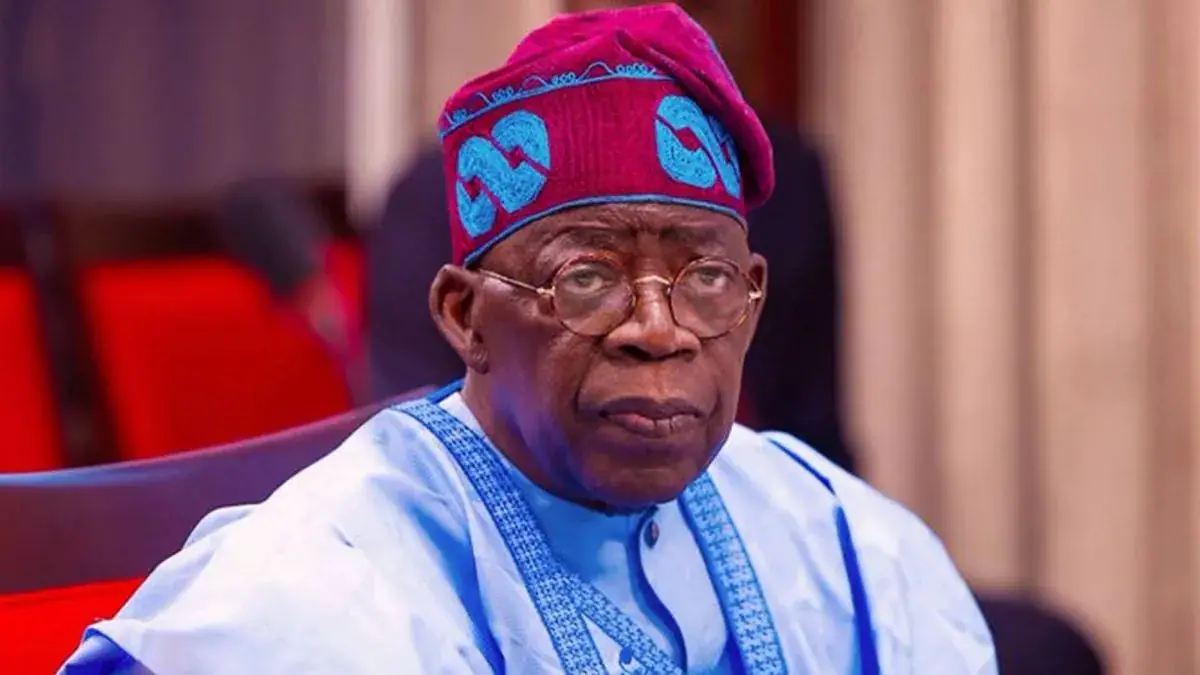
President Bola Tinubu's administration has failed to fulfil some of the promises he made to Nigerians during the 2023 presidential election, according to Kassim Afegbua, Edo State Commissioner for Information and Strategy and a chieftain of the All Progressives Congress (APC). Afegbua defended the President's performance, citing improvements in the country's economy despite falling short of some campaign commitments.
Afegbua made the remarks during an interview on Arise Television, discussing Tinubu's economic policies, the direction of the Nigerian economy, and expectations of Nigerians ahead of the next four years. He acknowledged that the President had not delivered on everything he promised during the 2023 election campaign. However, Afegbua maintained that the administration had introduced policies and implemented reforms that could contribute to the country's economic development.
According to Afegbua, the Tinubu administration had made considerable progress in some areas, particularly in efforts to stabilise the economy and create an environment that would encourage investment. He said the government's economic direction had provided a foundation for further improvements, expressing confidence that the country could record stronger economic growth if current policies were sustained. Afegbua suggested that Nigeria could achieve economic growth of six per cent if the government maintained its current policy direction.
The APC chieftain highlighted some of the programmes introduced under Tinubu's administration, including the Nigerian Education Loan Fund (NELFUND). He described the student loan initiative as an important intervention aimed at helping students from financially disadvantaged backgrounds access higher education. NELFUND was established to provide financial assistance to eligible students in Nigerian tertiary institutions, covering approved educational expenses.
Afegbua also mentioned the financial autonomy granted to local governments, arguing that the development would strengthen governance at the grassroots and improve the availability of funds for development projects at the local level. Local governments now have a more direct opportunity to receive allocations from the Federation Account, a development Afegbua considered important for improving service delivery across communities.
Afegbua maintained that the impact of these policies would become clearer with time, particularly if the government continued implementing its economic programmes and translated improvements at the macroeconomic level into tangible benefits for ordinary Nigerians. He expressed optimism that the next four years could provide an opportunity for the administration to consolidate its reforms and address some of the challenges that have continued to affect the country.
The President introduced several major economic reforms after taking office, including the removal of the petrol subsidy and changes to the foreign exchange market. His government has repeatedly defended the measures as necessary steps towards addressing longstanding structural problems in the Nigerian economy. However, the reforms have also attracted criticism, particularly over their impact on the cost of living, transportation, food prices, and the purchasing power of Nigerians.
Key points
- Tinubu's administration has made progress in the economy despite not fulfilling some 2023 campaign promises.
- The administration has introduced policies and implemented reforms to contribute to the country's economic development.
- Nigeria could achieve economic growth of six per cent if the government maintained its current policy direction.
Reporting sources
- Tinubu Has Failed to Fulfil 2023 Promises – APC Chieftain Admits · Politics Nigeria