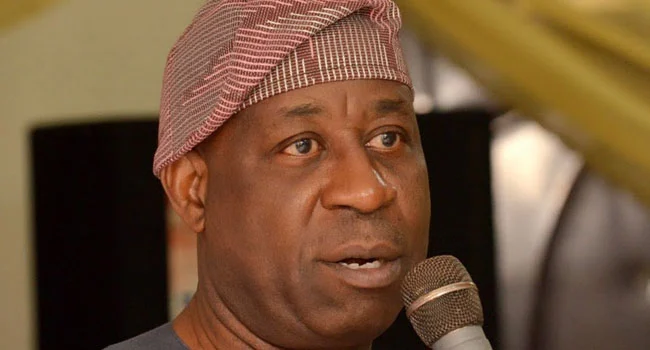
The All Progressives Congress Presidential Campaign Council has raised concerns over African Democratic Congress presidential candidate, Atiku Abubakar's proposal for a targeted fuel subsidy for locally refined petroleum products. In a statement on Sunday in Abuja, the Council's Spokesperson, Mr Dele Alake, asked Abubakar to clarify the legal, fiscal, and operational framework for his proposed subsidy. The council expressed concerns that Abubakar's proposal could affect revenue accruing to the Federation and should be transparently costed.
Abubakar's proposal has raised questions over how government support to domestic refiners would translate into lower pump prices under the existing petroleum-sector framework. The council asked Abubakar to explain whether refiners receiving the proposed subsidy would be required to sell petrol at prescribed prices and identify the legal framework for such conditions. The council also sought clarification on whether amendments to the Petroleum Industry Act would be required to implement the proposed intervention.
The APC-PCC asked Abubakar to disclose the projected cost of the proposal, its annual spending ceiling, funding source, volume covered, and safeguards against diversion, smuggling, and fraudulent claims. The council noted that any proposal involving preferentially priced crude for domestic refineries could affect revenue accruing to the Federation and should be transparently costed. The council also recalled Abubakar's previous advocacy for downstream deregulation and removal of petrol subsidy.
In 2022, Abubakar described the petrol subsidy system as fraudulent and pledged to complete its removal. However, he later said: “I will restore it!” The council asked him to explain how his proposed intervention would differ from the former subsidy regime and how it would prevent abuses associated with subsidy payments. Abubakar's position has been presented by his campaign as a targeted intervention for domestic production rather than a return to the former import-subsidy system.
The APC-PCC said the Tinubu administration had instead focused on expanding CNG and electric mass transit as lower-cost alternatives, citing reductions already recorded on some routes. More than 120,000 vehicles had been converted to CNG, while the Federal Government was working with states and transport stakeholders to expand conversion capacity and supporting infrastructure. The council emphasized that every intervention in the downstream sector should be “lawful, transparent, properly costed and capable of delivering measurable benefits to consumers.”
The council urged Abubakar to provide Nigerians with a detailed policy document and independent legal and fiscal analysis of his proposal, saying the electorate deserved clarity on its implications before the 2027 election. The APC-PCC seeks to ensure that any policy proposal is thoroughly examined and understood by the public. This will enable Nigerians to make informed decisions about the candidates' plans for the country.
The APC-PCC's query on Atiku's fuel subsidy proposal highlights the need for transparency and accountability in policy formulation. The council's demand for clarification on the proposal's framework, cost, and implementation underscores the importance of careful consideration of policy interventions in the petroleum sector. The electorate will be keenly watching how this plays out as the 2027 election approaches.
Key points
- The APC Campaign Council questions Atiku Abubakar's proposed fuel subsidy for domestic refiners.
- The council seeks clarification on the proposal's framework, cost, and implementation.
- The APC-PCC emphasizes the need for transparency and accountability in policy formulation.