The Independent National Electoral Commission, INEC, is set to hold a national stakeholders' meeting in Abuja, marking 100 days to the 2027 general elections. The meeting will provide updates on the voters' register, candidate nominations, election logistics, and measures to protect the integrity of the polls. This development has sparked anxiety among politicians, particularly those who changed parties ahead of the 2027 elections. Their eligibility to contest is now being questioned following a recent Supreme Court judgment.
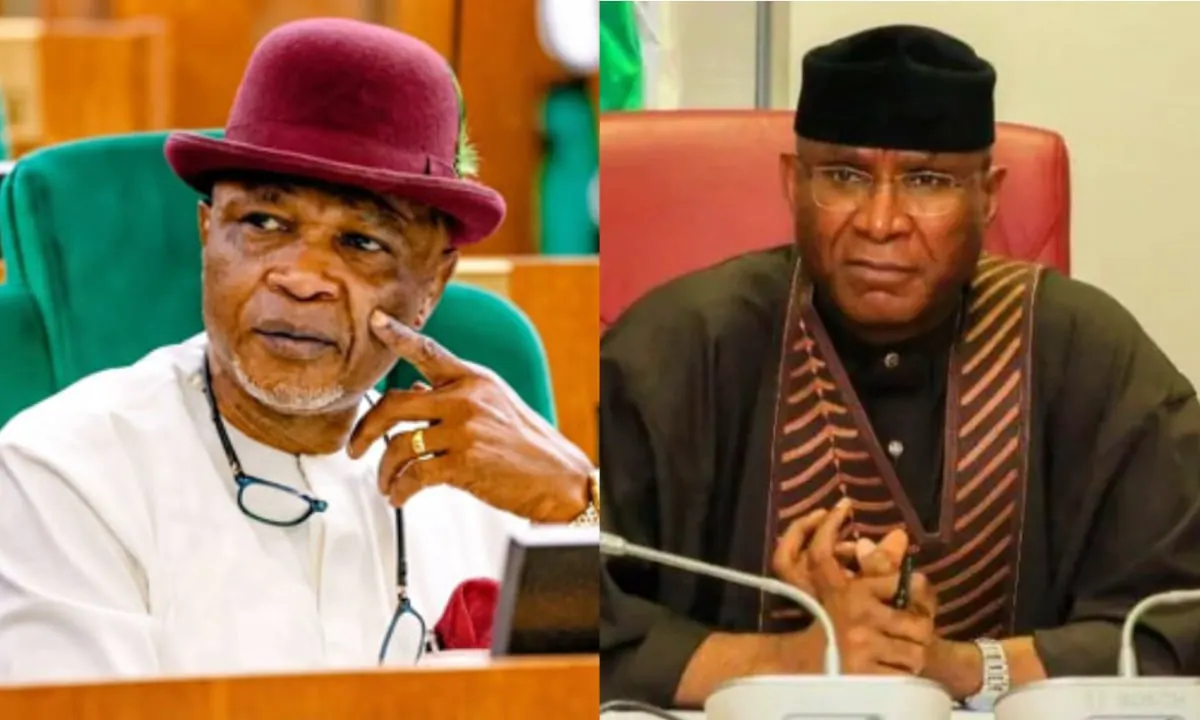
The Supreme Court judgment, delivered on September 25, restored key provisions of the Electoral Act 2026, dealing with political party membership registers and the nomination of candidates. This has triggered questions over the eligibility of politicians who moved to new parties after their previous parties had concluded or were in the process of concluding their nomination exercises. Several high-profile candidates have attracted attention, including Rivers State governorship candidate Kingsley Chinda, Delta Central senatorial candidate Ovie Omo-Agege, and former Cross River State governor Donald Duke.
The issue stems from a Federal High Court judgment delivered in May, which invalidated aspects of INEC's timetable for the 2027 elections. The court ruled that INEC could not shorten statutory periods provided by the Electoral Act for political parties to conduct primaries and submit, withdraw, or replace candidates. However, the Court of Appeal overturned this decision on July 16, restoring INEC's timetable. The Supreme Court further restored the disputed provisions of the Electoral Act concerning membership registers and candidate nominations.
The restored provisions have raised concerns about the eligibility of politicians who changed parties. Chinda, an ally of the Minister of the Federal Capital Territory, Nyesom Wike, emerged as the APC's governorship candidate on May 21, 2026, shortly after the Federal High Court judgment. His supporters argue that the Supreme Court ruling does not automatically invalidate his nomination. In Delta State, Omo-Agege's case presents another significant test, as he contested the APC's Delta Central senatorial primary in May but lost and later joined the NDC.
Omo-Agege secured the NDC's Delta Central senatorial ticket through a consensus arrangement. Similarly, Victor Ochei, who left the APC after its nomination process and joined the NDC, received a waiver and secured the party's Delta North senatorial ticket. Their candidacies could face questions regarding the party's membership register and statutory requirements governing participation in party primaries.
A human rights lawyer, Maximus Ugwuoke, stated that the Supreme Court judgment does not automatically invalidate nominations or disqualify candidates whose party primaries were conducted while the affected provisions were inoperative. Ugwuoke said INEC would have to examine the circumstances surrounding each affected nomination before determining the impact of the judgment. He listed the applicable legal position at the time of the primaries, the party's membership register, and relevant statutory timelines as factors that would need to be considered.
Ugwuoke cautioned against assuming that the Supreme Court judgment had created grounds for a blanket cancellation of nominations. He maintained that while the Supreme Court had restored the statutory rules, the effect on candidates who had already emerged from party primaries would depend on the specific facts of each case and the proper application of the law. The stakeholders' meeting will provide important clues about what lies ahead for candidates whose emergence followed controversial defections, waivers, and party primaries.
Key points
- The Supreme Court judgment restored key provisions of the Electoral Act 2026.
- The judgment has triggered questions over the eligibility of politicians who changed parties.
- INEC's stakeholders' meeting will provide updates on the voters' register, candidate nominations, and election logistics.