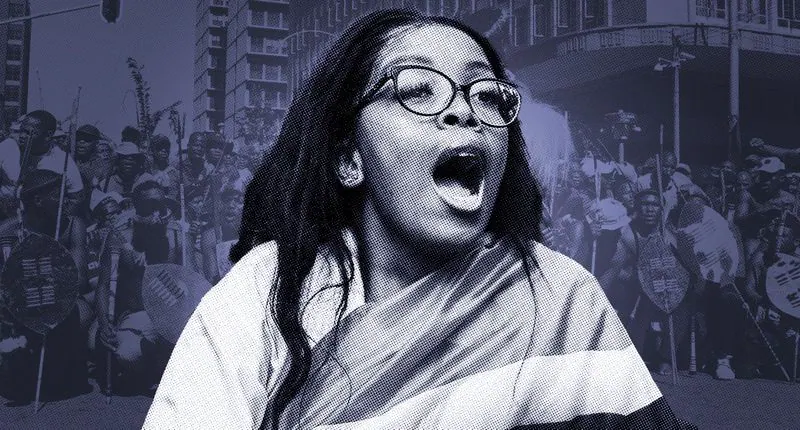
A surge in anti-immigrant sentiment in South Africa has sparked concerns about the erosion of the country's constitutional values. Groups such as those led by Jacinta Ngobese-Zuma have been targeting undocumented migrants, accusing them of being a burden on society. However, their actions have been widely criticized as indiscriminate and violent. The groups claim to be targeting those who are in the country illegally, but their methods have been condemned by human rights groups.
The anti-immigrant lobby has been driving a narrative that the constitution and judiciary are responsible for many of the country's problems. They argue that the constitution's protections for all citizens, including foreigners, have led to an influx of outsiders who take jobs, resources, and threaten the security of South Africans. This sentiment has been fueled by populist activists and some politicians, who have long been critical of the judiciary.
The judiciary has faced increasing hostility in recent years, particularly during the tenure of former President Jacob Zuma. Zuma and his supporters frequently criticized judges for overreaching and making decisions that went against the government. The trend has continued, with some politicians and activists accusing judges of ignoring the will of the people. However, the judiciary has consistently defended its independence and the rule of law.
A circular issued by the Department of Home Affairs recently highlighted the Constitutional Court's directive that asylum seekers cannot be turned away, regardless of how they entered the country. The directive has been met with resistance from anti-immigrant groups, who accuse the government and judiciary of allowing the country to be overrun by foreigners. The groups have vowed to continue their protests and actions against undocumented migrants.
Ngobese-Zuma, a leading figure in the anti-immigrant movement, has expressed frustration with the democratic process and the role of the judiciary. She has questioned the value of democracy if judges are allowed to interpret the law and make decisions that are binding on all citizens. Her comments have been widely criticized, with many arguing that she seeks to undermine the constitution and the rule of law.
The growing disdain for the judiciary and constitution has significant implications for South Africa's democracy. The constitution has been hailed as a cornerstone of the country's transition to democracy, and its protections for all citizens have been widely praised. However, the anti-immigrant lobby and some politicians continue to erode trust in the judiciary and the constitution, with potentially far-reaching consequences.
The Constitutional Court has consistently defended its independence and the rule of law, upholding the constitution and protecting the rights of all citizens. Despite the challenges, the judiciary remains a crucial institution in South Africa's democracy, and its role in upholding the constitution and protecting human rights continues to be essential.
Key points
- The anti-immigrant lobby is driving a narrative that the constitution and judiciary are responsible for many of the country's problems.
- The judiciary has faced increasing hostility in recent years, particularly during the tenure of former President Jacob Zuma.
- The growing disdain for the judiciary and constitution has significant implications for South Africa's democracy.