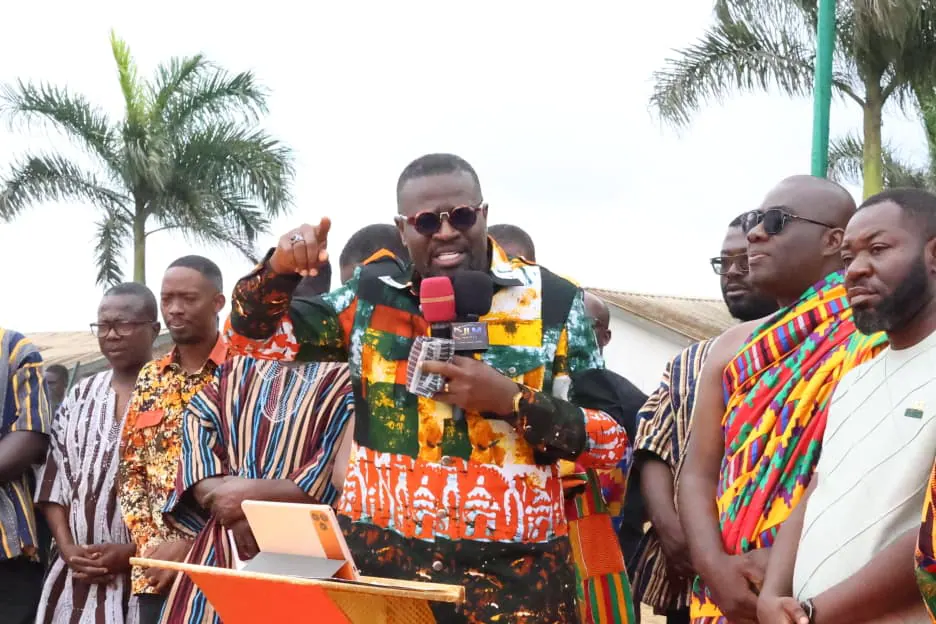
Ghana's Minority Chief Whip and Member of Parliament for Nsawam-Adoagyiri, Frank Annoh-Dompreh, has urged authorities to exercise restraint in arresting and prosecuting political actors over comments made against public officials. He made the call at the Mampong Ohum/Odwira 2026 celebration. Annoh-Dompreh emphasized that Ghana's democracy could be undermined if the criminal justice system was perceived to be used selectively in political disputes. He stressed the importance of fairness and consistency in applying the rule of law.
Annoh-Dompreh cautioned that power is transient and urged those in authority to remember that positions of power are temporary. He warned against creating a system where individuals face arrest or prosecution for political commentary, while similar conduct by others is treated differently. The Minority Chief Whip emphasized that the rule of law must be applied fairly and consistently, irrespective of the political affiliation of the individuals involved. This comes amid growing public discussion over the arrest and prosecution of individuals over alleged offensive comments directed at political figures.
The issue has generated debate over the extent to which the law should regulate political speech and how authorities can protect public order while safeguarding the constitutional right to freedom of expression. Annoh-Dompreh noted that citizens have a responsibility to communicate responsibly, particularly on social media. However, he emphasized that political criticism should not automatically be treated as criminal conduct. This is especially important in a democratic setup where citizens should be free to express their views about political leaders and public officials.
The growing influence of social media has transformed political communication, with young people increasingly using digital platforms to express their views. Annoh-Dompreh urged citizens to avoid insults and inflammatory language but said political leaders must also be prepared to tolerate criticism as part of democratic engagement. He appealed to traditional rulers, religious leaders, and other influential figures to help promote responsible political discourse and encourage citizens to express their views without resorting to personal attacks.
Annoh-Dompreh further called on political parties and their supporters to promote respectful engagement, even when disagreements over national issues are intense. He maintained that Ghana's democratic institutions must uphold fairness, due process, and equal application of the law. These principles are particularly important in politically sensitive cases, where the actions of state institutions could have implications for public confidence in the country's democratic system.
The Minority Chief Whip called for restraint from all sides, saying political differences should be addressed through democratic institutions and lawful processes rather than actions that could deepen political tensions. His comments have added to the ongoing national discussion about the boundaries of political expression, particularly the distinction between legitimate criticism, offensive speech, and statements that may fall foul of the law.
Annoh-Dompreh's warning comes at a time when there is growing concern over the arrest and prosecution of individuals over comments made on social media platforms like TikTok. His call for caution and restraint is seen as a timely intervention in the debate over free speech and the regulation of political commentary in Ghana. The issue remains a contentious one, with various stakeholders weighing in on the need for balance between protecting public order and safeguarding the right to freedom of expression.
Key points
- Annoh-Dompreh urges authorities to exercise restraint in arresting and prosecuting political actors over social media comments.
- He emphasizes the importance of fairness and consistency in applying the rule of law, irrespective of political affiliation.
- Annoh-Dompreh calls for responsible political discourse and restraint from all sides to prevent deepening political tensions.