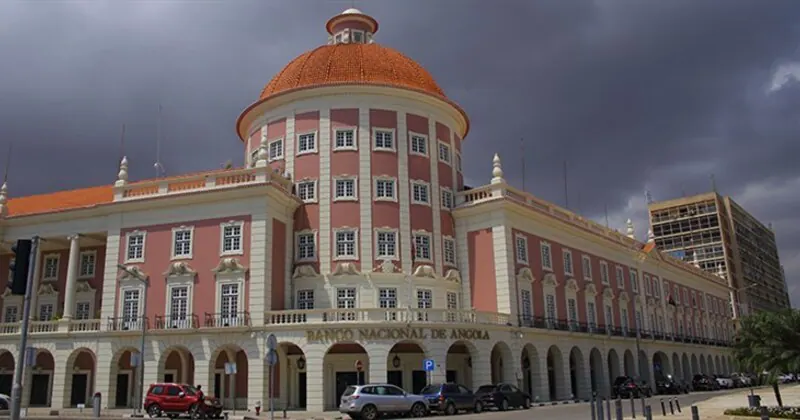
Remittance companies in Angola have formally requested the intervention of Banco Nacional de Angola (BNA) Governor Manuel Tiago Dias to address alleged unfair taxation by commercial banks. The companies claim that banks are charging them a 10% tax on transactions, instead of the 2.5% stipulated by law for transactions with individuals. This has led to concerns about the sector's sustainability and the potential for clients to turn to informal markets.
The remittance companies argue that, by law, their foreign exchange purchases are exclusively for services to individuals, making it difficult for them to continue operating given the high exchange rates in the country. They claim that the difference between the purchase and sale prices of financial transactions, or "spread," is causing significant losses of clients to informal currency markets. The companies cite Circular n.° 004/GACA/GJ/AGT/2024 from the General Tax Administration (AGT), which sets a 10% tax on transactions for companies and 2.5% for individuals.
However, commercial banks have allegedly been taxing remittance companies at the higher rate of 10%, ignoring the final service provided. The companies argue that this additional financial burden falls directly on the client, making their operations more expensive than alternative formal options in Angola. The tax and exchange rate spread combine to make transactions unviable, they claim. This situation has already led to the closure of branches and layoffs in the sector.
The remittance companies, which signed the letter to the BNA governor, emphasize that the crisis caused by this impasse has severe consequences. They appeal to the BNA's autonomy and competence to ensure financial system stability, promote financial inclusion, and enforce compliance by commercial banks. The companies base their appeal on the Foreign Exchange Law (Law n° 5/97) and the Law on the National Bank of Angola (Law n° 24/21).
The BNA has yet to respond to the formal request from the remittance companies. The outcome of this intervention could significantly impact the operations of remittance companies and the broader financial sector in Angola. The companies stress that a resolution is crucial to prevent further instability and promote a more favorable business environment.
The issue highlights the challenges faced by remittance companies in Angola, where high exchange rates and taxation can make it difficult for them to operate profitably. The sector plays a vital role in facilitating financial transactions and promoting financial inclusion. A resolution to this issue could help to stabilize the sector and promote economic growth.
The situation also underscores the need for clear regulations and effective enforcement to prevent unfair taxation and promote a level playing field for all financial sector players. The BNA's response to the remittance companies' request will be closely watched by industry stakeholders and may have implications for the broader financial sector in Angola.
Key points
- Remittance companies in Angola face alleged unfair taxation by commercial banks, which could threaten the sector's sustainability and drive clients to informal markets.
- The companies claim that banks are charging them a 10% tax on transactions, instead of the 2.5% stipulated by law for transactions with individuals.
- A resolution to this issue could help to stabilize the sector, promote financial inclusion, and foster economic growth in Angola.