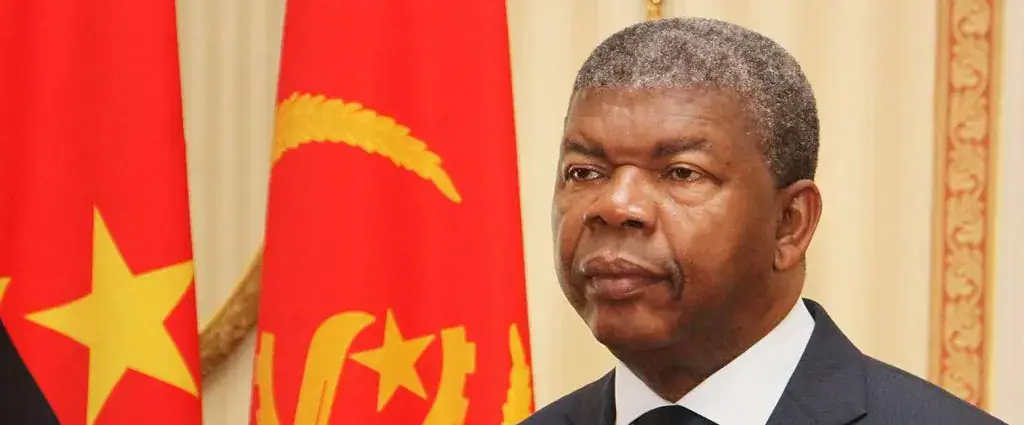
The recent power struggle within Angola's ruling party, MPLA, has raised questions about the country's leadership and governance. Higino Carneiro, a former MPLA elite member, has criticized the party's culture of obedience and intolerance to dissent, after being excluded from the presidential candidacy. His comments highlight the challenges facing President João Lourenço, who has been in power since 2017 and is now facing opposition from within his party.
The Angolan opposition, including the UNITA party, has also faced criticism for prioritizing the interests of its leaders over the needs of the people. The opposition's focus on gaining power has led to concerns that they may replicate the authoritarianism of the MPLA if they were to take office. This has raised questions about the ability of the opposition to bring about meaningful change and promote democratic governance in Angola.
The education sector is another area of concern, with many schools lacking basic infrastructure and resources. According to a 2023 report by the Ministry of Education, 89% of public schools in Angola do not have access to the national budget, and six out of ten schools lack access to clean water. This has resulted in a significant gap in education quality, with many students being left behind.
The consequences of a failing education system are far-reaching, with many young people being forced to seek education abroad. This has led to concerns about the future of Angola's development, as the country's best and brightest are often lost to brain drain. President Lourenço's government has announced initiatives to improve education, including the creation of "schools of reference," but progress has been slow.
Corruption is another major challenge facing Angola, with many citizens feeling that the system is rigged against them. The lack of transparency and accountability has led to widespread corruption, with many individuals seeking to exploit the system for personal gain. This has resulted in a culture of dependency, with many citizens relying on patronage and nepotism to get by.
The fragmentation of Angolan society has also contributed to the country's challenges, with many citizens feeling disconnected from the political process. The lack of solidarity among citizens has allowed the government to maintain its power, despite widespread discontent. To overcome these challenges, Angolans will need to come together and demand change from their leaders.
As President Lourenço navigates the complexities of Angolan politics, he will need to address the country's many challenges, including corruption, education, and governance. His legacy will depend on his ability to promote democratic governance and improve the lives of Angolan citizens. With the opposition and civil society watching closely, Lourenço's next moves will be crucial in determining the country's future.
Key points
- President João Lourenço faces challenges from within his party and the opposition amid concerns over governance, education, and corruption.
- The Angolan education system is in crisis, with many schools lacking basic infrastructure and resources.
- Corruption and lack of transparency are major challenges facing Angola, with many citizens feeling that the system is rigged against them.