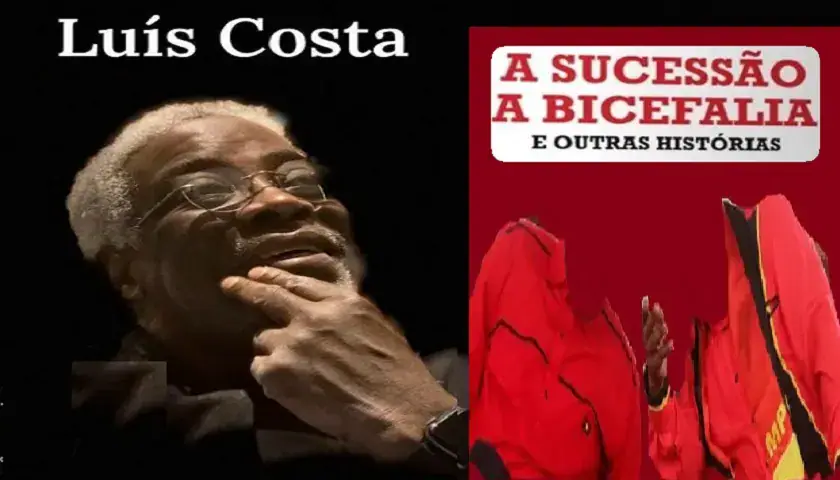
Angolan journalist Luís Costa has released a book titled "A Sucessão, Bicefalia e Outras Histórias" which delves into the complexities of the power dynamics within the country's ruling party, the Movimento Popular de Libertação de Angola (MPLA). The book, set to be presented in Luanda, examines the relationship between former President José Eduardo dos Santos and current President João Lourenço, who succeeded him in 2017. Costa aims to provide insight into the party's leadership and the challenges it faces.
The book centers around a statement made by Lopo do Nascimento, a historical MPLA militant and former Prime Minister, who warned against José Eduardo dos Santos' potential desire to continue leading the party after the 2017 general elections. Costa highlights the nuances of the cohabitation between dos Santos and Lourenço, describing it as sometimes harmonious, sometimes cold, and competitive. This period was marked by significant events that revealed differences and motivations between the two leaders.
According to Costa, the book explores the succession process of 2017, which led to João Lourenço taking over from José Eduardo dos Santos. This process was marred by controversy, particularly after dos Santos' passing in 2022. Costa also touches on the upcoming 2027 general elections, where Lourenço is expected to be ineligible for re-election due to constitutional term limits. However, Lourenço is the sole candidate for the MPLA leadership in the upcoming congress.
Luís Costa expresses his hope for a peaceful and transparent electoral process in 2027. He emphasizes the importance of equal opportunities for all candidates to participate in the electoral process and to have access to the same resources. Costa also stresses the need for a level playing field, allowing all parties to scrutinize the process under the same conditions. This, he believes, is crucial for free and fair elections that are accepted by all parties.
The book also revisits cases that highlighted the power struggles surrounding José Eduardo dos Santos during his tenure. One notable example is the reaction to a statement made by Orlando Castro, a journalist and Director-Adjunct of Folha 8, who compared João Lourenço's rise to power to a change from one form of leadership to another, rather than a fundamental shift. Castro's comments were met with criticism, and he was subsequently banned from appearing on RTP-África.
Costa's work aims to provide a nuanced understanding of the MPLA's internal dynamics and the challenges it faces in the lead-up to the 2027 elections. The book is seen as a significant contribution to the ongoing discussion about Angola's political future and the role of the MPLA in shaping it. By examining the complexities of the party's leadership, Costa hopes to shed light on the intricacies of Angolan politics.
As Angola prepares for the 2027 general elections, the MPLA's leadership dynamics will likely play a crucial role in shaping the country's political landscape. Luís Costa's book provides valuable insights into the party's internal workings and the challenges it faces in maintaining stability and ensuring a smooth transition of power. The book's release comes at a critical time, as Angola navigates the complexities of its democratic process.
Key points
- Luís Costa's book explores the power dynamics within Angola's ruling MPLA party, shedding light on the complexities of the party's leadership and the challenges it faces.