The concept of identity is complex and multifaceted, and it is not something that is fixed or predetermined at birth. According to Ana Clara Guerra-Marques, a person's identity is shaped by various factors, including their body, skin color, sex, and place of birth, as well as their professions, convictions, relationships, and affiliations. These factors can change over time, and individuals can acquire new characteristics, transform existing ones, or discard others.
The idea of identity is not a static concept, but rather a dynamic process that is influenced by historical and social contexts. Stuart Hall, a prominent cultural studies scholar, argues that cultural identity is not an essence, but a positioning, a way of naming and integrating oneself into the narratives of history. This perspective is supported by the work of Frantz Fanon, who showed how the identity of colonized peoples is shaped by their confrontation with colonizers and the absorption of their values.
The concept of identity is particularly relevant in the context of African cultures, which have been subject to historical and social changes, including colonization, migration, and globalization. The Western gaze has often produced a homogenized image of African cultures, portraying them as static and unchanging. However, this perspective neglects the dynamic nature of African cultures, which have always been shaped by interactions with other societies and historical events.
The UNESCO Convention for the Safeguarding of Intangible Cultural Heritage (2003) recognizes that cultural heritage is not fixed, but is constantly recreated by communities in response to their history and circumstances. This perspective emphasizes the importance of understanding cultural identity as a dynamic process of transformation and creation. When it comes to building a cultural or artistic identity, it is not about preserving the past or erasing it, but about creating a new dialogue between the past and the present.
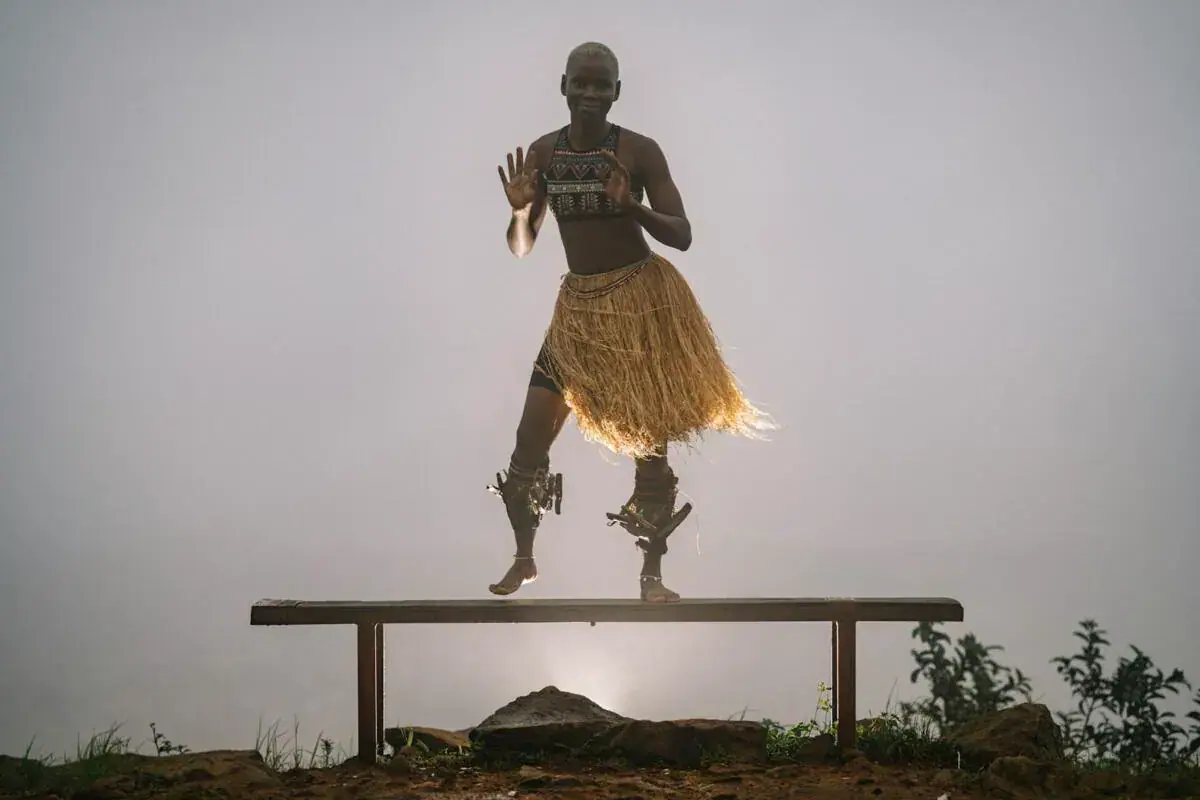
Artists have a crucial role to play in this process of transformation and creation. By combining different cultural traditions and languages, artists can create new forms of expression that are both rooted in their cultural heritage and responsive to contemporary challenges. For example, by bringing together different dance traditions, artists can create new forms of performance that showcase the diversity and richness of African cultures.
However, this process of transformation and creation requires a deep understanding of the cultural traditions being drawn upon. It is not enough to simply borrow from the past or use cultural heritage as a prop; artists must engage with the meanings, techniques, and histories of the traditions they are working with. This requires a high degree of consciousness and responsibility, as well as a commitment to understanding and respecting the cultural heritage being transformed.
Ultimately, the construction of a cultural identity is a continuous process that requires a dialogue between the past and the present, the local and the universal. African artists have a unique opportunity to shape this process and create new forms of expression that are both rooted in their cultural heritage and responsive to contemporary challenges. By embracing this dynamic process of transformation and creation, African artists can help to build a renewed and vibrant cultural identity that is capable of evolving and adapting to changing circumstances.
Key points
- The concept of identity is a dynamic process of construction, rejection, and transformation, shaped by historical, social, and cultural factors.
- Cultural identity is not a static concept, but rather a positioning, a way of naming and integrating oneself into the narratives of history.
- The construction of a cultural identity requires a deep understanding of the cultural traditions being drawn upon and a high degree of consciousness and responsibility.