The Angolan government has announced plans to launch a malaria vaccination program in 2027, following two previous delays in 2024 and 2025. According to Helga Freitas, Director National for Public Health, the program will be implemented in two stages, starting with the most endemic regions of the country. This move is expected to make Angola the 26th African country to introduce the vaccine into its national program.
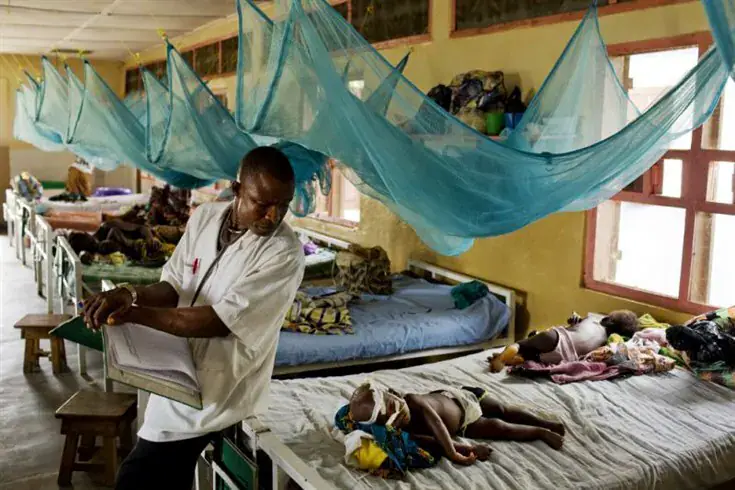
The government's decision comes as the country continues to grapple with the impact of malaria, which remains the leading cause of death in Angola. In 2025, the country recorded over 11.2 million cases and 11,260 deaths, representing a decline of 47,000 infections and 200 deaths compared to 2024. The Director National for Public Health noted that provisional data for the first half of 2026 indicates a continued decrease in cases, although the exact figures were not disclosed.
The malaria vaccination program will be allocated 12.5 billion kwanzas in the 2027 state budget, which is 3.66 billion kwanzas less than the amount allocated in 2026. Despite this reduction, the government remains committed to controlling the disease. According to the World Health Organization (WHO), several studies have shown that every dollar invested in malaria prevention and control can generate up to 36 dollars in economic returns.
The WHO has emphasized the need for a multisectoral response to malaria control, requiring predictable financing and integrated public policies that go beyond the health sector. The organization has been working closely with Angola to support the introduction of the vaccine and strengthen the country's health systems. The vaccination program is expected to be a key component of Angola's strategy to reduce the burden of malaria.
Angola's malaria vaccination program will prioritize the most endemic regions, where the disease has the greatest impact on communities. By targeting these areas, the government aims to reduce the number of cases and deaths, and ultimately improve the overall health and well-being of its citizens. The program will also help to alleviate the economic burden of malaria, which affects not only individuals but also the broader economy.
The introduction of the malaria vaccine in Angola is a significant step towards controlling the disease, which has been a major public health challenge in the country. With the support of international partners, including the WHO, Angola is working to strengthen its health systems and improve its response to malaria. The vaccination program is expected to be a key component of these efforts.
As Angola prepares to launch its malaria vaccination program in 2027, the government remains committed to achieving its goal of reducing the burden of the disease. With a continued focus on prevention and control measures, including the use of vaccines, Angola aims to make significant progress in the fight against malaria. The country's experience will also inform efforts to control the disease in other African countries.
Key points
- The Angolan government has allocated 12.5 billion kwanzas for the malaria vaccination program in 2027.
- The program will be implemented in two stages, starting with the most endemic regions of the country.
- Angola will become the 26th African country to introduce the malaria vaccine into its national program.
Reporting sources
- Angola promete arrancar com vacinação contra a malária... · novojornal.co.ao