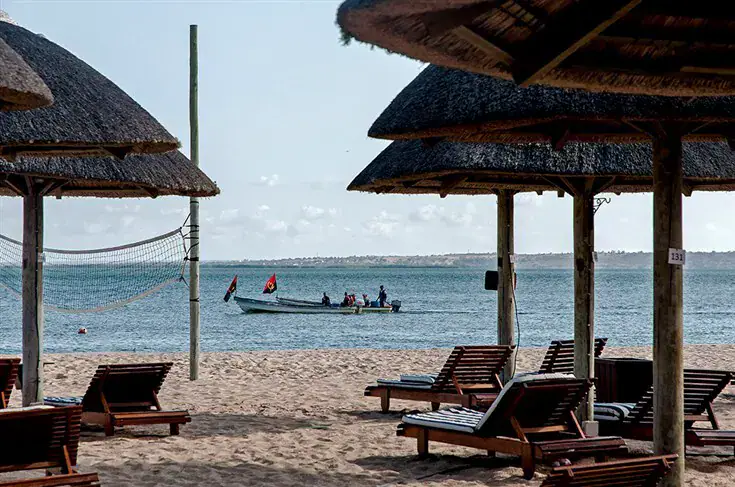
Angola has been recognized as one of the top travel destinations in the world, with the New York Times ranking it 12th in its 2025 list of 52 countries to visit. The country's diverse natural and cultural heritage, including tropical beaches, sacred waterfalls, and unique national parks, was cited as a major draw. However, despite this recognition, the country's tourism sector has a long way to go in terms of infrastructure and services.
The New York Times' reporter was impressed by Angola's natural beauty, highlighting the country's unspoiled beaches, Kalandula Falls, and national parks such as Iona in the Namib Desert. The reporter also noted the integration of the southern region into the Kavango-Zambezi Transfrontier Conservation Area, which spans across Angola, Botswana, Namibia, Zambia, and Zimbabwe. This conservation effort covers an area of approximately 445,000 square kilometers.
The Angolan government has taken steps to boost tourism, including exempting citizens of 90 countries from visa requirements and constructing a new airport with a capacity for 15 million passengers, including 10 million tourists per year. However, despite these efforts, the country's tourism sector still faces significant challenges. The government has also invested heavily in promoting the country's image abroad, including through lobbies and advertising.
According to the World Economic Forum's Travel and Tourism Index, Angola ranks 105th out of 110 countries in terms of its tourism sector. The country scored 3.18 points out of 7, just above countries such as Malawi, Mali, Cameroon, Benin, and Sierra Leone. The index evaluates factors such as business environment, safety, health and hygiene, human resources, and infrastructure.
The World Economic Forum's report highlights the challenges that Angola faces in developing its tourism sector, including improving infrastructure, service quality, and conditions for attracting visitors and private investment. Despite its natural and cultural wealth, the country has struggled to translate this into a competitive tourism industry. The report notes that Angola performed well in only six out of 17 areas evaluated.
The Angolan Ministry of Tourism and Hospitality and the government-controlled media have yet to comment on the World Economic Forum's report, two weeks after its release. The lack of response has been notable, given the government's previous enthusiasm for promoting the country's tourism sector. The silence has sparked concerns that the government may be downplaying the country's challenges in the sector.
Despite some progress, Angola's tourism sector still lags behind other African countries, such as South Africa, Egypt, Cape Verde, and Morocco. To improve its competitiveness, the country will need to address its infrastructure gaps, service quality, and other challenges highlighted in the World Economic Forum's report. The development of the tourism sector could create opportunities for employment and business in areas such as hospitality, transportation, and cultural activities.
Key points
- Angola's tourism sector ranks 105th in the World Economic Forum's Travel and Tourism Index.
- The country has been recognized as a top travel destination, but its tourism sector lags behind due to infrastructure and service challenges.
- The government has invested heavily in promoting the country's image abroad, but has yet to address the challenges highlighted in the World Economic Forum's report.