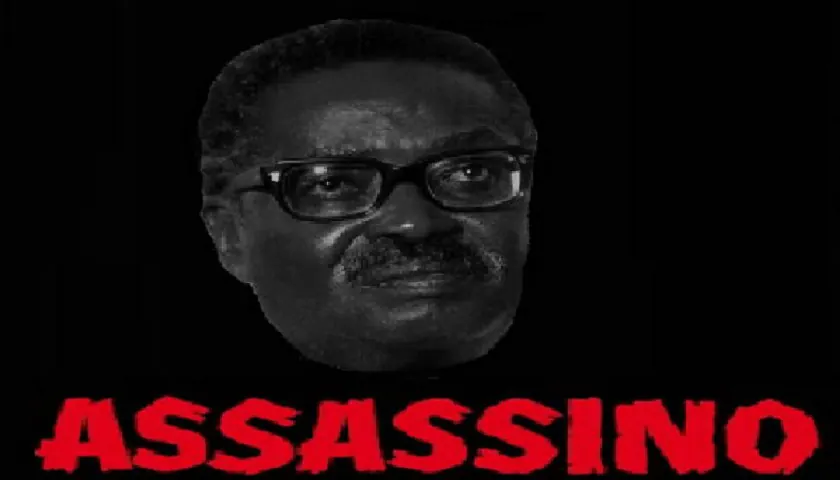
On May 26, 2021, Angolan President João Lourenço requested apologies in the name of the Angolan state for the summary executions carried out during the massacres of May 27, 1977. Lourenço expressed a "sincere repentance" for the killings, which resulted in the deaths of thousands of Angolans. The massacres were ordered by Agostinho Neto, who was then President of the Republic of Angola and President of the MPLA.
The May 27, 1977 massacres were a series of brutal killings that took place in Angola, resulting in the deaths of thousands of people. The victims were mostly accused of being opponents of the MPLA government. The killings were widely condemned, and many survivors and families of the victims have been seeking justice and recognition for years. In 2019, President Lourenço ordered the creation of a commission to develop a plan to honor the victims of political conflicts in Angola between 1975 and 2002.
Despite the president's apology, critics argue that Agostinho Neto, who is still considered the country's national hero, remains unpunished for his role in the massacres. Neto's name is still honored in Angola, with the main airport in the country bearing his name. Many have criticized the MPLA government for its continued reverence for Neto, who is accused of being responsible for the deaths of thousands of Angolans.
In 2016, then-Defense Minister João Lourenço, now President of Angola, defended Neto's legacy, saying that attempts to "denigrate" his image had failed. Lourenço described Neto as a "great leader" and a "humanist" who had treated the poor and vulnerable with kindness. However, critics argue that this stance is inconsistent with the government's recent apology for the massacres.
The issue of accountability for the 1977 massacres remains a contentious issue in Angola. Many survivors and families of the victims have been seeking justice and recognition for years, but critics argue that the government's apology does not go far enough. They argue that the government should take concrete steps to hold those responsible for the killings accountable and provide reparations to the victims and their families.
The Angolan government has established a commission, known as CIVICOP, to develop a plan to honor the victims of political conflicts in Angola. However, critics argue that the government's efforts are insufficient and that more needs to be done to address the legacy of the massacres. They argue that the government should establish a truth and reconciliation commission to investigate the killings and provide a platform for survivors and families of the victims to share their experiences.
The debate over Agostinho Neto's legacy and the 1977 massacres continues to be a contentious issue in Angola. While some argue that Neto was a great leader who fought for Angola's independence, others argue that he was responsible for the deaths of thousands of innocent people and that his legacy should be reevaluated. Ultimately, the issue of accountability and justice for the 1977 massacres remains a pressing concern for many Angolans.
Key points
- President João Lourenço has requested apologies for the 1977 massacres, but critics argue that Agostinho Neto, responsible for the killings, remains unpunished.