The ruling MPLA party in Angola is emphasizing the importance of tourism in driving the country's economic diversification efforts. According to Augusto Laurindo Kalikemala, Secretary of State for Tourism, tourism can stimulate various sectors such as agriculture, industry, transportation, construction, and services. By mobilizing investments and creating jobs, tourism can play a crucial role in Angola's economic growth. The MPLA's focus on tourism comes as the party seeks to reduce the country's reliance on oil exports and promote sustainable economic development.
Kalikemala made these remarks at the 9th edition of the Angola International Tourism Fair (BITUR 2026), where he highlighted the need to strengthen the domestic market and regional cooperation to develop the national tourism industry. He stressed that tourism should not be viewed solely as a leisure activity but as a chain of economic opportunities that can generate permanent revenue. The Secretary of State cited the example of the hotel industry, which relies on a regular supply of agricultural products, meat, fish, furniture, and transportation services, creating opportunities for local businesses and producers.
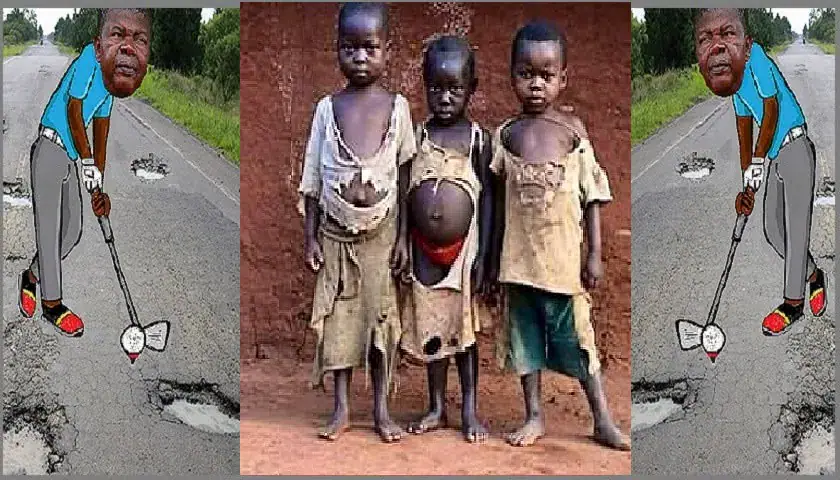
A key priority for the Angolan government is developing domestic tourism, which is seen as a strategic market that can drive growth without relying solely on international visitors. With approximately 20 million poor Angolans, the government aims to tap into this market by promoting affordable tourism options. Kalikemala emphasized that Angola does not need to wait for millions of international tourists to develop its tourism industry, and that domestic tourism should be treated as a strategic market rather than a complementary one.
To stimulate domestic demand, Kalikemala identified the need to increase the purchasing power of the population, particularly the middle class, and create mechanisms that promote productivity and formal employment. He also highlighted the importance of diversifying tourism markets, with Angola seeking to capitalize on opportunities for mobility between African countries and continental economic integration. The government is exploring the creation of joint tourism products with neighboring countries, including Namibia, South Africa, and Zambia.
One proposal is to promote integrated tourism products in areas such as the KAZA, Iona, and Skeleton Coast conservation areas, which span across Angola, Namibia, South Africa, and Zambia. Kalikemala suggested that these destinations could be marketed jointly to attract more visitors. Another challenge facing the tourism sector is the need to use tourism as an instrument of territorial integration, promoting development beyond Luanda and coastal areas. The government is advocating for infrastructure planning that benefits local communities, businesses, and visitors alike.
In terms of financing, Kalikemala acknowledged that there is capital available to support tourism projects but stressed the need for bankable proposals backed by feasibility studies, effective demand, and qualified operators. He emphasized that African countries have sufficient savings to channel into tourism investments and that the focus should be on generating projects that demonstrate effective demand and are supported by infrastructure, logistics, and qualified operators.
The Angolan government aims to consolidate the conclusions of the International Tourism Forum into a document of recommendations to be shared with participants. The government also plans to work with banks, insurance companies, entrepreneurs, and investment funds to create a portfolio of tourism projects supported by feasibility studies and risk-sharing mechanisms. Additionally, Angola intends to collaborate with Namibia, Zambia, and South Africa to establish a framework for cooperation on tourism, including familiarization trips, joint branding, and integrated marketing of complementary tourism products.
Key points
- The MPLA party is promoting tourism as a key driver of Angola's economic diversification efforts.
- Domestic tourism is seen as a strategic market that can drive growth without relying solely on international visitors.
- The government aims to collaborate with neighboring countries to create joint tourism products and promote regional cooperation.
Reporting sources
- MPLA FABRICA PÓLVORA SECA PARA O TURISMO · jornalf8.net