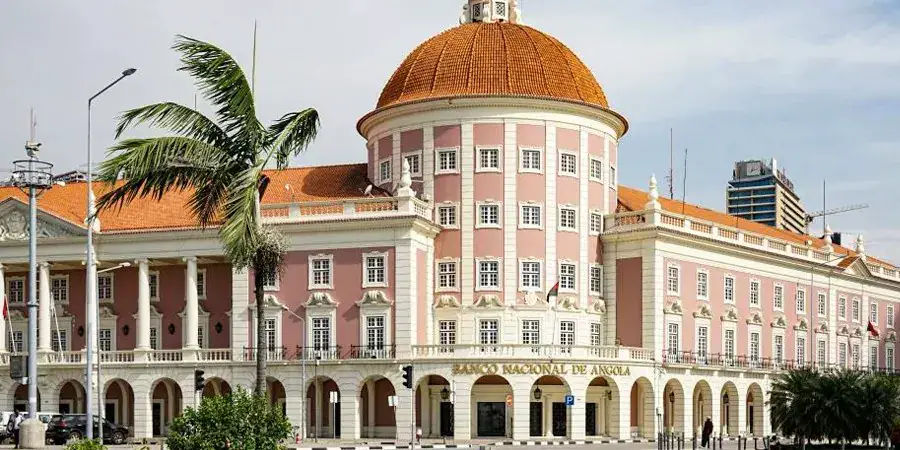
The National Bank of Angola has reduced its benchmark interest rate to 14% after delivering its fourth consecutive cut, citing a decline in annual inflation to its lowest level since March 2015. The rate cut, announced by Governor Manuel Tiago Dias in Saurimo, northeastern Angola, was by 75 basis points on November 17, 2026. This move brings the cumulative easing across this cycle to 550 basis points.
According to Angola's National Statistics Institute, annual inflation fell to 8.16% in October, down from 8.43% in September. This reading marks the lowest inflation rate since March 2015. The continued disinflation and favourable near-term prospects provided policymakers with room to act. The policy rate now stands roughly 5.8 percentage points above annual inflation, maintaining a positive real interest-rate margin.
The reduction in interest rates does not abandon the real-rate protection that has anchored price stability. By cutting rates, policymakers aim to ease financing costs gradually while keeping monetary policy credible. Although borrowing costs remain elevated for companies and households, the direction indicates a gradual decrease. This move signals confidence that disinflation can continue without abandoning real-rate protection.
The easing cycle could strengthen the case for selective credit expansion in Angola. Lower policy rates can improve financing conditions for banks and borrowers over time. However, the transmission into commercial lending depends on various factors, including liquidity conditions, risk pricing, and kwanza stability. These variables will shape the pace of credit recovery and determine how businesses reassess investment plans that were delayed due to elevated financing costs.
Angola's draft 2027 budget assumes economic growth of about 5.5%, based on an average oil price of $71 per barrel. However, Brent crude has been trading near $93 per barrel, well above the assumed price. Higher oil revenues could support fiscal receipts and the external balance. This favourable financial outlook, combined with the easing cycle, presents opportunities for growth.
The recent interest rate decision coincides with broader financial-sector developments in Angola. The Angola credit bureau has gained a sovereign fund as a shareholder, a move that could strengthen credit infrastructure as lending conditions improve. Additionally, the Angola Finance Summit highlighted the country's ambitions to close the African growth gap through improved financial systems.
Investors should closely monitor inflation, the kwanza, and commercial bank lending conditions before pricing in further rate reductions at the next Monetary Policy Committee meeting. The current benchmark interest rate of 14% reflects the central bank's cautious approach to monetary policy, balancing the need to support economic growth with the imperative of maintaining price stability.
Key points
- The National Bank of Angola's decision to cut the interest rate to 14% aims to support economic growth by easing financing costs while maintaining a positive real interest-rate margin.
- The inflation rate in Angola has dropped to 8.16%, its lowest level since March 2015, providing room for policymakers to act.
- The easing cycle could strengthen the case for selective credit expansion in Angola, improving financing conditions for banks and borrowers.
Reporting sources
- Angola interest rate drops to 14% at 11-year inflation low · FurtherAfrica