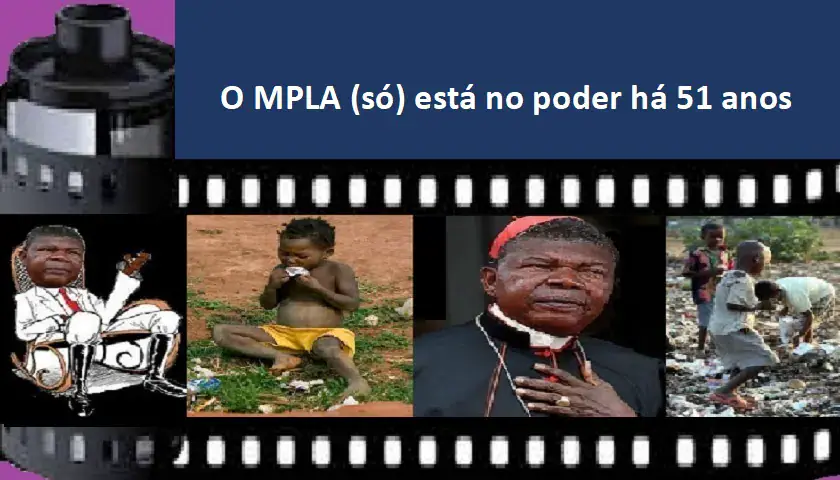
Angola, a country governed by the MPLA for 51 years, is home to nearly 13 million impoverished children who face significant challenges, including limited access to education, nutrition, and clean water. According to the Multidimensional Poverty Index, 44.8% of Angola's approximately 36 million people live in multidimensional poverty, deprived of not only income but also basic services like healthcare, education, and electricity.
The Multidimensional Poverty Index, which was presented in Luanda, marks the first time Angola has conducted a statistical study that specifically examines the conditions of women and children. The report highlights that 69% of children, or 12.8 million, live in multidimensional poverty, with primary deprivations in access to vaccination, disease prevention, cognitive development, and housing.
Women in Angola also face significant challenges, with over 59% living in multidimensional poverty. The main deprivations for women include limited financial autonomy, inadequate housing, and restricted access to sanitation. These findings emphasize the need for increased investment in primary education, maternal and child healthcare, social protection, and women's economic empowerment.
Despite progress, with the poverty rate decreasing from 52% in 2015/2016 to 44.8% in 2023/2024, challenges persist, particularly in rural areas and in the domains of education, healthcare, sanitation, employment, and access to electricity and clean water. The report serves as a strategic instrument for understanding Angola's social reality and defining public policies to reduce poverty and social inequalities.
The study was conducted by the National Institute of Statistics (INE) in partnership with the Oxford Poverty and Human Development Initiative (OPHI), the United Nations Children's Fund (UNICEF), and the United Nations Development Programme (PNUD). The report's findings are expected to guide policy decisions and resource allocation to address poverty and inequality in Angola.
Representatives from UNICEF and PNUD have emphasized the importance of the report, highlighting its potential to inform policy decisions and support efforts to reduce poverty and improve living standards in Angola. The report is seen as a crucial tool for identifying areas of need and targeting interventions to have the greatest impact.
The Angolan government faces significant challenges in addressing poverty and inequality, but the report provides a foundation for evidence-based policy-making and resource allocation. With continued investment in education, healthcare, and social protection, Angola aims to reduce poverty and improve living standards for its citizens, particularly the most vulnerable populations, including children and women.
Key points
- 13 million children in Angola live in poverty, lacking access to basic necessities like education, nutrition, and clean water.
Reporting sources
- PARABÉNS MPLA. ANGOLA SÓ TEM 13 MILHÕES DE CRIANÇAS POBRES · jornalf8.net