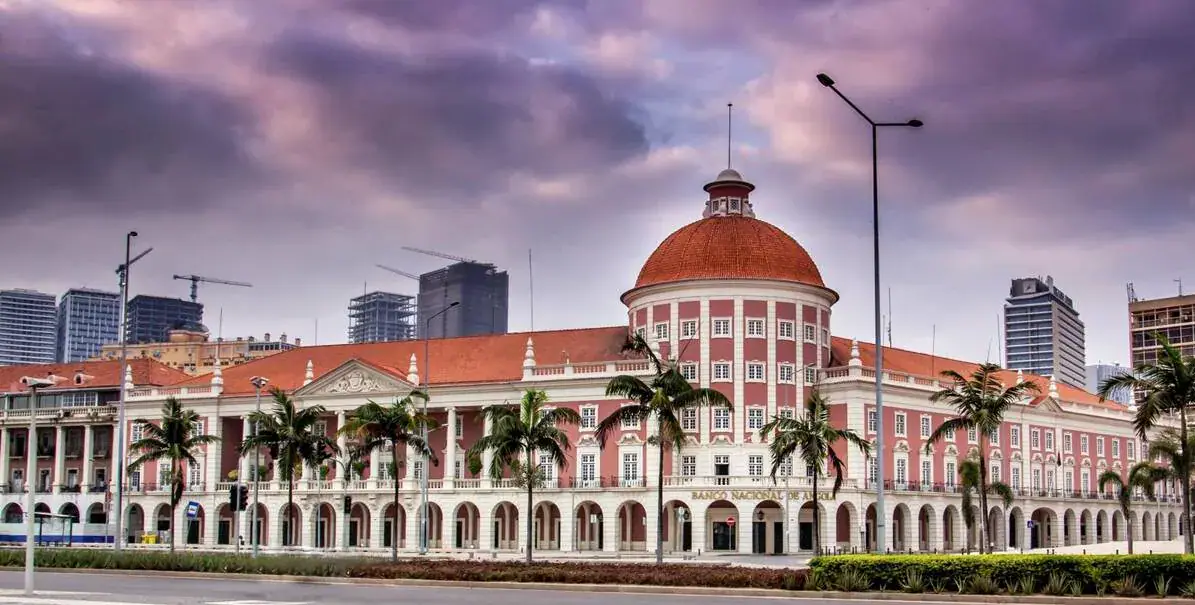
The banking sector in Angola plays a crucial role in the country's economy, providing various financial services such as deposit collection, credit concession, payment processing, and financing of economic activities. As of June 2026, there are 22 banks operating in the country, according to a study published by Eaglestone. The sector comprises institutions with public, private, and foreign capital, all regulated and supervised by the Banco Nacional de Angola (BNA).
The BNA's Annual Report and Accounts for 2025 reveals that the banking sector's total assets reached 26.59 trillion kwanzas, representing a 12.06% growth from the previous year. This growth is attributed to the expansion of digital banking services, the use of the MULTICAIXA network, modernization of payment systems, and increased access to financing. These developments are key components of the national financial system's transformation.
Despite the progress made by Angolan banks, the sector still faces challenges related to financial inclusion, credit to the economy, service quality, security of electronic transactions, and territorial distribution of bank branches. The BNA's report also highlights that the sector's net results reached 951.44 billion kwanzas in 2025, with a growth of 34.06% compared to the previous year.
The banking sector in Angola has a significant presence, with 1,407 bank branches operating at the end of 2025. The sector also employs 18,185 workers, according to the BNA's report. The minimum capital required for commercial banks is 25 billion kwanzas, while banks of development require 50 billion kwanzas, as stipulated by the regulatory framework.
The Fundo de Garantia de Depósitos provides protection for eligible deposits up to a limit of 12.5 million kwanzas per depositor and participating institution. Some major banks, such as BAI, BFA, and Banco Caixa Geral Angola, have shares listed on the BODIVA stock exchange, as of June 2026.
The Angolan banking sector is expected to continue its growth trajectory, driven by digitalization and increased access to financial services. The sector's performance is closely monitored by the BNA, which ensures that banks operate in accordance with regulatory requirements. The kwanza remains the official currency of Angola.
Key developments in Angola's banking sector include a 12.06% growth in assets, 34.06% growth in net results, and 1,407 bank branches operating in the country. The sector's growth is expected to have a positive impact on the country's economy.
Key points
- The banking sector in Angola has 22 active banks, with total assets reaching 26.59 trillion kwanzas in 2025.
- The sector's net results reached 951.44 billion kwanzas in 2025, with a growth of 34.06% compared to the previous year.
- The Fundo de Garantia de Depósitos provides protection for eligible deposits up to a limit of 12.5 million kwanzas per depositor and participating institution.
Reporting sources
- Bancos angolanos: os 22 bancos em actividade em Angola · Hold On Angola