Angola's economy in 2026 is presenting a mixed picture, with signs of slowing inflation and decreasing unemployment. According to the National Institute of Statistics (INE), the inflation rate stood at 8.16% in October 2026, down from 17.43% in October 2025. The unemployment rate also decreased to 20.9% in the third quarter of 2026, from 21.5% in the previous quarter. Despite these improvements, the country still faces significant challenges related to purchasing power, poverty, and informal labor.
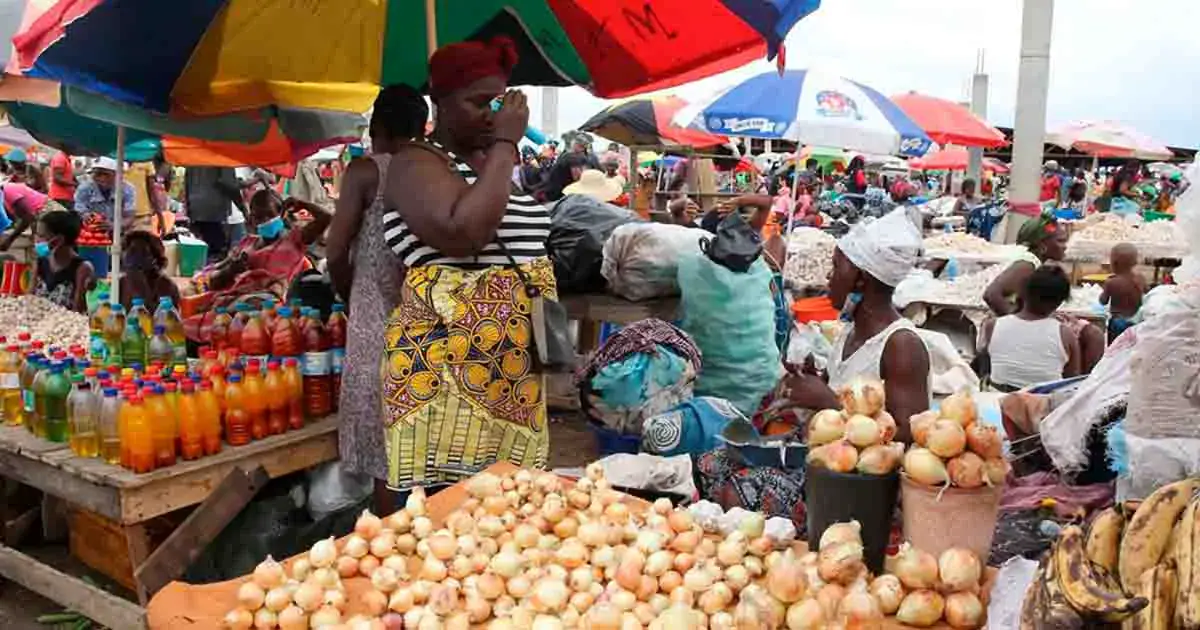
The reduction in inflation is a positive sign, but it does not necessarily mean that prices are decreasing. In fact, the INE reports that the prices of goods and services continue to rise, albeit at a slower pace. The food and non-alcoholic beverages category saw a 9.28% increase in October 2026, while education costs rose by 15.82%. These variations highlight the need for a nuanced analysis of the economy, taking into account the different expense categories and their impact on the population's purchasing power.
Unemployment remains a pressing issue in Angola, particularly among young people. The INE reports that the unemployment rate for individuals aged 15-24 is 39.3%, significantly higher than the overall unemployment rate. This disparity underscores the need for targeted policies to facilitate young people's entry into the job market. Initiatives focused on vocational training, access to first-time employment, and sustainable economic activities are crucial to addressing this challenge.
The quality of work and social protection are also essential considerations in Angola's labor market. Many workers in the informal sector lack access to basic rights and benefits, exacerbating poverty and inequality. To address these issues, the government must implement policies that promote formalization, improve working conditions, and provide social protection for vulnerable populations.
The Angolan government faces a significant challenge in translating macroeconomic stability into opportunities for employment, sustainable incomes, and better public services. While the country's economy is showing signs of improvement, it is essential to prioritize policies that benefit the most vulnerable populations. This includes investing in education and vocational training, promoting entrepreneurship and job creation, and strengthening social protection programs.
The INE's data highlights the need for a comprehensive approach to addressing Angola's economic and social challenges. The government must balance the need for macroeconomic stability with the need to improve living standards for all citizens. This will require careful planning, coordination, and implementation of policies that promote sustainable economic growth, reduce poverty and inequality, and improve access to quality education and healthcare.
Ultimately, the success of Angola's economic strategy will depend on its ability to address the complex interplay between economic growth, poverty reduction, and social protection. By prioritizing the needs of vulnerable populations and promoting sustainable economic development, the government can create a more equitable and prosperous society for all Angolans. Key initiatives, such as investing in education and vocational training, promoting entrepreneurship, and strengthening social protection programs, will be crucial to achieving these goals.
Key points
- The Angolan economy shows signs of improvement, with slowing inflation and decreasing unemployment, but challenges related to poverty, informal labor, and purchasing power persist.
Reporting sources
- Economia angolana 2026: 5 desafios para as famílias · Hold On Angola