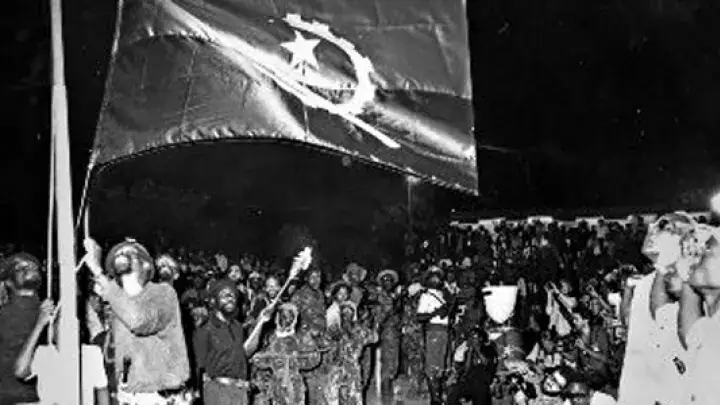
Angola commemorates its 51st independence anniversary today, marking a significant milestone in the country's history. The nation's journey to independence was marked by a long and arduous struggle against colonial rule, which not only exploited the country's resources but also sought to dehumanize its people. As Frantz Fanon, a prominent philosopher, noted, colonialism was a system that made the colonized believe they were inferior. The attainment of independence in 1975 was a crucial step towards reclaiming dignity and self-determination.
The country's first 20 years of independence were marked by significant progress, including the establishment of a national education system, healthcare infrastructure, and a notable increase in the number of Angolans pursuing higher education. However, the nation's economic trajectory has been marred by challenges, including a decline in the value of the local currency, high inflation, and a shortage of jobs for young people. Despite these challenges, Angola's government has made efforts to revitalize the economy, with a focus on diversifying the nation's revenue streams and promoting sustainable growth.
One of the key challenges facing Angola is the need to translate political independence into economic independence for its citizens. Fanon warned that the struggle for independence was only the first step in the process of decolonization and that a new elite could perpetuate the same systems of exploitation and deshumanization. Today, many Angolans continue to face significant economic hardships, including high levels of poverty and unemployment. The government's budget for 2027 has been criticized for failing to adequately address these issues, with some arguing that it prioritizes defense spending over social welfare programs.
The Angolan government's budget, known as the OGE, has been criticized for its lack of transparency and effectiveness. The law governing the OGE grants the head of state significant discretion in allocating funds, which has led to concerns about mismanagement and corruption. According to recent data, the execution of expenditure in the health and education sectors has been below 50%, while defense and security spending has exceeded budgeted amounts. Critics argue that the government's priorities are misplaced and that more needs to be done to address the country's pressing social and economic challenges.
The city of Lubango, once a thriving commercial center, has seen significant changes in recent years. In the 1980s, a local entrepreneur was renowned for his delicious chouriço, a traditional Angolan sausage. Today, the city is home to dozens of similar businesses, reflecting the resilience and entrepreneurial spirit of the Angolan people. However, many small-scale producers and traders continue to face significant challenges, including limited access to finance, markets, and basic services such as electricity and water.
The concept of a "society of open systems" has been proposed as a way to address Angola's development challenges. This approach, inspired by the work of philosopher Karl Popper, emphasizes the importance of transparency, accountability, and citizen participation in decision-making processes. By fostering a more inclusive and participatory approach to governance, Angolans can work together to address the country's pressing challenges and build a more prosperous and equitable future.
As Angola looks to the future, its leaders face significant challenges in balancing the need for economic growth with the imperative of addressing poverty and inequality. The country's projected growth rate of 5.5% for 2027 has raised concerns among some analysts, who argue that it may be overly optimistic given the current economic climate. To achieve sustainable and inclusive growth, Angola will need to prioritize investments in key sectors such as agriculture, education, and healthcare, while also promoting a culture of accountability and transparency in government.
Key points
- Angola's independence anniversary serves as a reminder of the country's progress and ongoing challenges.
Reporting sources
- A Independência, o OGE e o chouriço do Lubango · novojornal.co.ao