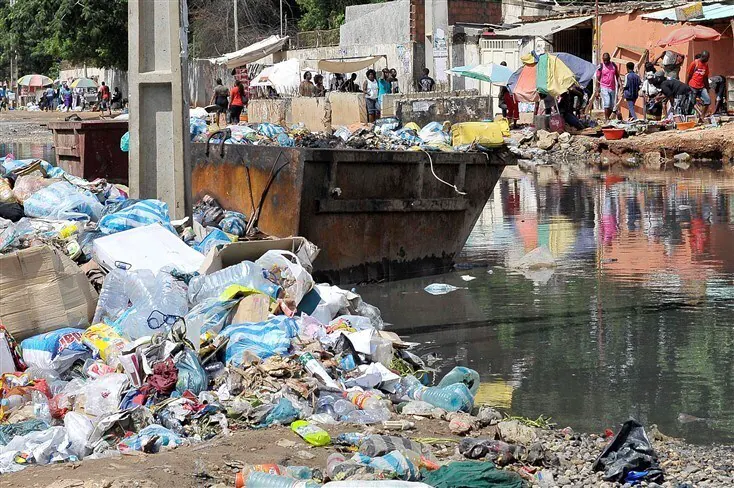
Angola has taken a significant step towards reducing environmental pollution by banning the production, import, and use of certain single-use plastics. As of September 22, 2026, cotonetes and palhinhas with plastic stems, plastic beverage stirrers, and plastic bags with a thickness of less than 50 microns are no longer allowed in the country. This measure is part of the government's efforts to combat the massive pollution caused by these materials, which often end up in rivers and beaches.
The new legislation, which aims to protect the environment in Angola, imposes sanctions on individuals and companies that violate the ban. Particulars can face fines of up to 50 minimum wages, while companies can be fined up to 300 minimum wages. The sanctions are part of a broader plan to eliminate single-use plastics in the country. The government has established a framework for enforcing the ban, with fines that vary depending on the specific situation and the severity of the offense.
The ban is the first phase of a progressive elimination of single-use plastics in Angola, as outlined in the National Action Plan for the Progressive Elimination of Single-Use Plastics (PLANEPP 2025-2027). The plan was approved by Presidential Decree No. 122/25 on May 29, 2025, and regulated by Presidential Decree No. 170/25 on September 22, 2025. The government aims to reduce the flow of single-use plastics into the country's rivers and beaches, which are often polluted with plastic waste.
The ban applies to specific products, including cotonetes and palhinhas with plastic stems, plastic beverage stirrers, and plastic bags with a thickness of less than 50 microns. The government has established a system of fines for individuals and companies that violate the ban, with the aim of deterring the use of single-use plastics. The fines range from a quarter to 50 minimum wages for individuals and from 10 to 300 minimum wages for companies.
In addition to the ban on single-use plastics, the legislation establishes additional restrictions for beaches, conservation areas, and zones classified as cultural or natural heritage sites, as well as museums. In these areas, the acquisition, commercialization, and use of any single-use plastic products or materials are prohibited. The government aims to provide extra protection to areas considered environmentally, culturally, and patrimonially important.
According to Secretary of State for the Environment Iury Sousa Santos, the measure aims to confer a higher level of protection on areas considered of importance environmental, cultural and patrimonial. The government hopes that the ban will help reduce pollution and promote a more sustainable use of plastics in Angola. The implementation of the ban is a significant step towards protecting the country's environment and promoting sustainable practices.
The ban on single-use plastics is a key part of Angola's efforts to address environmental pollution and promote sustainable development. The government has taken a proactive approach to addressing the issue, and the ban is expected to have a positive impact on the country's environment. The implementation of the ban will be monitored, and the government will take steps to ensure compliance with the new regulations.
Key points
- - The ban on single-use plastics in Angola includes cotonetes and palhinhas with plastic stems, plastic beverage stirrers, and plastic bags with a thickness of less than 50 microns. - The ban is part of a broader plan to eliminate single-use plastics in the country, as outlined in the National Action Plan for the Progressive Elimination of Single-Use Plastics (PLANEPP 2025-2027). - The government has established a system of fines for individuals and companies that violate the ban, with the aim of deterring the use of single-use plastics.