The Angolan government, led by the MPLA party, has implemented a ban on the production, importation, and commercialization of single-use plastics with a thickness of less than 0.05 millimeters. This move is part of the National Plan for the Progressive Elimination of Single-Use Plastics (PLANEPP) 2025-2027. The ban includes items such as plastic bags, cups, cutlery, and straws. According to the government, this measure aims to address the growing environmental challenge of plastic waste.
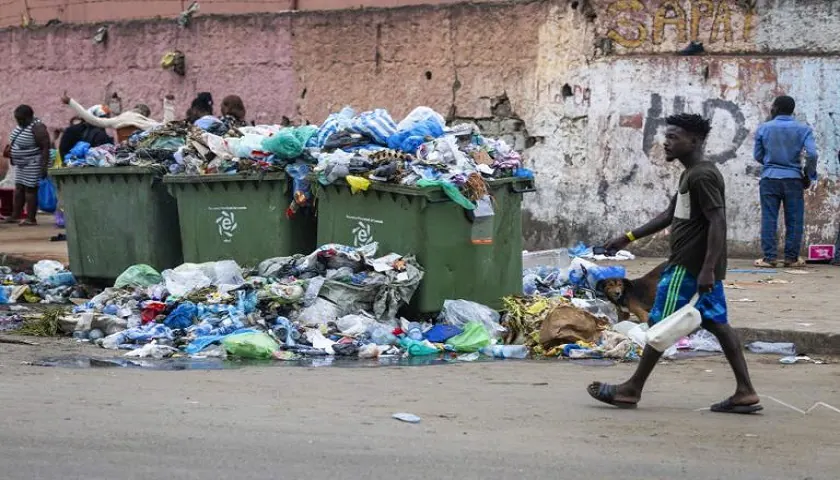
Angola produces 4,560 tons of plastic waste daily, with less than 10% being recycled. The country's Secretary of State for the Environment, Yuri Santos, stated that the majority of plastic waste is not recyclable and ends up in landfills or the environment. He emphasized that the new ban is a crucial step towards reducing the country's plastic waste and promoting sustainable practices. The government also aims to create value from waste and encourage recycling.
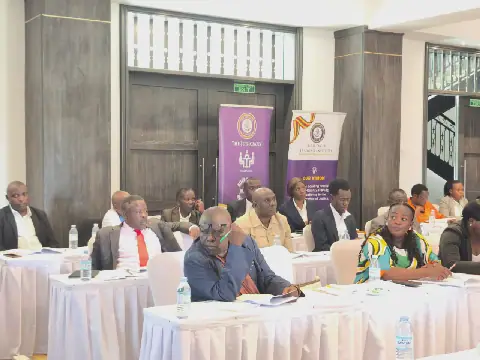
The PLANEPP plan was announced at a press conference in Luanda, and it includes a monitoring report to track progress. The National Inspection Authority for Economic and Food Safety (ANIESA) will be responsible for enforcing the ban. Manufacturers and market operators were given a 12-month tolerance period to adjust to the new regulations. The government is confident that the ban will help reduce the environmental impact of plastic waste.
According to Yuri Santos, plastic waste causes significant harm to the environment, including pollution of waterways, oceans, and soil. He stressed that the elimination of single-use plastics is essential for protecting biodiversity, ecosystems, and public health. The government aims to promote sustainable practices and encourage the use of biodegradable materials.
The country's industrial sector has been preparing for the ban, with 33 factories producing plastic bags. The Secretary of State for Industry, Carlos Manuel Rodrigues, stated that the factories have made adjustments to their production without significant investments. He assured that the government will control the production and importation of plastics and monitor the market to ensure compliance.
The ban on single-use plastics comes with penalties for non-compliance, ranging from 25,000 to 5 million kwanzas (approximately 23 to 4,700 euros) for individuals and 1 million to 300 million kwanzas (approximately 954 to 286,400 euros) for companies. The government is committed to enforcing the ban and promoting sustainable practices.
The implementation of the ban on single-use plastics is a significant step towards addressing Angola's environmental challenges. The government aims to promote sustainable practices, reduce plastic waste, and encourage recycling. The success of the ban will depend on effective enforcement and public awareness campaigns.
Key points
- The ban on single-use plastics is part of Angola's efforts to address the growing environmental challenge of plastic waste.
- The government aims to promote sustainable practices and encourage recycling.
- The ban comes with penalties for non-compliance, ranging from 25,000 to 5 million kwanzas for individuals and 1 million to 300 million kwanzas for companies.