Angola is bracing for the potential impacts of Super El Niño, a climate phenomenon that can bring devastating effects such as floods, droughts, and food insecurity. According to Sérgio Calundungo, coordinator of the Angolan government's Office for the Prevention and Mitigation of Natural Disasters and Complex Emergencies (OPSA), the country's challenge is not just meteorological but also a collective awareness issue. Super El Niño can lead to severe consequences, including loss of crops, reduced pastures, and increased food insecurity.
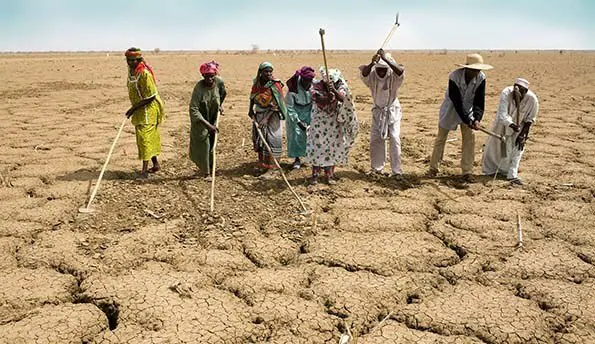
The Super El Niño phenomenon is a natural climate occurrence that alters precipitation and temperature patterns worldwide. In Southern Africa, its effects often manifest as floods, prolonged droughts, water scarcity, and loss of crops. When a particularly intense version occurs, the impacts can be catastrophic. However, history has shown that disasters rarely result solely from natural phenomena; they become tragedies because people are unprepared. The risk exists, but it is not understood, and the signs are often ignored or misinterpreted.
The concept of risk awareness is crucial in mitigating the effects of Super El Niño. For instance, farmers who plant crops as if the next season would be normal, ignoring warnings about extreme weather conditions, or communities that rely exclusively on a single water source during an impending drought, are examples of inadequate risk recognition. In such cases, the problem is not just the climate phenomenon but the inability to act anticipatorily. Recognizing risks and identifying them in time can save lives.
In Angola, understanding these risks can mean anticipating lower agricultural production, increased food prices, displacement of families in search of water and pastures, and heightened local conflicts over natural resources. Those aware of these risks can begin preparing by paying attention to warning signs, such as changes in rainfall patterns, drying rivers, deteriorating pastures, or continuous price increases in markets. These are not isolated events but indicators of a deeper issue.
Preparation for the potential impacts of Super El Niño must begin well before an emergency arises. Families can diversify their income sources and reinforce food reserves. Farmers can adapt agricultural calendars and adopt more drought-resistant techniques. Authorities can strengthen climate monitoring systems and create contingency plans. Civil society organizations can raise community awareness and support local resilience strategies. While these actions do not eliminate risk, they reduce vulnerability.
It is essential to avoid a false sense of security, as past experiences do not guarantee that the next crisis will have the same intensity. Complacency is often a significant enemy of preparedness. Just as a security professional learns to observe their surroundings, society must learn to observe the climate environment. The question should not be just "What is happening today?" but also "What could happen tomorrow if we do not act now?".
Key points
- Experts stress the need for collective awareness and preparedness to mitigate the impacts of Super El Niño in Angola.