The African National Congress (ANC) has suffered a significant decline in popularity in South Africa, losing nearly a third of its support in the recent local elections. According to provisional results, the ANC remains the largest party in the country but with a substantially lower score compared to previous elections. This decline translates to a loss of around 15 percentage points compared to the previous local elections.
The ANC, which has been in power since the end of apartheid, has seen its support erode due to growing discontent among the population. High unemployment, water scarcity, frequent power outages, inadequate public services, and a sense of insecurity in several cities have contributed to this decline. At its peak, the ANC had garnered nearly 70% of the vote, but its dominant position is now being challenged.
The ANC's decline has led to a more fragmented political landscape in South Africa. The party, which played a crucial role in ending apartheid and ushering in democracy in 1994 under Nelson Mandela's leadership, is now facing increased competition. The Democratic Alliance has emerged as a significant challenger, and the ANC's status as the largest party is being questioned.
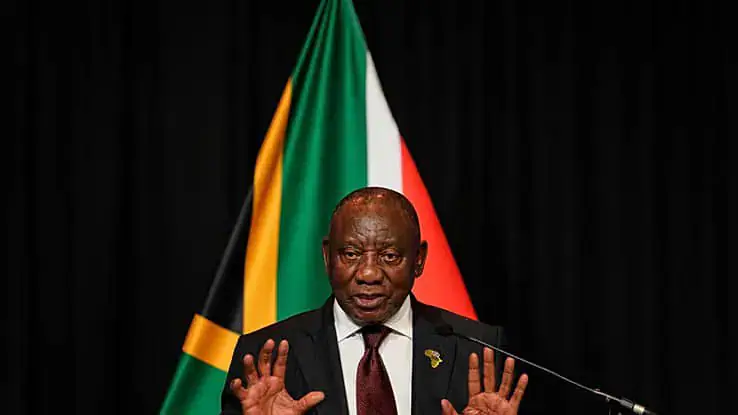
In response to the election results, President Cyril Ramaphosa acknowledged the expectations of South Africans, who want to "live better" and have access to more jobs, opportunities, and essential services like water, electricity, and well-maintained cities. Ramaphosa's comments highlight the need for the ANC to address the pressing issues facing the country and its citizens.
Despite its decline, the ANC remains the largest party in South Africa, ahead of the Democratic Alliance. However, the party's loss of support has created uncertainty about its future dominance. The ANC has been the dominant force in South African politics for three decades, but its declining popularity has raised questions about its ability to maintain its position.
The ANC's decline has been attributed to its failure to address the country's pressing issues, including high unemployment and inadequate public services. The party's leadership has acknowledged these challenges and has pledged to work towards addressing them. However, it remains to be seen whether the ANC can regain the trust of its supporters and maintain its position as the largest party in South Africa.
The recent local elections have marked a significant turning point in South African politics, with the ANC's decline creating opportunities for other parties to gain traction. As the country moves forward, it will be crucial for the ANC to address the concerns of its citizens and work towards regaining their trust. The party's ability to adapt to the changing political landscape will be critical in determining its future success.
Key points
- ANC loses nearly a third of its support in recent local elections
- Party's decline attributed to growing discontent over unemployment, public services
- ANC's dominant position challenged as Democratic Alliance gains ground