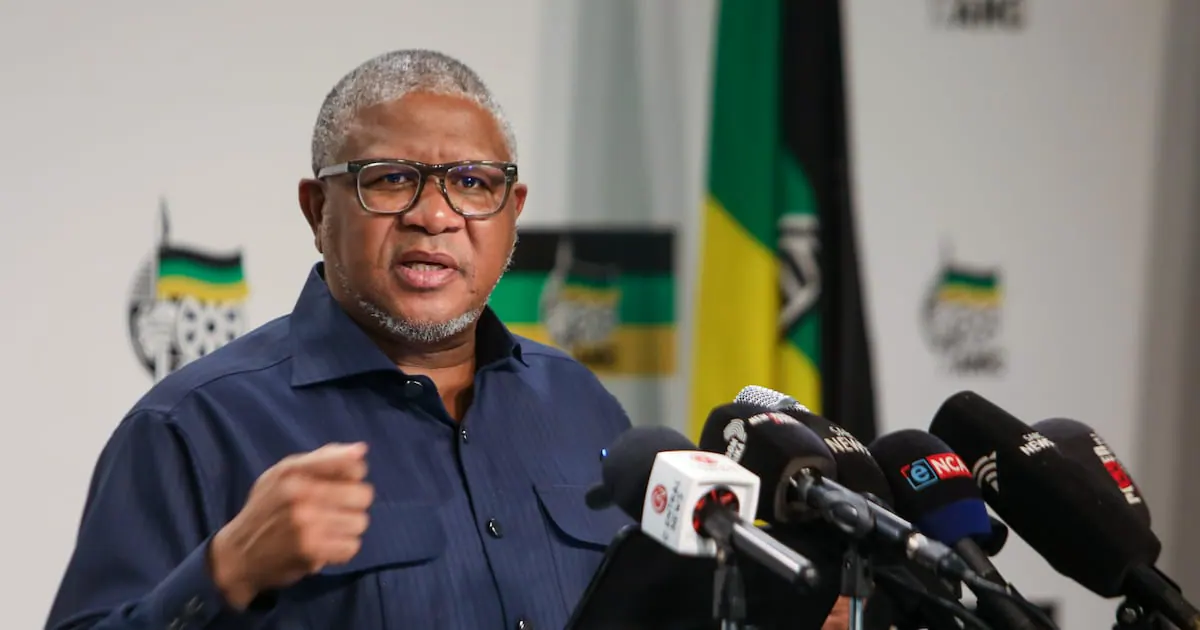
A recent report by the Mistra Coalitions Barometer 2026 has found that the African National Congress (ANC) was the largest party in 117 out of 175 administrations in hung councils in South Africa since 2021. However, despite its size, the ANC joined government in only 71 of those administrations and held the mayoralty in 55. The report examined coalition governments in 80 municipalities and noted that the ANC was the only party to hold seats in every council in the dataset.
The report revealed that the ANC converted its position as the largest party into government less often than the Democratic Alliance (DA) and the Inkatha Freedom Party (IFP) when they held a plurality. In councils where the ANC held a plurality, it joined government 61% of the time and held the mayoralty 47% of the time. In comparison, the DA joined government 63% of the time and held the mayoralty in all 24 instances where it was the largest party. The IFP joined government 73% of the time and held the mayoralty 69% of the time.
The ANC's performance in converting its plurality into office was particularly poor when compared to other parties. The report found that the ANC lost ground at both steps, converting a plurality into membership and membership into the mayoralty, less often than the DA and IFP. Furthermore, when the ANC did join government, it did not always take the mayoralty, with the mayoralty going to a smaller partner in more than a fifth of cases.
Despite its struggles in converting numbers into control, the ANC's presence in government grew over time. The report recorded 90 administrations in which the ANC was in government, with its participation increasing from 45.6% of coalition-governed councils in 2021 to 68.4% in 2025. The ANC's most common coalition partner was the Patriotic Alliance (PA), with 18,616 shared days, followed by the Economic Freedom Fighters (EFF) with 12,638 days.
The report also highlighted the role played by smaller parties in coalition governments. There were 103 different parties in the dataset that held at least one seat, with 64 of these parties being a coalition member at some point. The PA, for example, held seats in 75 administrations but was never the largest member of a government, yet it held the mayoralty nine times, all in ANC-anchored governments.
The report found that coalitions excluding the largest party were less stable, with coalitions that governed without the plurality party collapsing at about four times the rate of those that included it. However, when the ANC did lead a coalition government, those administrations tended to last longer than the average administration in the dataset, with a median lifespan of 1,056 days.
The Mistra Coalitions Barometer 2026 report provides valuable insights into the complex world of South African local politics. The report's findings have significant implications for the ANC and other parties as they navigate the challenges of coalition governments. The ANC's inability to convert its numbers into control is a concern, but its growing presence in government is a positive trend.
Key points
- ANC largest party in 117 administrations but joins government less often than DA and IFP
- ANC's presence in government grew from 45.6% in 2021 to 68.4% in 2025
- Coalitions excluding largest party less stable, but ANC-led coalitions tend to last longer