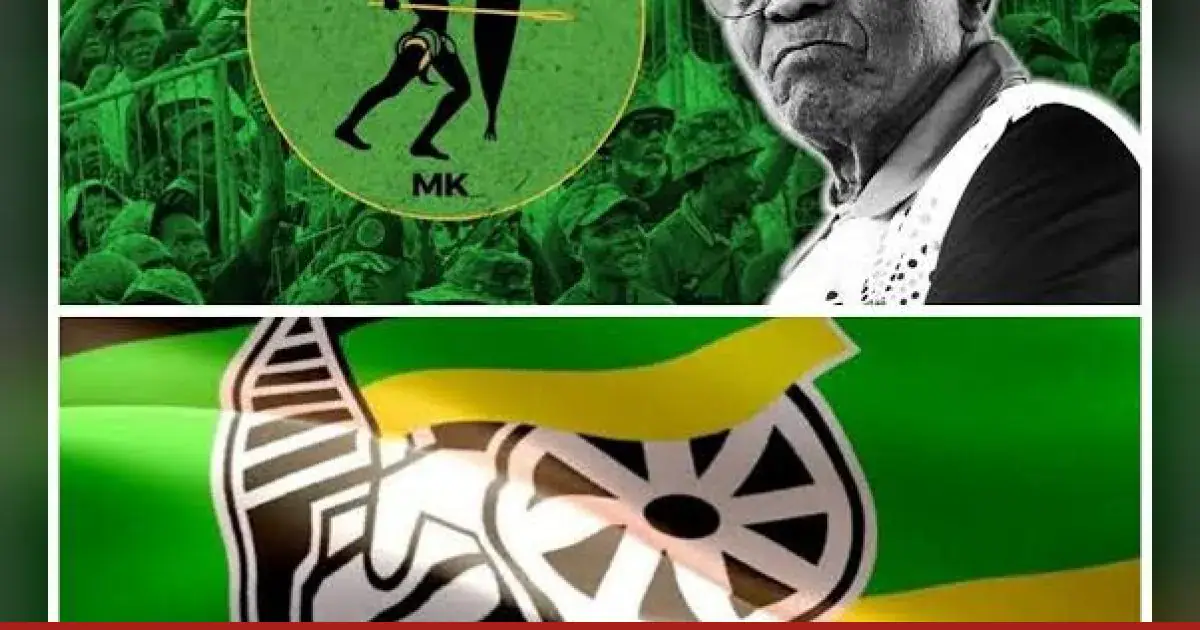
The African National Congress (ANC) and the uMkhonto weSizwe Party (MKP) have formed an alliance to work together in all local councils where both parties are represented. This agreement, known as the Municipal Cooperation Accord, was sent to larger political parties in councils across South Africa on November 20, 2026. The accord binds signatories to a contractual agreement, requiring parties to consult one another on major council decisions while maintaining their own identity and caucus.
The Municipal Cooperation Accord is not exclusive to the ANC and MKP, as other parties such as the EFF, ActionSA, and the IFP have also agreed to cooperate with the ANC in councils where they are represented. Under the accord, parties in each council will establish a Cooperation Council, where each party's caucus leader will have a single vote, regardless of the number of seats held. This arrangement stops short of a merger, allowing parties to maintain separate caucuses and campaign under their own names.
The ANC and MKP have a history of rivalry, particularly in KwaZulu-Natal, where the MKP was formed by supporters of former president Jacob Zuma after his break with the ANC in 2024. The November 2026 local government elections saw the MKP become the largest party in 19 KwaZulu-Natal councils, including the eThekwini metro, while the ANC leads in three. The two parties agreed in principle on November 16, 2026, to cooperate in the province, with the MKP expected to take mayoral and deputy mayoral posts in eThekwini.
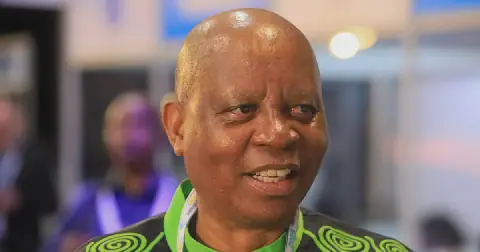
The Gauteng metros are also expected to be controlled by a coalition of the ANC, EFF, ActionSA, and MKP, who hold enough seats to govern in each of the three hung metros. ActionSA leader Herman Mashaba is set to become mayor of Johannesburg, while ActionSA's Nasiphi Moya would keep Tshwane, and the ANC would nominate the mayor of Ekurhuleni. The DA has made a counter-offer, proposing a national framework for the 137 hung municipalities under which the ANC would lead 93, the DA 24, and the IFP 20.
Not everyone in the ANC agrees with the coalition arrangement with the MKP. Durban political analyst Professor Musa Xulu argued that it would be "suicidal both politically and administratively" for the ANC to go into a coalition with the MKP, as the ANC would carry the blame for any failures in the city ahead of the 2029 general election. The ANC's National Executive Committee was due to meet to settle its position on coalition arrangements as parties race to constitute new councils.
The Municipal Cooperation Accord has been seen as a significant development in South African politics, with the ANC and MKP putting aside their differences to work together in local councils. The accord is expected to bring stability to hung councils and allow for more effective governance. However, the DA has expressed concerns about being excluded from the Gauteng talks, with leader Geordin Hill-Lewis calling it "a profound error."
The coalition arrangements are expected to have a significant impact on the governance of South African municipalities, with the ANC and MKP working together in various councils. The EFF, ActionSA, and IFP are also expected to play key roles in the coalitions, with the DA proposing a national framework for hung municipalities. The outcome of these arrangements will be closely watched as parties navigate the complexities of coalition politics in South Africa.
Key points
- The ANC and MKP have formed a municipal cooperation accord to work together in local councils.
- The accord is not exclusive to the ANC and MKP, with other parties such as the EFF, ActionSA, and IFP also agreeing to cooperate.
- The coalition arrangements are expected to have a significant impact on the governance of South African municipalities.