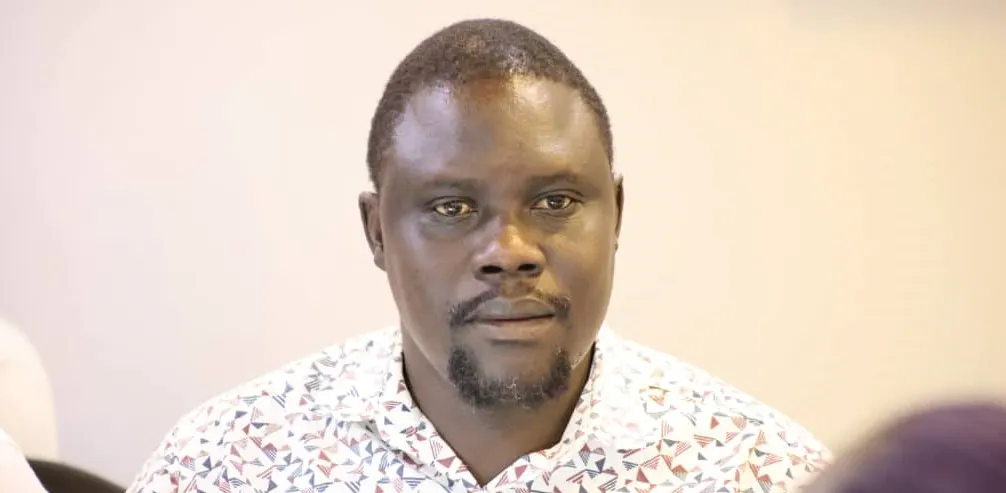
A South Sudanese policy analyst has called on the government to pardon political detainees, including former First Vice President Riek Machar, ahead of the country's planned December elections. Boboya James Edimond, Chief Executive Officer of the Institute of Social Policy Research, stated that elections alone would not resolve South Sudan's political crises unless accompanied by reconciliation and inclusion of political groups outside the 2018 peace agreement.
Edimond's comments come as South Sudan prepares for elections scheduled for December 22, following President Salva Kiir's dissolution of the transitional unity government on September 22 and the appointment of a caretaker administration. Machar and other vice presidents were removed from their positions as part of the changes. Machar remains on trial in Juba alongside seven co-defendants over violence in Nasir, Upper Nile State, in March 2025.
The analyst urged the government to encourage political groups not party to the Revitalised Agreement on the Resolution of the Conflict in South Sudan (R-ARCSS) to return to the political process. He called for the pardon of political detainees, saying the government should use the current period to reach out to opponents and rebuild trust before the elections. Edimond emphasized the need for a new spirit to move forward and resolve problems through dialogue.
Edimond's call for an inclusive political process is echoed by some opposition groups and civil society organisations, which have separately called for a more inclusive national political dialogue involving the government, opposition movements, and stakeholders. The inter-party dialogue in Juba ahead of the elections has been attended by political parties and other stakeholders.
The analyst also emphasized the need for the fulfilment of outstanding provisions of the 2018 peace agreement, saying unresolved issues could undermine efforts to achieve lasting stability. He urged political parties seeking power through the elections to make written commitments on issues including completing the permanent constitution-making process and reforming local government.
Edimond called for the judiciary, parliament, and executive to operate independently, arguing that a functioning constitutional system would provide peaceful mechanisms for resolving political disputes. The United Nations Commission on Human Rights in South Sudan has warned that elections without adequate safeguards could fuel further confrontation and armed violence.
Edimond concluded that South Sudan needed to move away from political confrontation and build a system based on constitutionalism, accountability, and inclusion. He urged stakeholders to build bridges, reach out to each other, and discuss issues as a family.
Key points
- The analyst urged the government to pardon political detainees, including Riek Machar, ahead of the December elections.
- Edimond called for an inclusive national political dialogue involving the government, opposition movements, and stakeholders.
- The analyst emphasized the need for the fulfilment of outstanding provisions of the 2018 peace agreement to achieve lasting stability.