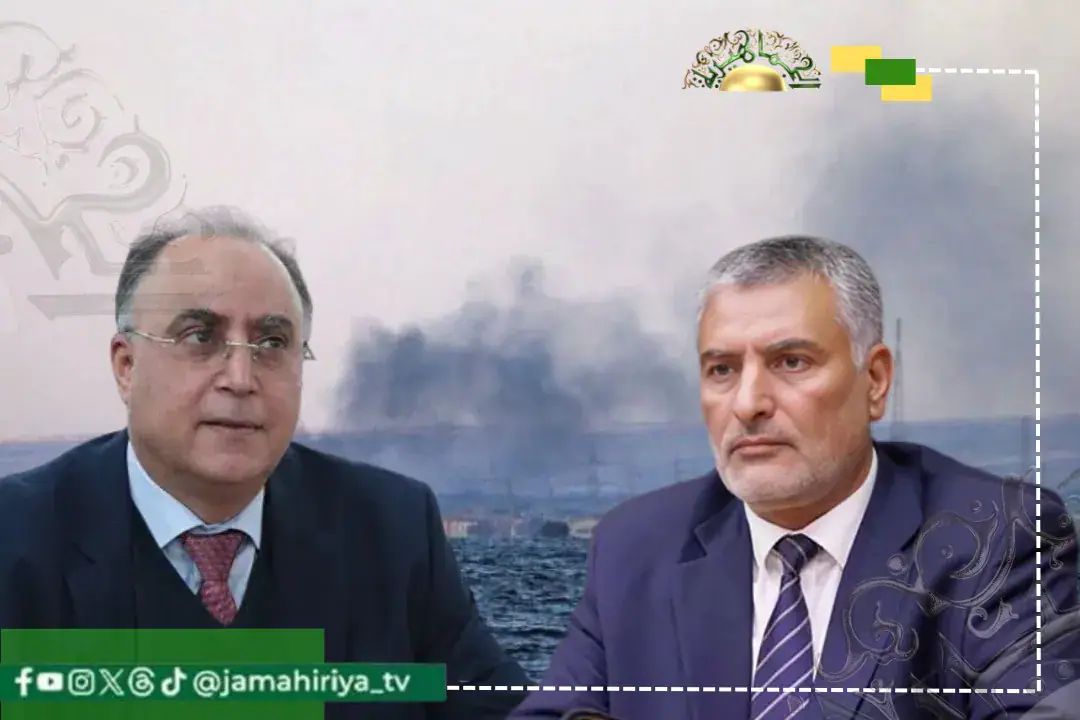
Libyan political analyst Ibrahim Asweit has expressed skepticism about the success of a recent initiative by the country's parliament. The initiative aims to unify institutions and accelerate the electoral process. Asweit stated that while the initiative is important, it is unlikely to be a solution to the country's ongoing crisis. He noted that the political will to resolve the crisis is still lacking among the parties involved.
Asweit made his comments in a statement reported by the Emirati news site Ermt News. He emphasized that the current situation in Libya is characterized by a lack of political will to resolve the crisis. According to Asweit, each party is benefiting from the ongoing stalemate. The analyst's comments come amid a series of attacks on the city of Benghazi.
The attacks, which occurred on Sunday, targeted a Russian warship and a commercial vessel off the coast of Benghazi. Ukrainian President Volodymyr Zelenskyy has claimed that Ukraine was behind the attacks, which were carried out using drones and explosive boats. The attacks have raised concerns about the escalation of the conflict in Ukraine and its impact on Libya.
Asweit argued that the attacks on Benghazi require a more serious response from all parties involved. He stated that condemnation alone is not enough and that a more concerted effort is needed to address the crisis. The analyst noted that Libya is gradually becoming a new arena for a conflict that is not of its making.
The Libyan parliament's initiative calls for the formation of a joint committee to develop a roadmap for unifying the country's institutions and holding elections. The committee would comprise representatives from each electoral district, with a co-chair from each of the two main councils. However, Asweit's comments suggest that the success of such an initiative is uncertain.
The ongoing crisis in Libya has been marked by a deepening division between the country's main institutions. The situation has been exacerbated by the presence of foreign military forces and the escalation of the conflict in Ukraine. Asweit's comments highlight the need for a more concerted effort to address the crisis and restore stability to the country.
The international community has been closely watching the developments in Libya, with many countries calling for a peaceful resolution to the crisis. The situation in Libya remains complex, with many parties involved and competing interests at play. A lasting solution will require a sustained effort from all parties to find a mutually acceptable solution.
Key points
- Analyst Ibrahim Asweit questions the success of Libyan parliament's initiative to unify institutions and hold elections.
- Recent attacks on Benghazi by Ukrainian forces have raised concerns about the escalation of the conflict in Ukraine and its impact on Libya.
- The Libyan crisis has been marked by a deepening division between the country's main institutions and the presence of foreign military forces.