In most third world countries, particularly in their capitals, a tight-knit group surrounds leaders in top constitutional positions. This group, often consisting of individuals with personal connections rather than merit, manages offices, crafts letters, schedules appointments, and guards doors. They are typically chosen based on factors like tribal affiliations, family ties, or cronyism rather than competence. This pattern has been observed across various nations, suggesting a systemic issue that can lead to governmental instability.
Historically, since 1945, it's rare to find a third world government that collapsed solely due to external factors without internal dynamics playing a role. Often, those close to leaders are not selected for their skills but for personal relationships. This can lead to a lack of real achievements and development for the populace. Instead, these inner circles focus on personal gains, leading to widespread corruption and inefficiency. The consequences can be severe, including economic stagnation and erosion of public trust.
The renowned historian Ibn Khaldun noted centuries ago that poor selection of aides is akin to a "blatant attempt at state suicide." These inner circles can blind leaders to justice and enable corruption. As states fail to address challenges effectively, their downfall begins internally, often sparked by the very individuals closest to those in power. A notable example is Sudan, where former President Omar al-Bashir's inner circle, particularly his former director of the office, Tahir Osman Hussain, played a significant role in his eventual ousting in April 2019.
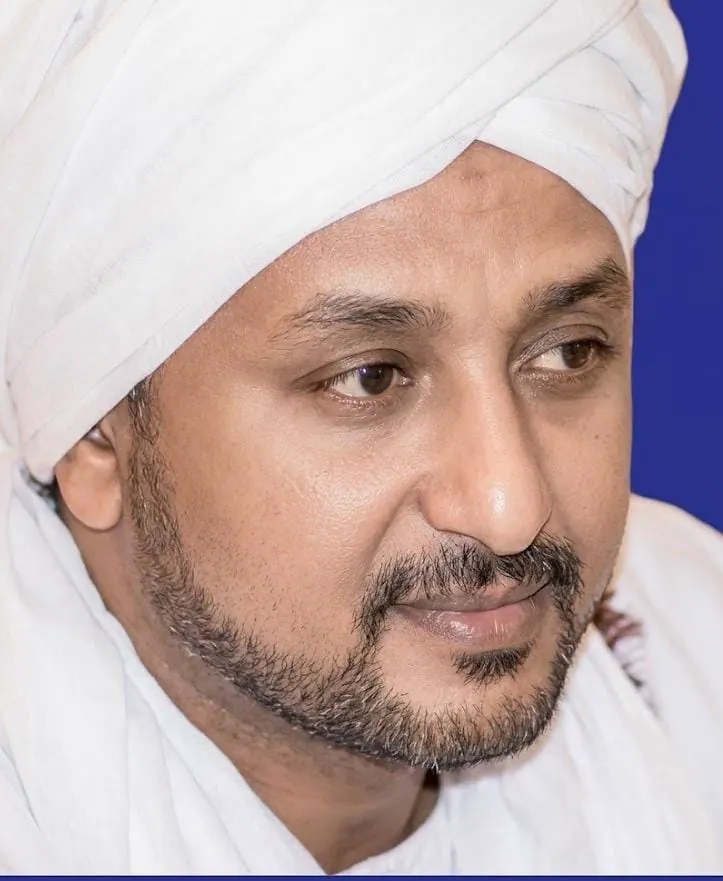
Tahir Osman Hussain, who rose rapidly through the ranks due to his proximity to President Bashir, exemplifies the dangers of unchecked power and corruption within an inner circle. Hussain was not only a key advisor but also amassed considerable wealth and influence, reportedly receiving large sums of money from external sources. His actions contributed to the regime's collapse, illustrating how internal corruption can precipitate a government's downfall.
The phenomenon is not unique to Sudan. In Chad, the former director of the president's office was prosecuted for corruption and faced a prison sentence. In Ukraine, the director of the president's office resigned amid a large-scale corruption investigation. These cases highlight a broader issue where the inner circles of power, driven by personal gain rather than public service, undermine governmental legitimacy and effectiveness.
The pattern of corruption and nepotism within inner circles has been observed in various countries, including Tunisia, where the Trabelsi family's control over the economy and national wealth led to widespread discontent and ultimately, the 2011 revolution. Similarly, in Uganda, President Yoweri Museveni's appointments of family members to high-ranking positions have been criticized for perpetuating corruption and cronyism.
To break this cycle, experts argue that governments must prioritize merit-based appointments and implement robust anti-corruption measures. This includes ensuring transparency in governmental appointments and holding those in power accountable for their actions. Until then, the risk of government collapse due to internal corruption and incompetence will remain a significant threat to stability in many third-world countries.
Key points
- Merit-based appointments and robust anti-corruption measures are crucial for preventing government collapse in third-world countries.