Nigeria is facing a significant shortage of skilled anaesthesia professionals, which could compromise emergency, trauma, and critical care delivery, and hinder progress towards Universal Health Coverage (UHC). Dr Stephen Akeremale, a flight physician and emergency medical services practitioner, highlighted this concern, emphasizing the need for expanded advanced training in anaesthesia and airway management.
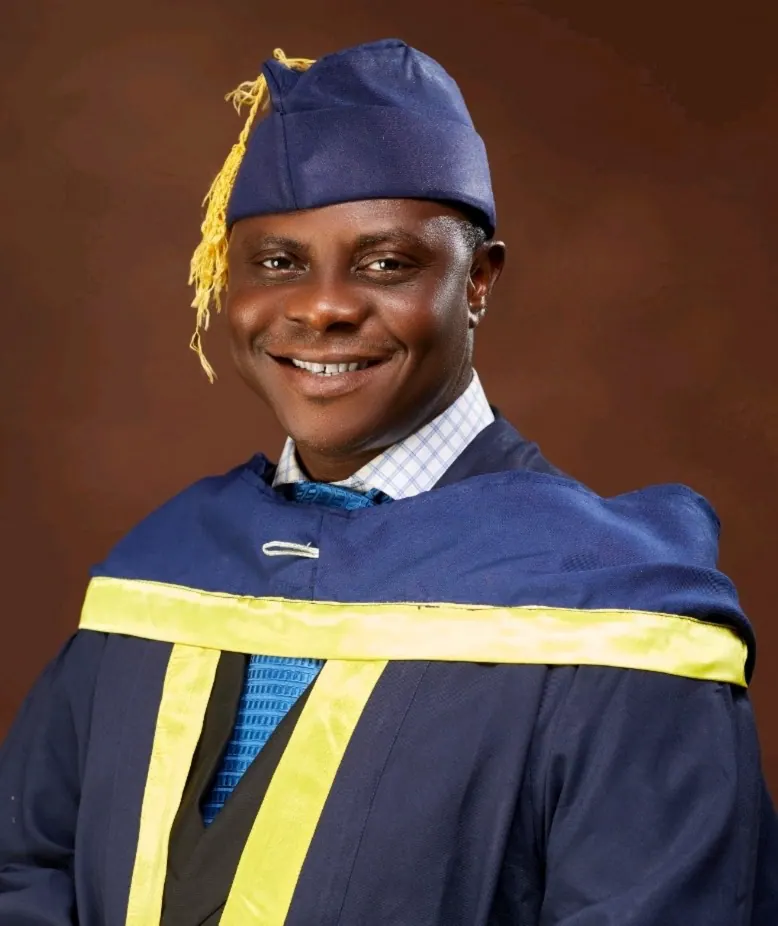
Dr Akeremale, Managing Director of Braingrace Ambulance Services Limited, made these remarks in Lagos after graduating from the School of Anaesthetic Studies, Badagry, with a Diploma in Anaesthesia accredited by the West African College of Surgeons (WACS). The school recently graduated 76 healthcare professionals, including 24 nurse anaesthetists and 52 anaesthetic technicians.
The School of Anaesthetic Studies has secured full WACS accreditation for its Diploma, Membership, and Fellowship programmes, a development described as a significant boost to Nigeria's anaesthesia workforce by the school's Coordinator, Dr Abiola Aduke Mafe. Four registrars achieved a 100 per cent pass in the Part 1 examinations, while another candidate became a Fellow of the National Postgraduate Medical College of Nigeria.
Anaesthesia is no longer confined to the operating theatre but has become critical to intensive care, emergency medicine, trauma care, pre-hospital services, and aeromedical operations, Dr Akeremale noted. He emphasized that for emergency ambulance services and air medical transport, there is no room for uncertainty when a patient's airway becomes compromised.
Dr Akeremale's experience in emergency medical services and medical evacuation informed his decision to pursue advanced anaesthesia training. As a Flight Physician, he regularly participates in medical evacuations and medical escort operations involving patients transported by air and road, where patients may deteriorate unexpectedly, requiring advanced airway management.
The training has strengthened Dr Akeremale's knowledge and competence in airway management, critical care, sedation, pain control, monitoring, ventilatory support, and emergency response. He urged doctors, nurses, and other health professionals to consider specialization in anaesthesia and critical care, stressing that Nigeria needs more professionals with advanced skills in airway management and emergency care.
Dr Akeremale emphasized that acquiring new skills in medicine represents another opportunity to save a life, and that studying Anaesthesia was not simply about earning a diploma but about acquiring the knowledge, competence, and confidence necessary to secure human life. The late Commodore Dr Olaniyi Oladapo, the school's pioneer coordinator, was remembered and commended for his role in establishing and developing the institution.
Key points
- Nigeria faces a shortage of skilled anaesthesia professionals, which could undermine emergency care and Universal Health Coverage goals.
- Expanded advanced training in anaesthesia and airway management is essential to strengthening Nigeria's capacity to respond to patients during emergencies.
- Anaesthesia is critical not only in operating theatres but also in intensive care, emergency medicine, trauma care, pre-hospital services, and aeromedical operations.