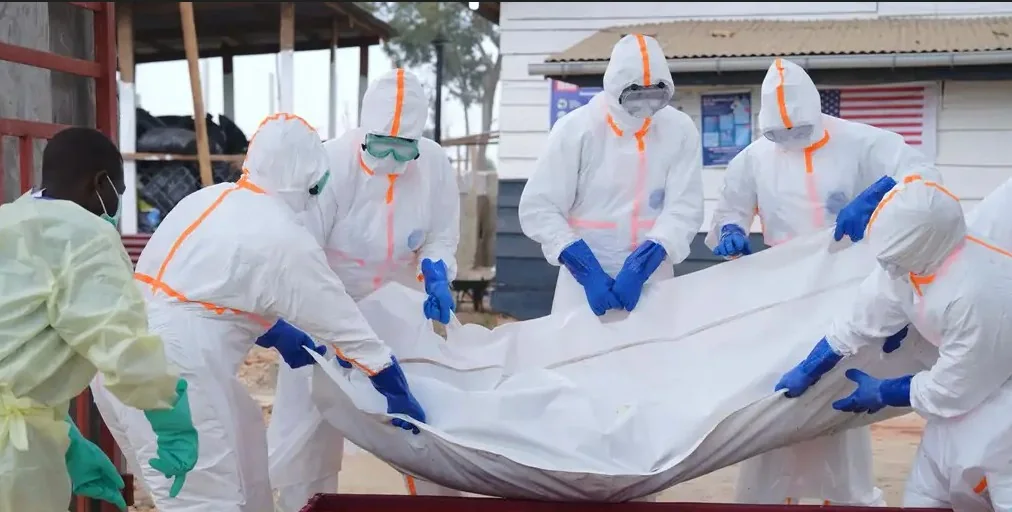
Amnesty International Kenya has appealed to the government to protect human rights while managing the country's first imported case of Bundibugyo Ebola virus disease. The organization cautioned that public-health actions must not lead to heavy-handed policing, surveillance, or discrimination. This appeal was made in response to the Ministry of Health's confirmation of the case, which involved a Kenyan citizen who had been residing in the Democratic Republic of Congo.
The patient, who travelled via Uganda before arriving in Nairobi on October 3, later died. Following the confirmation, the Ministry of Health launched contact-tracing operations, identifying 28 initial contacts and monitoring 23 passengers and four crew members from the flight, alongside quarantine protocols. Amnesty International Kenya emphasized that quarantine and other measures should be humane and respect fundamental freedoms.
Amnesty International Kenya stressed that health interventions should not compromise human dignity. The organization urged that contact-tracing be limited to data essential for public-health purposes, with clear explanations of how the information will be used, to avoid indiscriminate surveillance. They also called for strict confidentiality of patients' identities, warning against public disclosure of details about suspected or confirmed cases.
Regarding quarantine, Amnesty International Kenya emphasized that it is an infection-control tool, not a criminal sanction. Those placed in quarantine must receive adequate accommodation, safe food, clean water, sanitation, medical care, and psychosocial support. The organization recommended that quarantine decisions be based on infection-risk assessments, prioritizing home quarantine where safely possible.
Amnesty International Kenya also called for the protection of healthcare and frontline workers through the provision of personal protective equipment, infection-prevention training, occupational health support, and psychosocial care. The organization warned that the outbreak must not trigger stigma or hostility toward Congolese nationals, refugees, migrants, traders, or border-area communities.
Amnesty International Kenya stressed that Ebola is a disease, not a nationality, and urged the government to ensure that the response to the outbreak does not lead to xenophobia or discrimination. The organization also emphasized the importance of transparent public communication, protection of freedom of expression, and media freedom.
Finally, Amnesty International Kenya called for independent oversight of quarantine facilities, data handling, and resource use. The organization will continue to monitor the situation and advocate for human rights to be protected during the response to the Ebola outbreak.
Key points
- Amnesty International Kenya warns against excessive surveillance and discrimination in response to the country's first imported Bundibugyo Ebola case.
- The organization emphasizes the importance of humane quarantine measures and protection of healthcare workers.
- Amnesty International Kenya calls for transparent public communication and independent oversight of quarantine facilities.