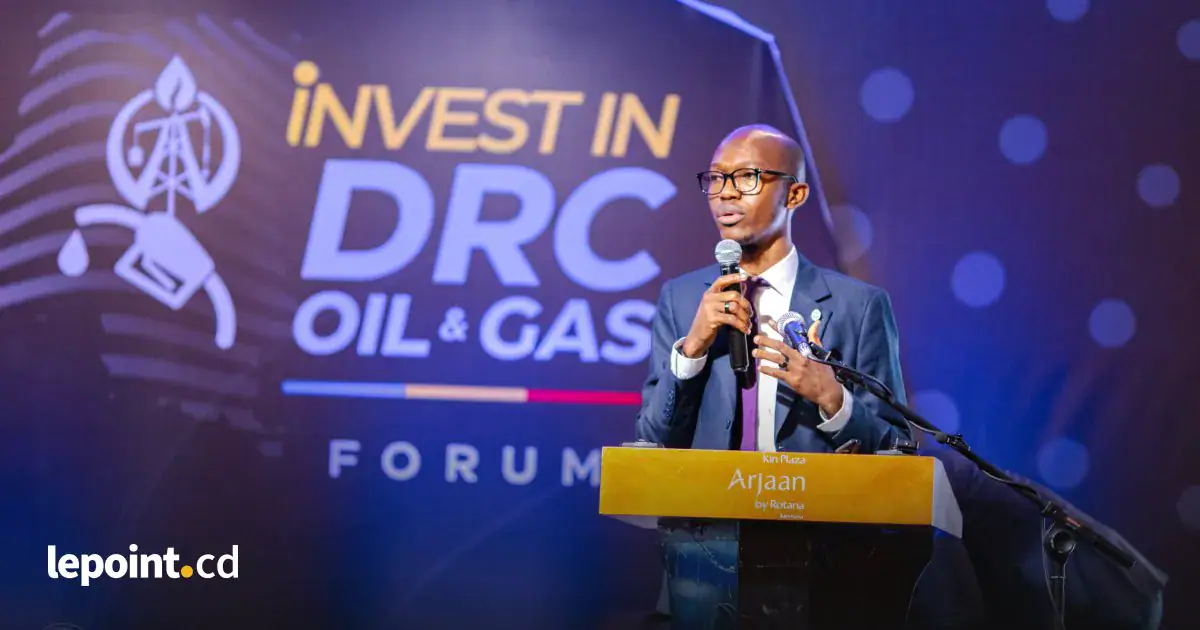
The Agence Maritime Internationale du Congo (AMICONGO) has proposed a 90-day pilot project on the western corridor to measure vessel turnaround times, immobilization costs, stock coverage, and operational incidents. This initiative was presented at the Invest in DRC Oil & Gas 2026 forum in Kinshasa by AMICONGO's Managing Director, Dieudonné Tshibangu. The project aims to identify areas for improvement in the logistics of oil products, which are crucial for the country's energy supply.
The Democratic Republic of Congo relies entirely on imports for its oil products, making efficient logistics critical. Tshibangu emphasized the need for streamlined processes, including anticipatory customs clearance, to reduce vessel turnaround times and associated costs. He also called for better coordination among stakeholders, including shipping companies, terminals, customs authorities, and distributors. This coordination would facilitate digital tracking of vessels, cargoes, and stocks, enhancing supply chain transparency and efficiency.
AMICONGO, as the state-designated maritime agent for crude oil and petroleum products, has significant experience in the sector. Since 2012, the company has handled over 110 million barrels of crude oil at the Muanda terminal, with an average of approximately 760,000 barrels per operation. This volume aligns with the country's national crude oil production, estimated to be between 8 and 10 million barrels per year, according to a study by the Center on International Cooperation at New York University.
The study also noted that the Socir refinery in Muanda is currently not operational for refining and primarily serves as a transit point for imported products. To address the country's needs, AMICONGO's pilot project aims to enhance the efficiency and cost-effectiveness of oil product transportation and storage. This, in turn, will help ensure a stable supply of petroleum products to the market.
One of the key challenges in the current system is the occurrence of "surestaries," or penalties paid when vessels are detained for longer than expected. Tshibangu argued that reducing these delays and associated costs is crucial for improving the overall logistics of oil products in the country. By implementing a digital tracking system and improving coordination among stakeholders, AMICONGO believes it can significantly mitigate these issues.
The proposed pilot project will focus on measuring key performance indicators such as vessel turnaround times, immobilization costs, and stock coverage. By gathering this data, AMICONGO aims to identify bottlenecks in the current system and develop targeted solutions to address them. This approach is expected to lead to more efficient and cost-effective logistics for oil products, ultimately benefiting the country's economy and energy security.
The Invest in DRC Oil & Gas 2026 forum, organized by La Revue des Hydrocarbures, brought together industry stakeholders to discuss opportunities and challenges in the sector. AMICONGO's proposal for a 90-day pilot project on the western corridor aligns with the forum's objectives of promoting investment and improving the business environment in the oil and gas industry. The project's success could have a positive impact on the country's energy supply and economy.
Key points
- The pilot project aims to measure and optimize key logistics parameters, including vessel turnaround times and immobilization costs.
- AMICONGO has handled over 110 million barrels of crude oil at the Muanda terminal since 2012.
- The project seeks to improve coordination among stakeholders and implement digital tracking of vessels, cargoes, and stocks.