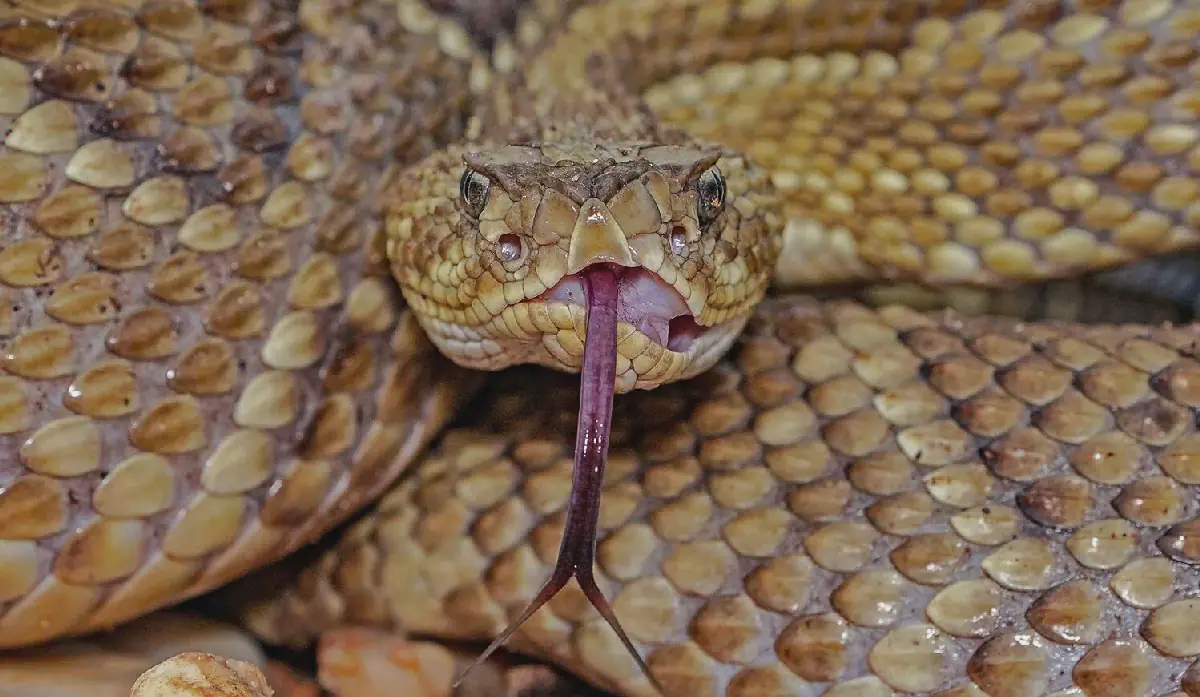
A western diamondback rattlesnake, native to the southwestern United States and northern Mexico, was discovered in Secunda, Mpumalanga. The species, known for its triangular head and diamond-shaped markings, was found by local snake handler Hein Alberts. A video of the incident, shared on Facebook by Boland Snake Removals 24/7, has gone viral with nearly 1,900 views. The snake was carefully secured and placed in a container.
The discovery has raised questions about how a non-indigenous venomous snake came to be in the area. Eduanne Niemand, snake catcher and founder of Boland Snake Removals 24/7, expressed concerns about the risks associated with exotic reptiles. Niemand warned that if a snake escapes from a breeding facility, it could lead to a significant problem, including overpopulation and potential outbreaks.
The western diamondback rattlesnake is highly venomous and can defend itself aggressively when threatened. Its bite can cause severe pain, swelling, and tissue damage, as well as complications affecting blood clotting and the kidneys. According to Encyclopaedia Britannica, the species can grow up to 2.1 meters in length, although most specimens measure between 1.2m and 1.8m.
A significant concern is the treatment challenge posed by the snake's venom, as the required antivenom is not routinely available locally. The African Snakebite Institute has warned that exotic snakes, including highly venomous species, can be kept in private collections in some South African provinces without permits. This has raised concerns about gaps in the regulation of non-indigenous reptiles.
The institute has highlighted the potential dangers of exotic snakes, including the introduction of parasites or diseases that affect indigenous wildlife. Escaped breeding pairs or gravid females could also potentially establish populations and compete with local species. However, there is no evidence of exotic snakes establishing themselves in South Africa on a significant scale.
The most immediate concern is the danger to people if a venomous exotic snake escapes and bites someone. Obtaining antivenom for exotic snakebites can be extremely difficult and expensive, with estimates suggesting that antivenom for a single rattlesnake bite could cost more than R400,000. Without the appropriate antivenom, treatment may have to focus on managing symptoms and complications.
The African Snakebite Institute advises snake removers to treat unfamiliar exotic snakes as potentially dangerous and use safe handling procedures. Such animals should be handed over to an appropriate zoo or snake park, rather than being released into the wild. It remains unclear how the rattlesnake came to be in Secunda or whether it had been kept in captivity.
Key points
- Exotic snakes pose a potential danger to people and indigenous wildlife.
- The treatment challenge posed by exotic snakebites is significant due to the unavailability of antivenom.
- Gaps in the regulation of non-indigenous reptiles have raised concerns about public safety.