The American public's perception of Moroccan King Mohammed V changed significantly after his return from exile in 1955. According to Cecil Maguire, an American publisher and writer, the king's image was widely circulated in US media, portraying him as a monarch who had returned to his throne and a prominent figure in North Africa. This coverage helped raise awareness about the Moroccan cause among the American public.
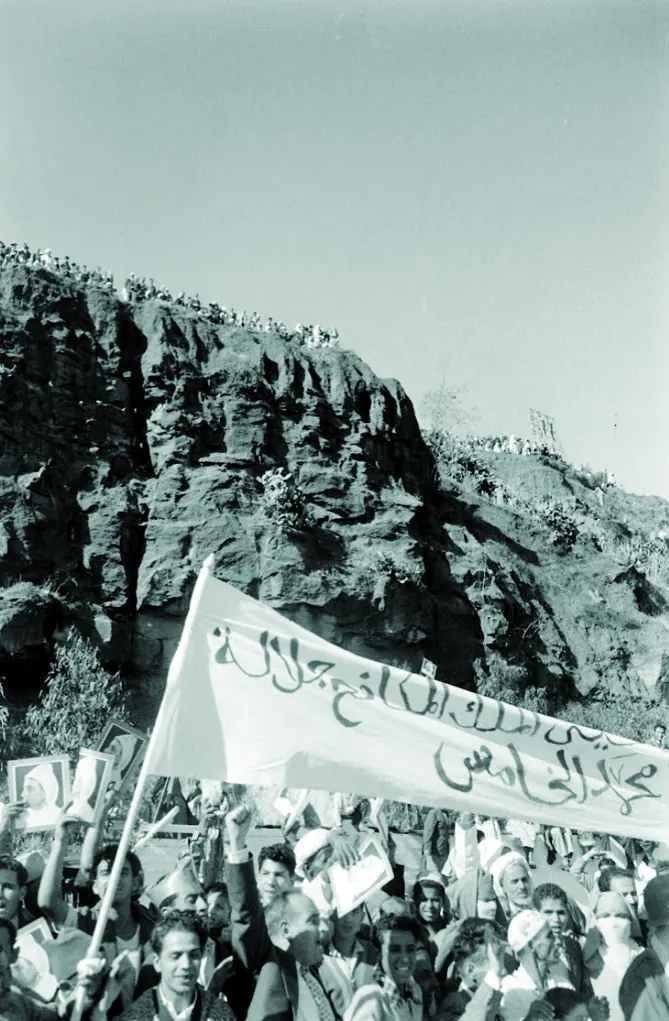
The US media coverage of Mohammed V's return was led by Life magazine, which published photographs taken by Thomas McAvoy. These images captured the king's return to Rabat on November 16, 1955, and showed the enthusiastic reception he received from the Moroccan people. The coverage was significant, as it marked the first time the US media had reported on the Moroccan issue without prior French oversight.
The photographs taken by Thomas McAvoy had a profound impact on the American public's perception of Mohammed V. At the time, Life, Time, and other newspapers and magazines dominated the media landscape, and television had not yet become a major force. McAvoy's images humanized the king and conveyed the emotions of the Moroccan people, helping to build a positive image of Mohammed V in the US.
Mohammed V's visit to the United States in 1957 further solidified his popularity among Americans. The king was featured on the cover of Time magazine multiple times, and his image was widely circulated in the US media. According to Cecil Maguire, the king's visit was a testament to the American public's familiarity with and admiration for Mohammed V.
The coverage of Mohammed V's return to Morocco also marked a shift in the way the US media reported on the region. The term "French Morocco" was no longer used after November 1955, reflecting the changing dynamics of the region. The US media's reporting on the Moroccan issue helped raise awareness about the country's struggle for independence.
Thomas McAvoy's photographs were instrumental in shaping the American public's perception of Mohammed V and the Moroccan cause. His images were able to convey the emotions and sentiments of the Moroccan people, helping to build a positive image of the king in the US. McAvoy's work was widely praised for its ability to capture the essence of the Moroccan people and their struggle for independence.
The legacy of Mohammed V's popularity in the US continues to be felt today. The king's image remains an important part of Moroccan history and culture, and his visit to the US in 1957 marked a significant moment in the country's relations with the West. The coverage of his return to Morocco in 1955 helped raise awareness about the country's struggle for independence and cemented his place as a prominent figure in North Africa.
Key points
- The US media coverage of Mohammed V's return to Morocco in 1955 helped raise awareness about the Moroccan cause among the American public.
- Thomas McAvoy's photographs played a significant role in shaping the American public's perception of Mohammed V and the Moroccan cause.
- Mohammed V's visit to the US in 1957 solidified his popularity among Americans and marked a significant moment in the country's relations with the West.