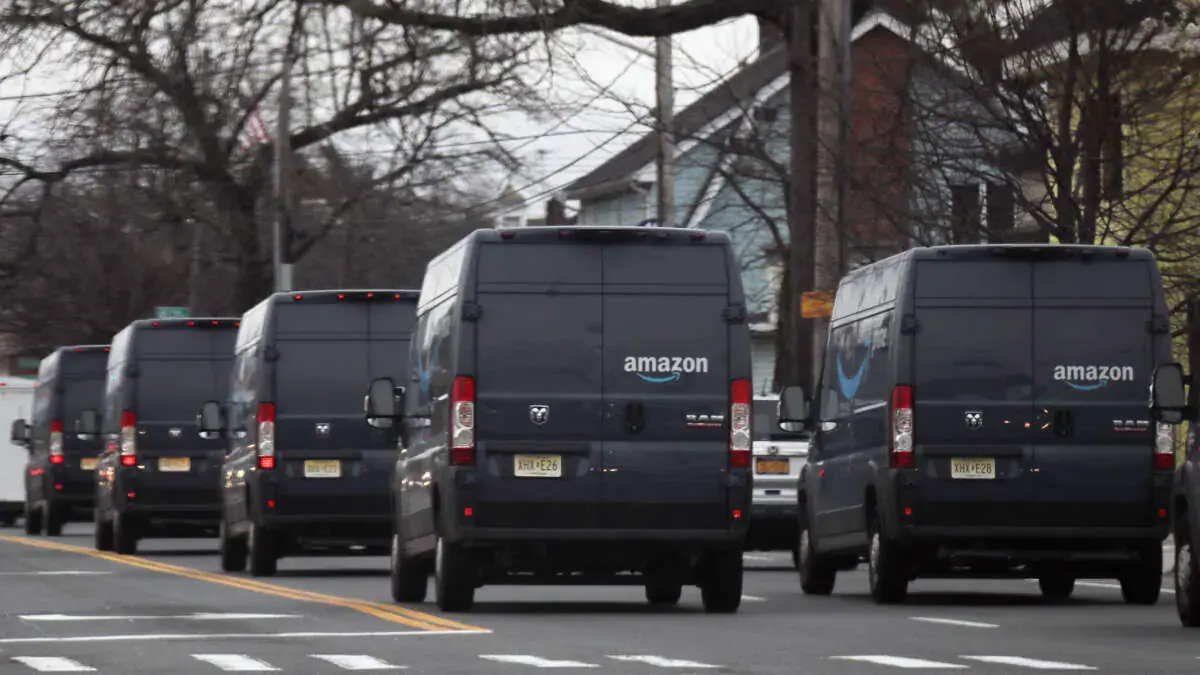
Amazon's logistics network is renowned for its efficiency, with over 2 million employees and contractors worldwide. In 2025, the company delivered 13 billion items on the same day or the next, with 8 billion of those deliveries made in the United States. This remarkable feat is made possible by a complex system of supply chain management and a large workforce. However, this efficiency comes at a cost, with drivers facing intense surveillance and pressure to meet demanding targets.
Amazon's warehouses are notorious for their strict productivity standards, with managers constantly monitoring workers' rates of arrival, picking, and packing. Those who fail to meet expectations face disciplinary action. The company uses a sophisticated system of labor discipline based on AI, which gamifies work and encourages competition among employees. Drivers are also subject to surveillance through cameras and sensors, which track their every move, including their speed, acceleration, and braking.
The surveillance system is particularly intense for drivers making the final leg of delivery, known as the "last mile." These drivers, who work for Amazon's partners rather than the company itself, are subject to a range of rules and regulations. They use an app called Amazon Flex, which provides a detailed itinerary for the day and tracks their progress. The app also uses facial recognition technology to verify drivers' identities.
One of the key tools used to monitor drivers is the Netradyne Driver•i camera system, which is mounted on the dashboard of their vans. This system uses multiple cameras to track drivers' behavior, including their eye movements, yawning, and distractions while driving. The system is designed to detect cases of "distracted driving," which are considered serious infractions. Drivers who fail to meet Amazon's standards risk facing disciplinary action, including termination.
A driver who worked for Amazon's delivery service for two years described the intense pressure and surveillance they faced. The driver, who worked as a part-time contractor, said that they were constantly monitored through the Amazon Flex app and evaluated by AI programs. Their every move was tracked, including their speed, acceleration, and braking. The driver also reported that supervisors could monitor their progress at any time, adding to the sense of pressure and stress.
The system has led to reports of abuse and mistreatment of drivers, particularly those working for smaller delivery companies. Drivers have reported being subjected to intense pressure to meet targets, with some supervisors using threatening language to enforce compliance. In some cases, drivers have been forced to continue working despite medical emergencies or other personal crises.
The use of AI-powered surveillance and monitoring systems raises concerns about worker rights and safety. While Amazon's system is designed to improve efficiency and productivity, it also creates a culture of fear and intimidation among drivers. As the company continues to expand its delivery network, it remains to be seen how it will address these concerns and balance its need for efficiency with its responsibility to protect its workers.
Key points
- Amazon's delivery drivers face intense surveillance and pressure to meet demanding targets.
- The company's use of AI-powered monitoring systems has raised concerns about worker rights and safety.
- Drivers who fail to meet Amazon's standards risk facing disciplinary action, including termination.