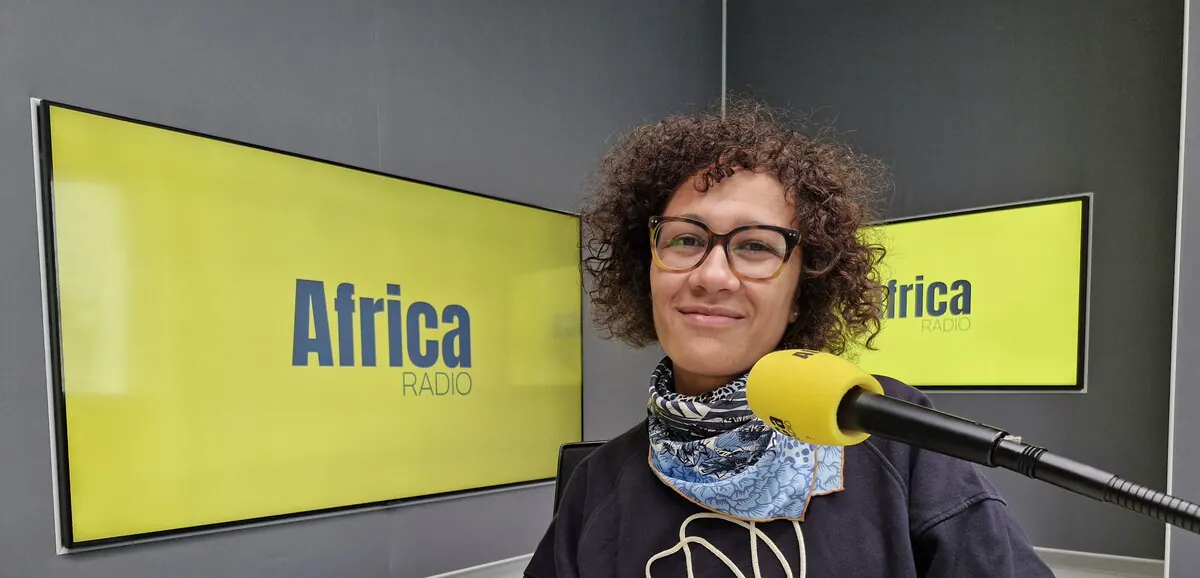
The MansA Maison des Mondes Africains in Paris is hosting an exhibition titled "Amílcar Cabral: Pour un humanisme radical" (For a Radical Humanism) from October 16 to December 13. The exhibition, co-curated by Armelle Dakouo and Ângela Benoliel Coutinho, explores the life and legacy of Amílcar Cabral, a major figure in the anti-colonial struggles of Guinea-Bissau and Cape Verde. Cabral's ideas on culture, power, and freedom remain relevant today.
Amílcar Cabral was a revolutionary, agronomist, humanist, and pan-Africanist who played a significant role in shaping Africa's liberation movements. Despite his importance, Cabral's name is less well-known to the general public compared to other prominent African leaders such as Patrice Lumumba and Thomas Sankara. According to Armelle Dakouo, this lack of recognition can be attributed to the language barrier, as Cabral was a key figure in the Lusophone world.
The exhibition highlights Cabral's conviction that political liberation cannot be sustainable without cultural reappropriation. Dakouo explains that Cabral's humanism is radical because it places the human being at the center of the struggle, in relation to their culture, land, and equality between men and women. The exhibition showcases works by contemporary artists, including Nú Barreto, Diogo Bento, and Filipa César, who have been inspired by Cabral's ideas.
The exhibition features a range of artistic works that reflect on Cabral's legacy and its relevance to contemporary debates on identity, inequality, and the environment. The artworks on display include films, photographs, and installations that explore the intersection of culture, power, and freedom. One of the key pieces is a film by Sarah Maldoror, a pioneer of engaged cinema who was close to African liberation movements.
A key aspect of the exhibition is the exploration of the difference between political independence and real emancipation. Dakouo notes that Cabral emphasized that independence is one thing, but freedom is another. This distinction remains relevant today, more than fifty years after Cabral's assassination. The exhibition invites visitors to reflect on the complex relationships between culture, power, and freedom.
The exhibition has been organized in collaboration with various artists and curators who have worked together to create a unique and thought-provoking display. The event is part of a broader effort to promote cultural exchange and understanding between Africa and Europe. MansA Maison des Mondes Africains is a key cultural institution in Paris that promotes African art and culture.
The exhibition "Amílcar Cabral: Pour un humanisme radical" offers a timely reflection on the legacy of a key African leader and its relevance to contemporary debates on culture, power, and freedom. The event provides a unique opportunity for visitors to engage with the ideas and legacy of Amílcar Cabral and to explore the complex relationships between culture, power, and freedom.
Key points
- The exhibition highlights the importance of cultural reappropriation in achieving sustainable liberation.
- Amílcar Cabral's ideas on culture, power, and freedom remain relevant today.
- The exhibition features works by contemporary artists who have been inspired by Cabral's ideas.