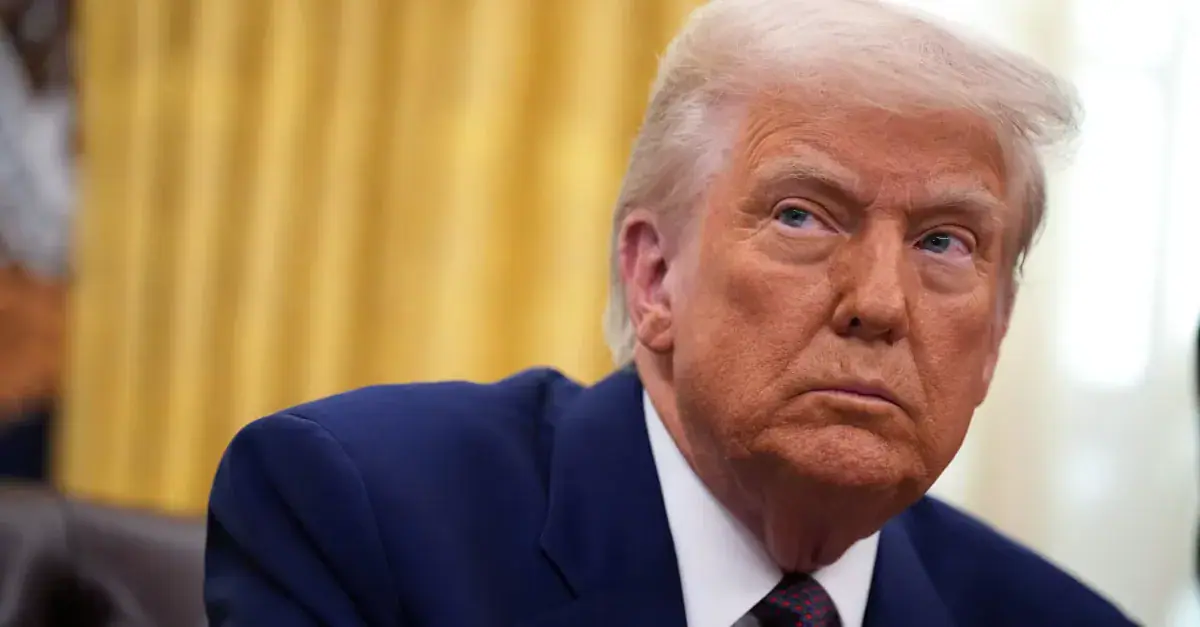
The international community is looking to the US Congress to provide a counterbalance to President Donald Trump's foreign policy decisions. At the Halifax International Security Forum in Canada, allies expressed concerns about the concentration of executive power in Trump's hands, with some describing the situation as alarming. They urged the incoming Democratic-controlled Congress to take a stronger stance in checking Trump's actions. This appeal was made directly to Senator Andy Kim, who was part of a bipartisan delegation tasked with reassuring international partners.
The frustration among allies stems from two years of Trump's presidency, during which they saw significant policy shifts, including sanctions relief for adversaries and military strikes in at least seven countries. These actions were taken without substantial legislative oversight or pushback from Congress. Foreign officials, speaking to The Washington Post, expressed a cautious optimism that the new Congress will help restore balance. However, doubts linger about the effectiveness of this approach, particularly given Trump's history of challenging laws passed by Congress.
In response to these concerns, Democratic lawmakers have pledged to take a firmer stance on US foreign policy. Senator Chris Coons, who will chair the Senate Foreign Relations Committee, indicated that while there are limits to their actions, the next phase will differ from the past. This commitment was echoed by Senator Tim Kaine, who emphasized the importance of voicing American values in alliances more clearly and forcefully. The goal is to ensure accountability and push back against Trump's executive actions.
On specific policy fronts, US lawmakers are negotiating a deal that could scale back military involvement in certain regions in exchange for Defense Department funding. This comes as the Trump administration had sought $1.5 trillion in funding. Discussions also touched on halting US military operations against drug traffickers in Latin America and increasing support for Ukraine, which faced a freeze in US security assistance earlier this year. These issues are seen as early tests of the new Congress's resolve.
The situation with Ukraine and other allies has raised questions about the reliability of US commitments. European officials are pressing for greater support, especially after the recent freeze on US security aid to Ukraine. Similarly, Taiwan's Deputy Foreign Minister, Ming-chi Chen, sought clarification on a stalled $14 billion arms deal, reflecting broader concerns about the durability of US support for the island in the face of Trump's overtures to China.
Democratic lawmakers have suggested they might pass legislation to bolster support for Taiwan and Ukraine, potentially as part of a broader package that includes Trump's priorities. This strategy could help ensure that any new commitments are more durable and less susceptible to being rolled back by executive action. The willingness of Democrats to take a more assertive stance on foreign policy could signal a shift in the balance between the legislative and executive branches.
The coming months will be crucial in determining the extent to which Congress can influence US foreign policy under Trump. With a new Congress set to take office in January, there is a sense that this could be a turning point in how the US engages with its allies and adversaries. The outcome will depend on the dynamics between the Democratic-led Congress and the Trump administration, as well as the willingness of lawmakers to challenge the president on key issues.
Key points
- US allies are urging Congress to take a stronger stance in checking President Trump's foreign policy decisions.
- Democratic lawmakers have pledged to voice American values in alliances more clearly and forcefully.
- The new Congress faces early tests on issues like support for Ukraine and Taiwan, and military funding.
Reporting sources
- الديمقراطيون يتعهدون بكبح سياسة ترامب الخارجية.. والحلفاء يترقبون · Al-Qahera News